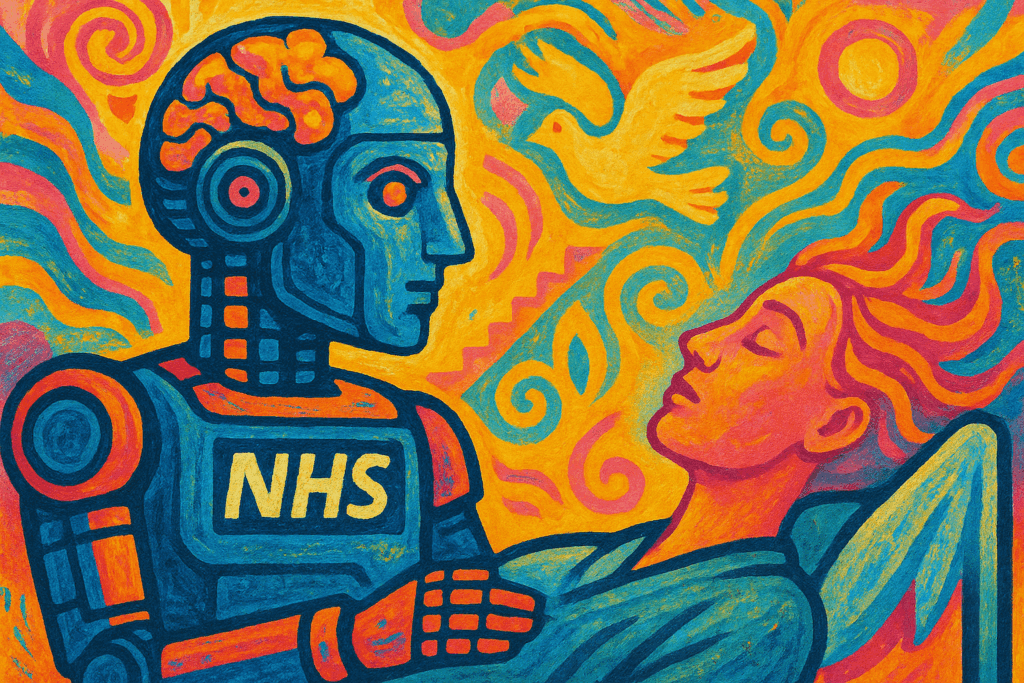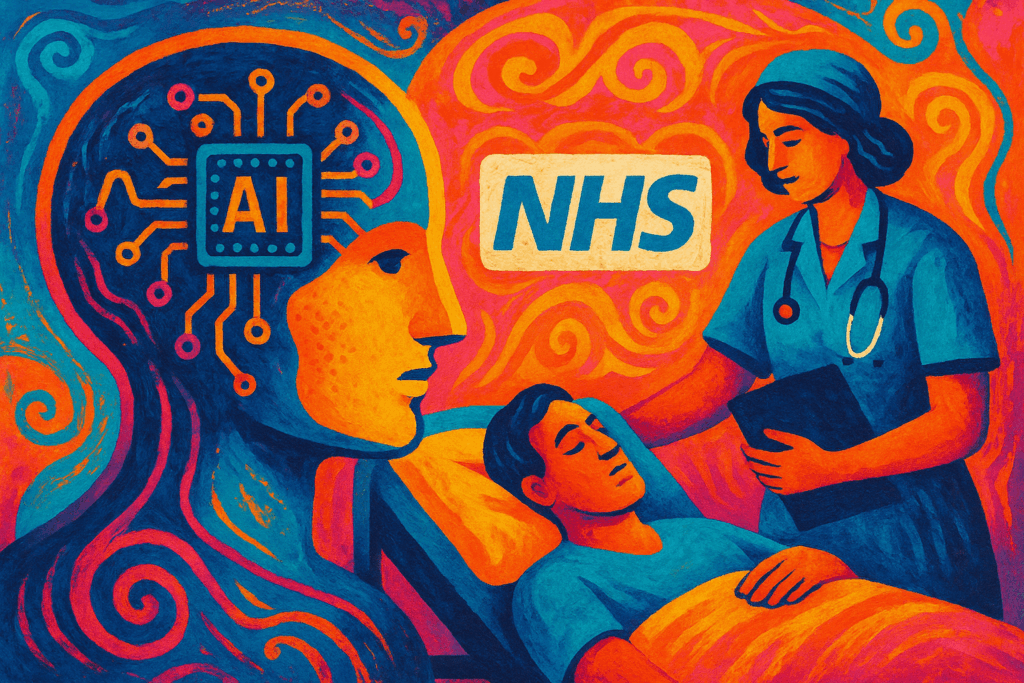
Artificial intelligence is shifting medicine from one-size-fits-all protocols to care tuned to individual biology, lifestyle, and preferences. Clinicians and researchers are applying algorithms to convert complex datasets into treatment plans that aim to improve outcomes and reduce trial-and-error.
AI Reshapes Personalized Medicine
AI systems can process large, varied data types—genomes, imaging, electronic health records, wearable signals—to reveal patterns human clinicians may miss. That capability is helping clinicians predict risk, select therapies, and monitor response in a more targeted way.
Unlocking Genetic Insights
Machine learning models analyze sequencing data to identify disease-associated variants, predict pathogenicity, and refine polygenic risk scores. That information supports targeted therapies, matched clinical trials, and earlier intervention for patients with inherited conditions. Federated learning approaches help protect privacy while pooling genomic knowledge across institutions.
Accelerating Drug Discovery
AI speeds up candidate identification by predicting how molecules interact with targets, prioritizing compounds for lab testing, and suggesting drug repurposing opportunities. Generative models and virtual screening reduce the number of compounds needed for experimental validation, shortening development timelines and lowering early-stage costs.
Precision Diagnostics and Therapies
In imaging and pathology, deep learning improves detection of subtle features and quantifies biomarkers that inform therapy choice. Clinical decision support tools integrate genetic and clinical data to recommend dosing, anticipate adverse reactions, and personalize treatment schedules. Remote monitoring feeds real-time data into adaptive care plans.
The Future of Tailored Healthcare
Wider adoption depends on high-quality data, transparent algorithms, and regulatory frameworks that support clinical validation. Key priorities include reducing bias, standardizing metrics, and demonstrating improved patient outcomes in trials. As infrastructure matures, AI-driven personalization could make care more predictive, proactive, and patient-centered. HealthAIInsiders will follow developments as companies, regulators, and clinicians collaborate to bring these tools into routine practice.