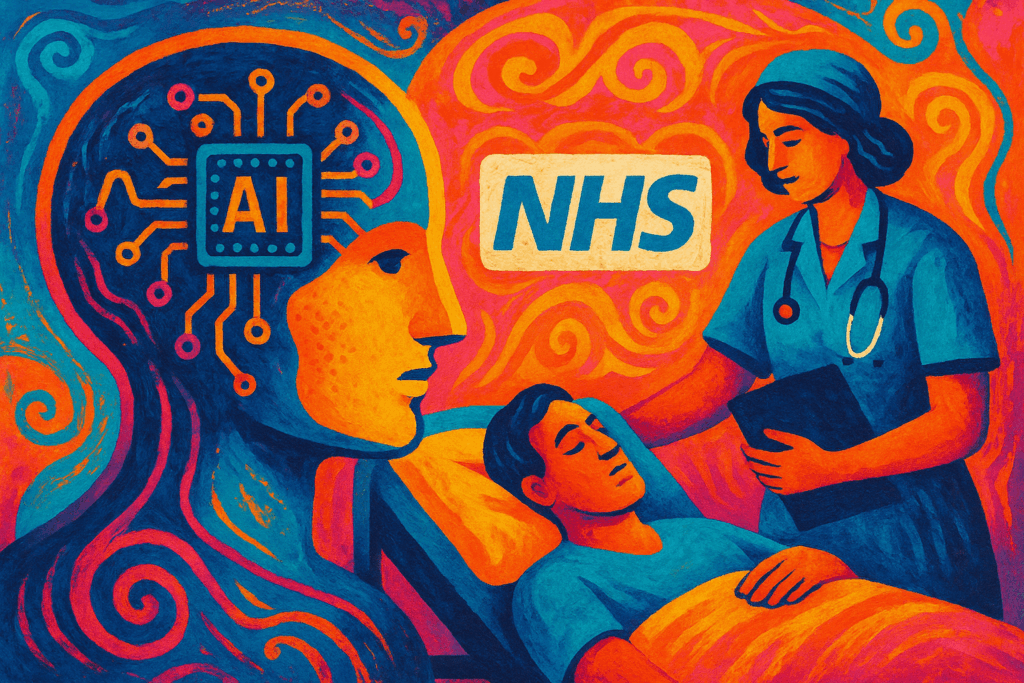

AI’s Legal Landscape in Healthcare
AI tools are being deployed across diagnostics, triage and operational workflows, but regulation has not kept pace. Recent UK work, including the National Commission into the Regulation of AI in Healthcare’s 119-page blueprint and the Jurisdiction Task Force legal statement on liability for AI harms, highlights a policy gap that affects patient safety, procurement and innovation.
The Core Challenge: Allocating Liability for AI Harm
Traditional liability models rely on identifiable human actors and contracts. Autonomous AI systems complicate that approach: errors may stem from data bias, model drift, integration failures, or clinician misuse. Assigning fault to a single party is often impractical when multiple actors share responsibility.
Public vs. Private Healthcare: A Jurisdictional Divide
In private care, patient-provider contracts and clinical negligence frameworks offer a clearer route to compensation. In public systems like the NHS, there is frequently no direct contract between patient and provider. That weakens contractual remedies and makes common-law negligence claims harder to pursue. Procurement agreements, manufacturer warranties and statutory duties become more important, but they do not always provide straightforward redress.
Blueprinting the Future of AI Accountability
The National Commission’s blueprint and related legal analyses propose a mix of measures: clearer allocation of legal responsibility, mandatory device certification, incident reporting requirements, data governance standards, insurer engagement and exploration of no-fault compensation schemes. The aim is to create predictable pathways for liability that protect patients while keeping innovation viable.
Implications for Healthcare Innovators and Providers
Providers and developers should treat liability as an operational risk: implement transparent audit trails, robust clinical validation, clear procurement clauses, and suitable insurance arrangements. Engage regulators early, document clinical governance, and consider phased rollouts or regulatory sandboxes to limit exposure. Policymakers will need to blend statutory rules, product liability updates and sector-specific compensation mechanisms to reflect how AI is used in practice.
The UK debate serves as a reminder that legal frameworks must adapt beyond contract law to allocate risk, protect patients and allow beneficial AI to scale safely.