ByteDance’s Anew Labs Secures Landmark Funding for AI Drug Discovery
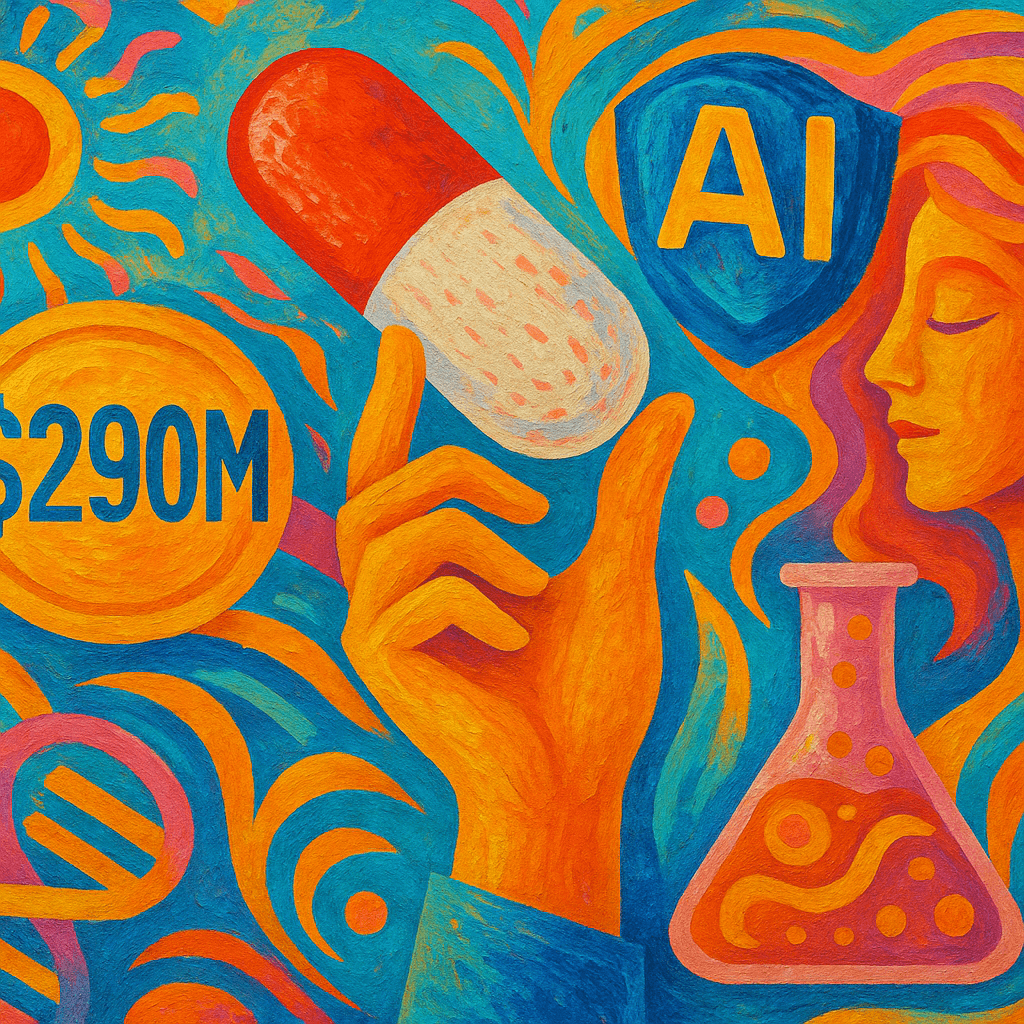
ByteDance-backed Anew Labs has closed a $290 million Series A round at a $1.5 billion valuation, positioning the company as one of the most heavily funded AI-native drug discovery startups. The round attracted a slate of institutional investors including HSG, IDG Capital, Hillhouse Investment, 5Y Capital, Gaorong Ventures, Primavera Venture Partners, Boyu Capital, SBP Group, and the Shanghai Future Industries Fund. Anew was spun out from ByteDance to operate as an independent biotech unit while retaining ties to its parent for tech and talent collaboration.
Pioneering AI Models and Early-Stage Candidates
Anew Labs builds structure-prediction and protein-design models to generate therapeutic candidates faster than traditional discovery pipelines. Two flagship platforms, Protenix and PXDesign, focus on predicting protein structures and designing optimized sequences for binding and stability. The company reports multiple early-stage drug candidates in preclinical development, driven by computational candidate generation, in silico filtering, and experimental validation workflows. By integrating advanced ML models with lab automation, Anew aims to shorten the cycle from target hypothesis to lead molecules.
Strategic Spin-Off Signals Industry Evolution
The spin-off reflects a broader pattern: large tech companies are carving out specialized life sciences units to attract dedicated capital and pharma partnerships while isolating regulatory risk. For investors, the size of this Series A signals growing confidence in AI-first discovery platforms, especially in China where capital and talent pools are expanding rapidly. Expect increased competition for top models and datasets, more pharma collaboration deals, and heightened M&A interest as incumbents seek to add generative design capabilities.
What to watch next: validation of Protenix and PXDesign through published biochemical and in vivo data, partnerships or licensing deals with established pharma, and progression of the preclinical portfolio into candidate selection. This financing milestone underscores that AI-driven discovery has moved from experimental promise to institutional backing at scale.