AI’s Latest Breakthrough in Precision Medicine
A Glimpse into the Core Innovation
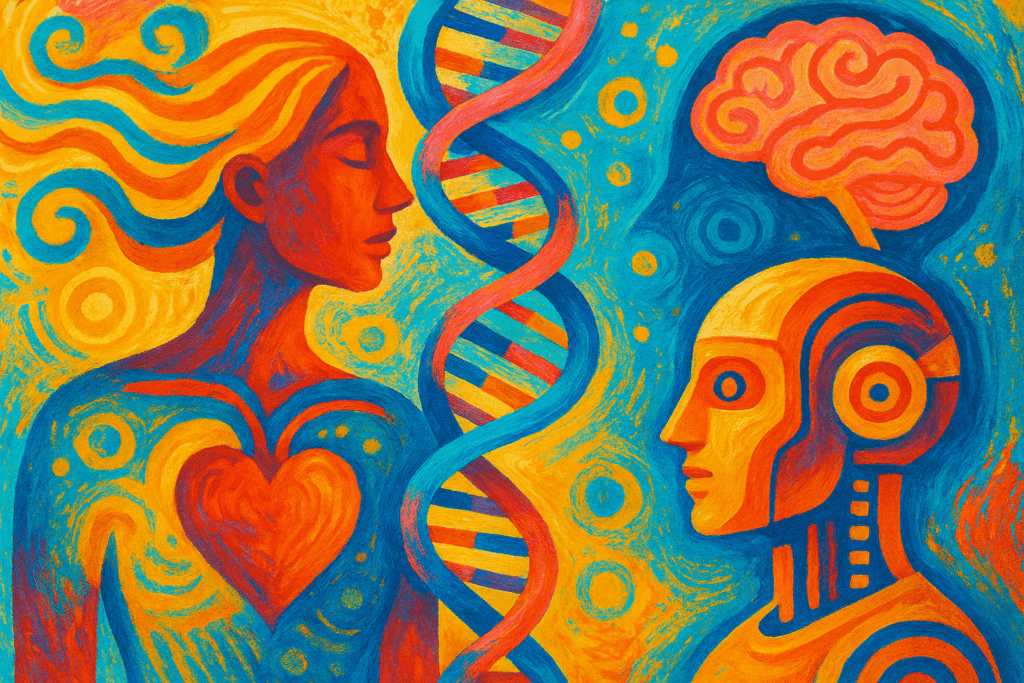
Researchers and startups are applying large foundation models to combined genomic, proteomic, electronic health record, and imaging datasets. These multimodal models learn biological patterns across data types, enabling higher-confidence predictions of protein structure, molecular binding, and patient phenotypes. The approach builds on advances in protein modeling and generative chemistry to propose candidate molecules and prioritize targets with fewer wet-lab cycles.
Transforming Patient Outcomes
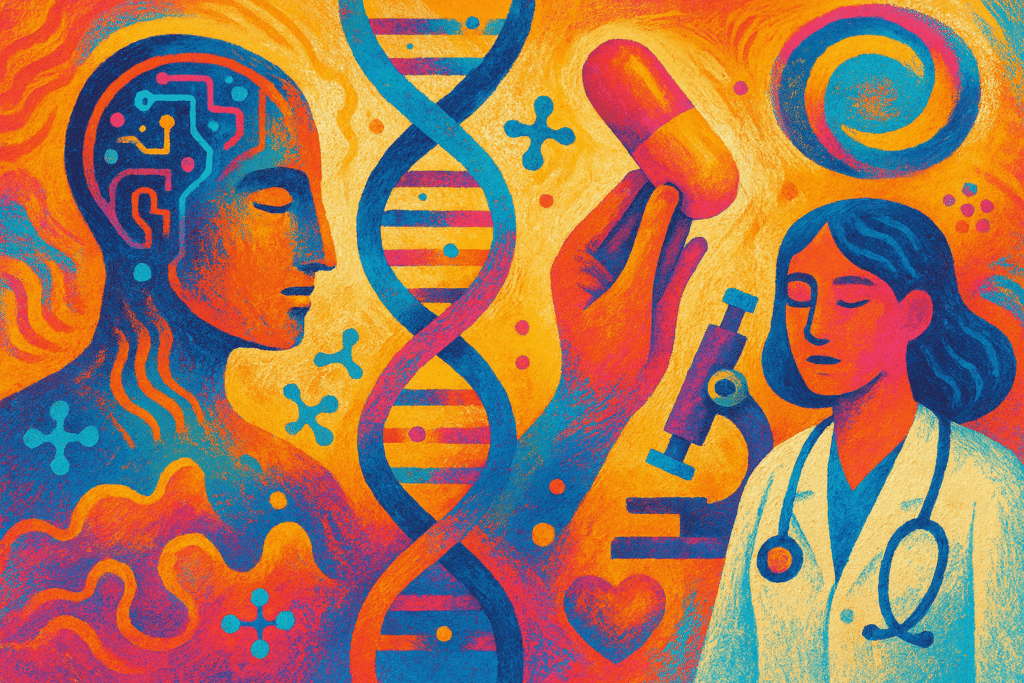
Early deployments show tangible effects across diagnostics and drug discovery. Multimodal AI can shorten the time from target hypothesis to validated leads by prioritizing promising candidates and flagging safety signals sooner. In diagnostics, models that integrate imaging with genomic signatures raise diagnostic precision for rare and complex conditions, accelerating appropriate treatment. Trial teams report faster patient matching through AI-driven phenotyping, improving enrollment and reducing trial delays. Overall, these shifts shorten development timelines and increase the likelihood that therapies reach the right patients earlier.
The Path Ahead
Integration into clinical and regulatory pathways remains the next hurdle. Prospective clinical validation, transparent model reporting, and robust data governance are necessary before widespread clinical adoption. Equity must be addressed through diverse training datasets and evaluation across populations. Operational investments in compute and data pipelines will determine which organizations can scale new AI paradigms into routine drug development and care delivery.
For stakeholders across biotech and health systems, the opportunity is twofold: use foundation models to accelerate discovery and build the oversight that keeps patient safety and fairness central. As models mature and prospective results accumulate, expect a stepwise redefinition of how therapies are discovered, validated, and matched to patients.