A recent pilot at Chelsea and Westminster Hospital demonstrated how bedside artificial intelligence can accelerate diagnosis of deep vein thrombosis and speed clinical decisions. Using ThinkSono’s AI-guided handheld ultrasound, clinicians reached decisions in under 30 minutes and saw marked reductions in patient wait times.
Pilot Outcomes: Rapid Decisions, Improved Patient Pathways
The pilot delivered measurable results: clinical decisions were made in less than 30 minutes on average; 80% of patients were discharged after the first scan; and average time to diagnosis fell from 19 hours to 9 hours. These gains reduced pressure on radiology services and limited unnecessary admissions, improving throughput in emergency and acute care settings.
How the Technology Works
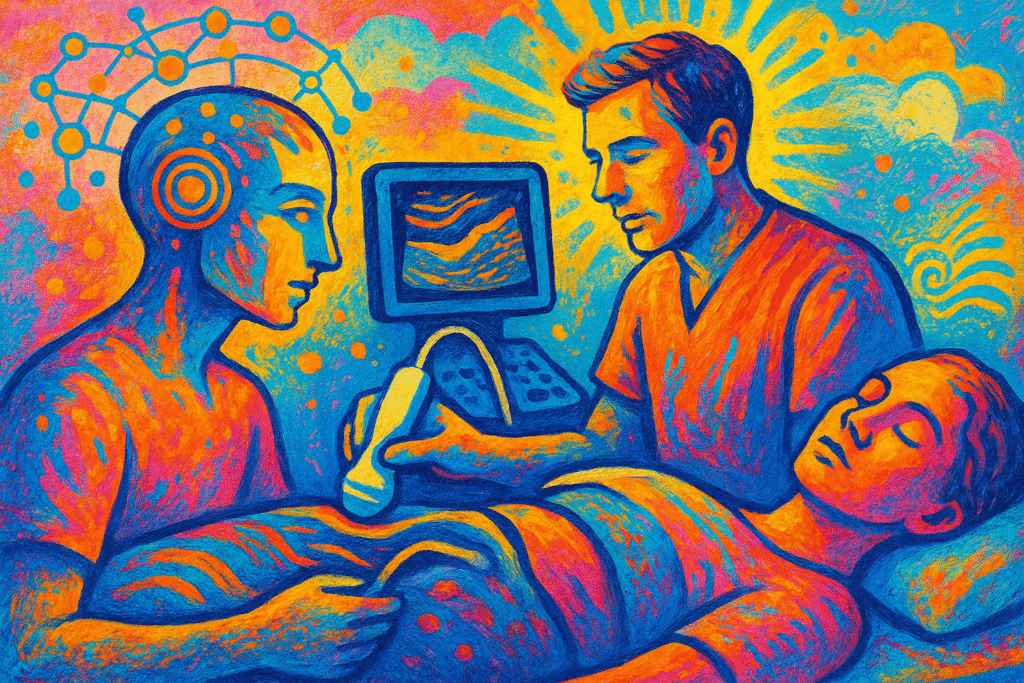
ThinkSono provides an AI-powered handheld ultrasound that guides non-specialist clinicians through a focused compression ultrasound exam at the point of care. The software offers real-time image feedback, highlights areas of concern, and supports binary decision-making so clinicians can rule out DVT or escalate for definitive imaging. That workflow reduces immediate reliance on sonographer-led scans and gets results to patients faster.
Addressing a Pressing Healthcare Need
DVT can lead to life-threatening pulmonary embolism if not identified and treated promptly. Traditional diagnosis often depends on specialist availability and scheduled imaging, creating delays that affect outcomes and bed flow. By putting decision support at the bedside, the AI approach shortens time to treatment or safe discharge, lowering risk and decreasing resource use.
The Future of AI in Diagnostics
This pilot offers a practical template for broader adoption: deploy AI at the bedside to speed common, high-risk evaluations and reserve specialist imaging for ambiguous or complex cases. Wider uptake could increase diagnostic capacity across emergency departments and wards, while freeing imaging teams to focus on complex studies. “Patients left sooner and received faster treatment or reassurance,” said participating clinicians, highlighting direct patient benefit. With appropriate training and governance, similar AI tools could transform other point-of-care diagnostics and improve system efficiency.