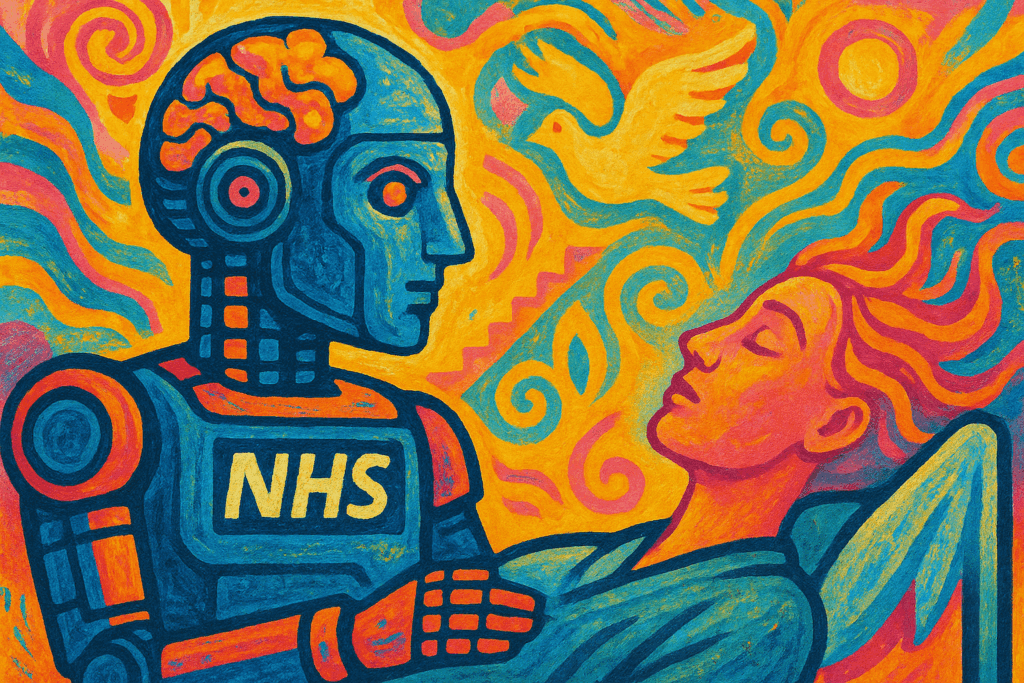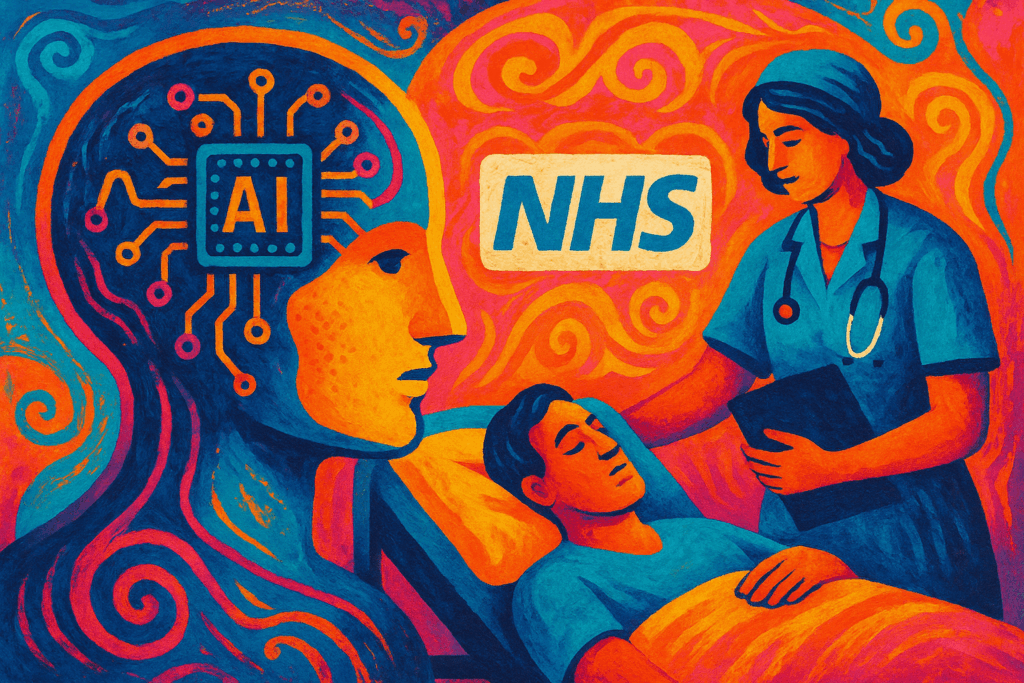

Healthcare’s Growing Data Security Challenge
Medical records, imaging, and genetic data are high value targets for attackers. Rising digitization, telehealth, and connected devices increase exposure. Data breaches can disrupt care, harm patients, and lead to heavy fines under HIPAA and GDPR.
AI as a Defense: Securing Data with Machine Learning
AI systems can detect threats faster than conventional tools by spotting subtle patterns and anomalies in real time. Common applications include
- Anomaly detection for unusual access or data movement.
- Predictive threat detection to identify likely attack paths before exploitation.
- User and entity behavior analytics to flag insider risk and compromised credentials.
- Automated incident response to contain and remediate breaches at scale.
Integrations with SIEM and EDR systems allow AI models to triage alerts and reduce false positives while preserving clinical workflows.
Balancing Innovation and Privacy: A Core AI Task
Applying AI in security must respect patient privacy. Techniques that help include federated learning, homomorphic encryption, and synthetic data generation. These approaches reduce raw data exposure and support compliance with HIPAA and GDPR. Transparency and explainable models are important for audits and for trust among clinicians and patients.
The Future: AI’s Continuous Impact on Medical Security
Challenges remain: model drift, limited labeled attack data, and integration with legacy systems. Practical next steps for health organizations are:
- Deploy anomaly detection and behavior analytics tuned to clinical contexts.
- Use privacy-preserving machine learning to share insights without moving raw records.
- Run regular security audits and red team exercises focused on AI tooling.
- Invest in staff training so clinicians and IT staff recognize risks and alerts.
AI will not remove all risk, but it can reduce breach impact and speed response while supporting regulatory compliance and patient trust.