
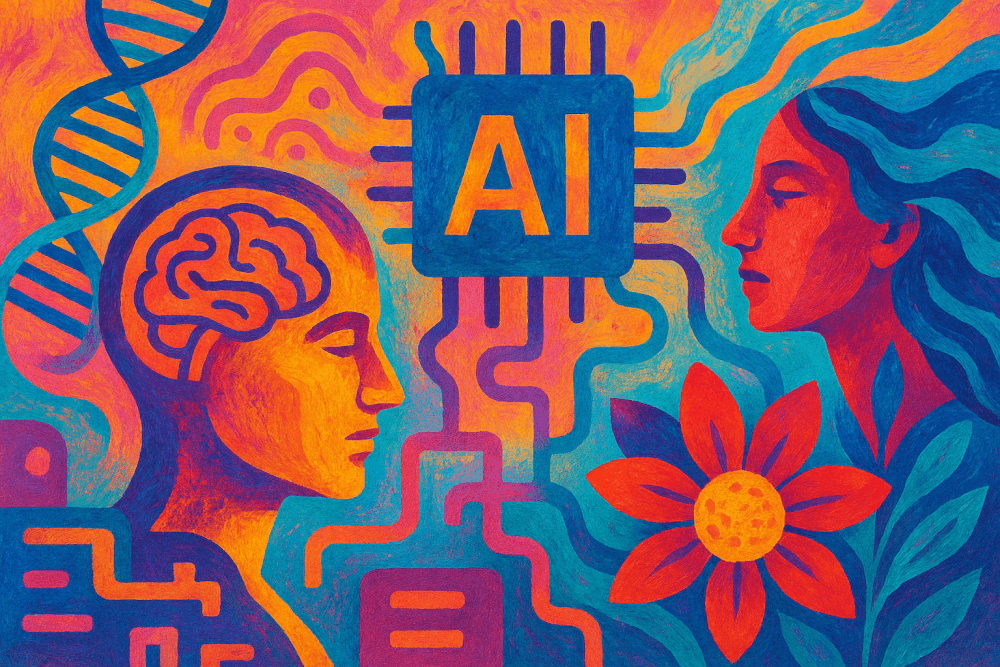
AI and Genomics: A New Frontier in Cancer Drug Discovery
Artificial intelligence applied to genomic data is changing how researchers identify targets for cancer drugs. By analyzing large RNA sequencing datasets and patterns in non-coding RNAs and alternative splicing, AI models can surface targets that traditional approaches may miss. That shift promises faster target nomination and more precise therapeutic strategies.
Accelerating Target Identification with AI
Modern AI systems process high-dimensional genomic signals to link molecular patterns with disease biology. Firms such as Gencurix use platforms like GEN-ENGINE to train models on transcriptomic profiles, focusing on non-coding RNA activity and splice variants that drive tumor behavior. These approaches spot context-specific vulnerabilities across tumor types, generating hypotheses for drug development with greater speed and scale than manual curation.
Strategic Partnerships Powering Innovation
Industry collaborations are critical to scaling computation and model complexity. NVIDIA supplies GPU infrastructure and software support while projects like BioNeMo provide prebuilt models and biological foundations for large-scale training. Combined, these tools let biotech companies iterate on models faster, test more candidate targets, and move promising leads into experimental validation sooner.
The Future of Precision Cancer Treatment
AI-guided genomics could shorten the timeline from discovery to clinical testing by prioritizing targets with stronger mechanistic evidence. For patients this means a future of therapies better matched to the molecular drivers of their tumors and smarter clinical trial design. Challenges remain, including rigorous experimental validation, data governance, and regulatory alignment, but the convergence of AI and genomics is already reshaping how new cancer targets are found.
For clinicians, researchers, and investors, watching how companies combine transcriptomics, splicing analysis, and AI will reveal where the next wave of cancer therapies emerges.