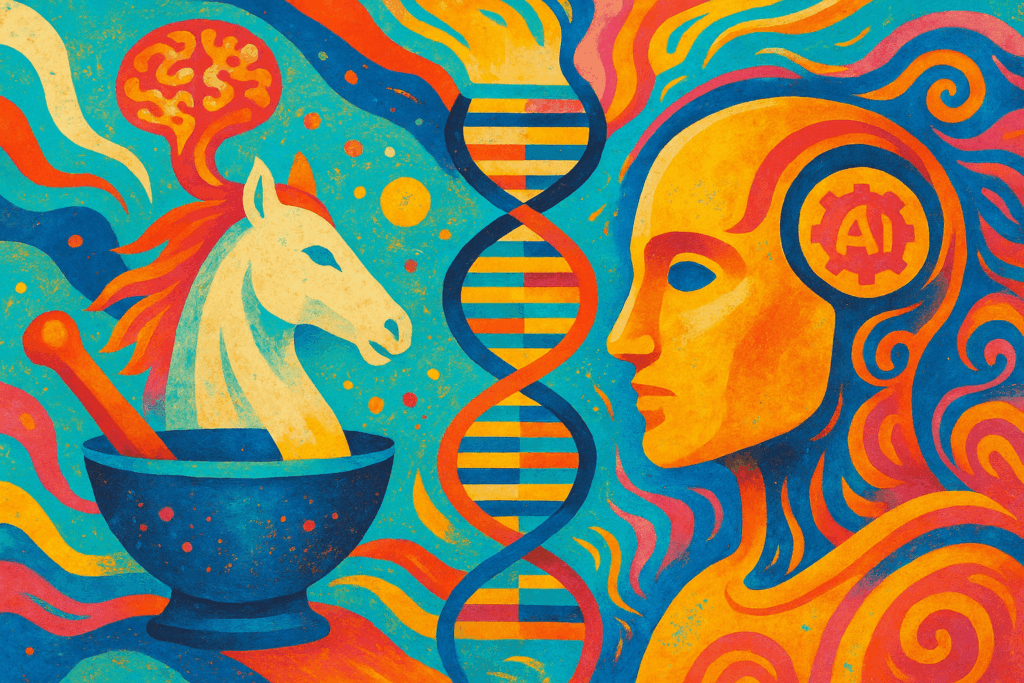

AI Pioneers a New Era in Drug Discovery for Alzheimer’s
Artificial intelligence is increasingly used to identify novel compounds that target mechanisms behind Alzheimer’s disease. In recent industry projects, computational models have rapidly prioritized molecules for laboratory testing, moving potential candidates toward preclinical validation in months rather than years. For clinicians, investors, and researchers, these efforts signal a shift in how early drug discovery is performed.
How AI Pinpoints Promising Compounds
Modern pipelines combine generative models, virtual screening, and predictive pharmacology. Generative algorithms propose new chemical structures optimized for binding to targets such as amyloid or tau proteins. High-throughput in silico screening filters those proposals for predicted potency and druglike properties. Additional models predict absorption, metabolism, and toxicity to reduce costly failures later in development. The result is a smaller, higher-quality set of leads for wet lab validation.
The Impact on Research and Development
AI-driven workflows cut the number of compounds that must be synthesized and tested, lowering early-stage costs. They also make hard-to-drug targets more tractable by revealing unconventional chemistries or binding modes that traditional approaches miss. For Alzheimer’s programs, this can mean faster iteration between computational prediction and biochemical assays, helping teams progress candidates to animal studies sooner.
Looking Ahead: The Road from Lab to Clinic
Computational success does not replace rigorous biology. Leads must pass cellular assays, animal models, and safety studies before human trials. Regulators will expect transparent model documentation and reproducible experimental evidence. Collaborative efforts that pair AI teams with experienced pharmacologists will be key to translating computational promise into clinical outcomes.
The Future of AI in Medicine
AI is becoming a standard tool across therapeutic areas, offering speed and new creative routes to molecules. With careful validation and interdisciplinary collaboration, these technologies can help bring more precise treatments to patients with neurodegenerative disease.