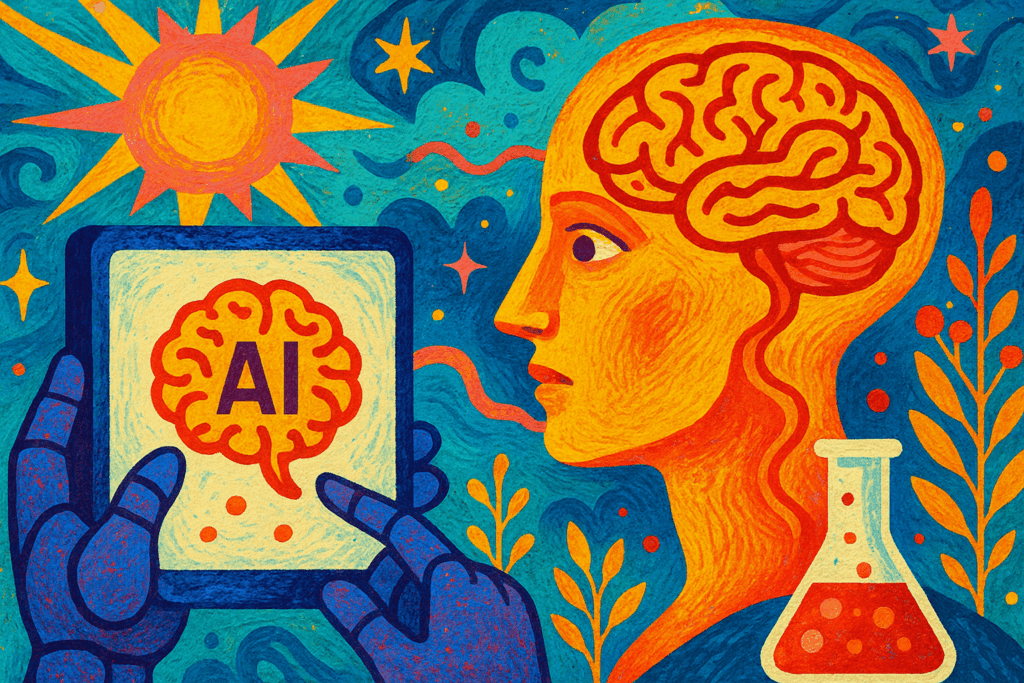

Agentic AI: Revolutionizing Diagnosis and Care for Neurodegenerative Diseases
Health systems face a rising burden of Alzheimer’s and related dementias while specialist capacity lags behind demand. Agentic AI, built on large language models and multimodal inputs, offers a way to extend specialist knowledge into routine clinical settings, bolster early detection, and support longitudinal care without replacing clinicians.
The Growing Crisis in Neurological Care
Populations are aging and referrals for cognitive assessment are increasing. Many regions lack neurology and memory clinic resources, producing delays in diagnosis and fragmented follow-up. Patients and caregivers often receive inconsistent guidance, and primary care teams lack tools to interpret complex cognitive, imaging, and biomarker data.
Agentic AI’s Role in Scaling Expert Care
Agentic AI systems combine large language models with tool-using agents that integrate multimodal data: clinical notes, cognitive test scores, imaging, and wearable signals. These systems can triage cases, generate evidence-aligned differential diagnoses, suggest targeted tests, and produce patient-centered explanations clinicians can validate. By packaging specialist reasoning into decision support, agentic AI helps non-specialists deliver higher-quality care.
A Strategic Path to AI Integration
- Standardized data collection: harmonize cognitive tests, imaging formats, and biomarker reporting to feed reliable inputs.
- Decision support: deploy interpretable modules that present hypotheses, confidence levels, and recommended next steps.
- Clinical workflow integration: embed AI outputs into EHRs and telehealth workflows to minimize disruption.
- Continuous learning: capture clinician feedback and outcomes to refine models while protecting privacy.
- Rigorous validation: prospectively test systems in diverse clinical settings and publish performance metrics.
Prioritizing Ethics and Patient Well-being
Safety, equity, and transparency must guide deployment. Key safeguards include informed consent, audit trails, bias monitoring across populations, clear lines of clinician accountability, and model explainability that patients and clinicians can understand. Data governance and strong privacy protections are mandatory.
The Future Landscape of AI Diagnostics
When developed and governed responsibly, agentic AI can democratize access to specialist-level assessment and monitoring for neurodegenerative diseases. The most immediate gains will come from decision support, continuous learning loops, and practical workflow integration that preserve human judgment while widening access to timely, consistent care.