AI’s Precision Leap in Medical Diagnosis
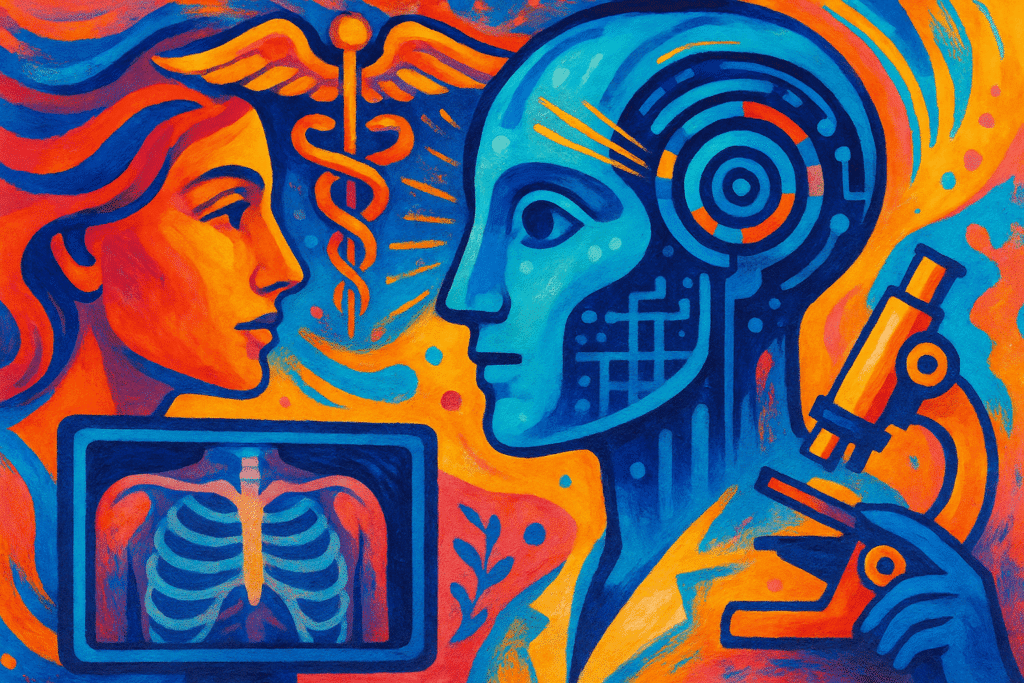
A multicenter prospective study published this week reports that next-generation AI systems can materially improve diagnostic accuracy across medical imaging and pathology. The study evaluated multimodal machine learning models that combine radiology images, pathology slides, and clinical data, reporting accuracy gains versus standard workflows.
Revolutionizing Accuracy: What’s New?
The evaluated platforms applied deep learning to CT, MRI, and digitized histology, with decision models that prioritize high-risk cases for clinician review. Reported performance improvements ranged between 15 and 30 percent in diagnostic accuracy depending on modality and condition, with the largest gains seen in early-stage oncology detection and certain cardiovascular assessments.
Key Technologies and Applications
- Convolutional and transformer-based networks for image interpretation
- Multimodal fusion that integrates imaging with electronic health record signals
- Automated triage to flag urgent findings and reduce time to diagnosis
Tangible Benefits for Patients and Professionals
Clinically, these tools reduced missed findings and cut time to diagnosis, which can translate to earlier treatment and better outcomes. For radiology and pathology teams, improvements include lower false positive rates, fewer unnecessary biopsies, and more efficient use of specialist time. Hospital administrators can expect workflow gains from faster report turnaround and more targeted case review.
The Road Ahead: What This Means for Healthcare
Wider adoption will depend on external validation, regulatory clearance, and integration with existing clinical systems. Early adopters should focus on local performance monitoring and structured pilot programs. As evidence mounts, AI diagnostic tools are poised to shift routine workflows, helping clinicians detect disease earlier and allocate resources more effectively.
For providers, researchers, and investors, the immediate takeaway is clear: validated multimodal AI is moving from research into clinical practice, offering measurable improvements in diagnostic accuracy and operational efficiency.