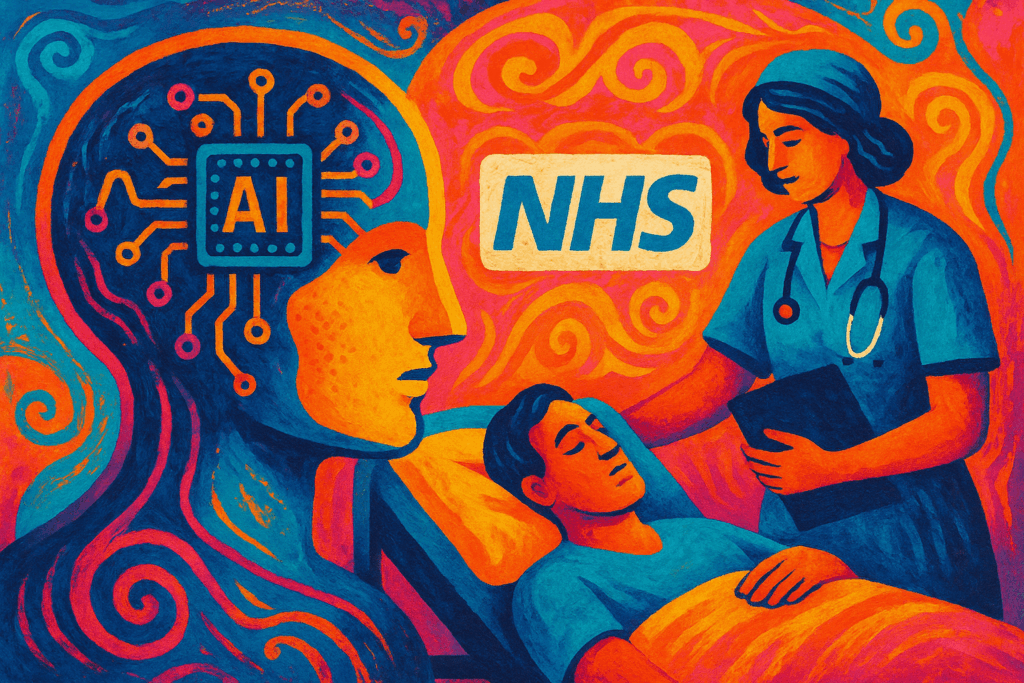

UK Calls for Urgent AI Healthcare Regulation Amid Rapid Adoption
The Medicines and Healthcare Products Regulatory Agency (MHRA) has proposed a framework to bring medical artificial intelligence under clearer oversight. Rapid clinical use of large language models, AI scribes and adaptive algorithms exposes gaps in current rules built for static devices and software.
The Regulatory Gap: Why Current Rules Fail AI
Existing medical device regulation assumes fixed behaviour and versioned approvals. AI systems that learn, adapt or drift after deployment defeat that model. Key failings include limited post-market monitoring, weak requirements for continuous validation, and inadequate provisions for documenting model changes and provenance.
MHRA’s Blueprint for Safe AI Integration
Core Recommendations for Oversight and Transparency
- Risk-based classification of AI tools with proportionate pre-market evidence.
- Mandatory post-market surveillance to detect performance drift and bias.
- Versioning and change-control rules for models that retrain or update.
- Clear labelling about AI role, limitations and human oversight expectations.
- Data governance, audit trails and provenance for training and real-world data.
- Standards for clinical evaluation, explainability and reporting of harms.
Balancing Innovation with Patient Trust and Safety
Adoption promises faster diagnoses, administrative relief and diagnostic augmentation. But risks include biased outcomes from unrepresentative data, privacy exposure via AI scribes, hallucinations from language models and uncertain liability when errors occur. Patient consent, transparent communication and tight controls on clinical use are central to maintaining trust.
The Path Forward for Responsible AI in Healthcare
The MHRA blueprint could set an international precedent if paired with global alignment on standards and data-sharing safeguards. Regulators, developers and clinicians must collaborate on agile rules that allow innovation while demanding continuous evidence of safety, fairness and accountability. For the UK, operationalising monitoring, clear responsibility models and public transparency will determine whether regulatory reform secures both better care and public confidence.