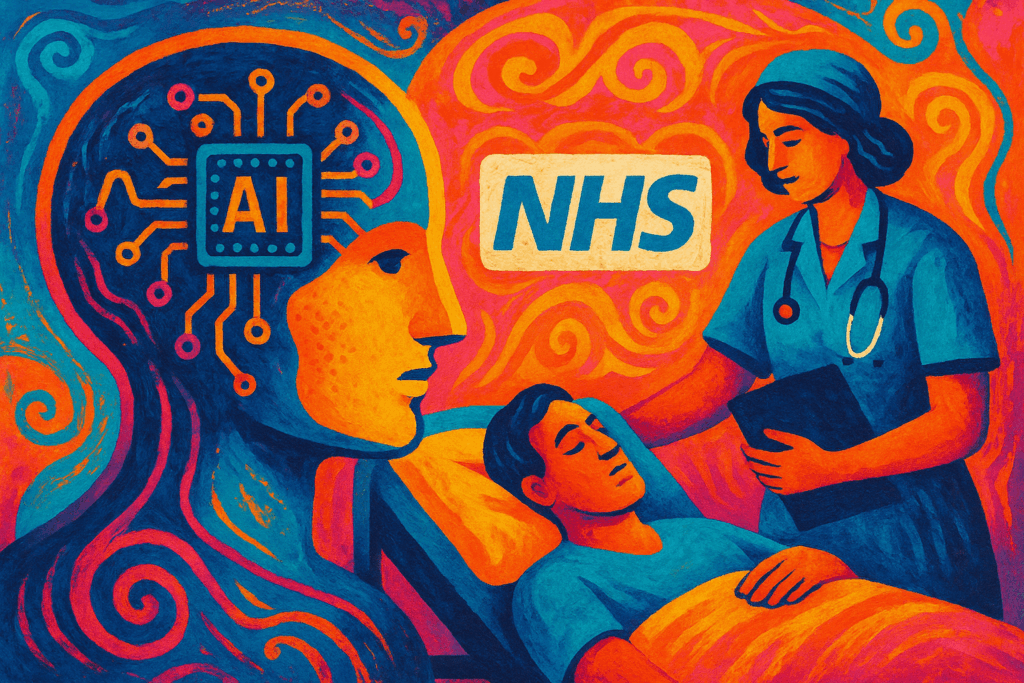

UK Physicians Call for Clear AI Regulation in Healthcare
Artificial intelligence is moving from pilot projects into frontline NHS practice. Clinicians welcome tools that support diagnosis, triage and workflow, but many say current rules are insufficient to manage risk. Leading medical bodies, including the Royal College of Physicians, are pressing for a clearer regulatory framework so AI is used safely and fairly within the NHS digital transformation.
Current Gaps and Physician Concerns
Physicians report anxiety about liability when AI recommendations influence care, about unrecognised error risk from opaque algorithms, and about variable data quality that can bias outputs. Surveys and consultations cited by the RCP show clinicians want clarity on who is accountable when AI contributes to harm and stronger requirements for clinical validation before deployment.
Blueprint for Safe AI: Key Recommendations
Medical bodies and regulators are converging on practical actions: a national regulatory framework that sets premarket standards and postmarket surveillance; explicit liability pathways that define clinician, provider and vendor responsibilities; robust data governance with minimum data quality and provenance checks; and mandatory interoperability standards so AI tools exchange information safely with NHS systems. The Medicines and Healthcare products Regulatory Agency has a central role in certifying AI as medical devices where appropriate and in coordinating guidance with health services.
Balancing Innovation with Patient Trust
Regulation can provide predictable routes to market, supporting investment and responsible innovation. Requiring transparency on algorithm performance, real world monitoring, and procurement criteria aligned to clinical needs will help build clinician and patient trust without blocking useful technologies. Clear standards allow vendors to design to clinical workflows and reduce the risk of harm from poorly integrated systems.
The Road Ahead for AI in the NHS
Policymakers, the MHRA, NHS leaders and professional bodies are engaged in ongoing consultations. The goal is a regulatory landscape that protects patients, clarifies liability, raises data and interoperability standards, and creates a dependable path for safe AI adoption across the NHS.