AI and Robotics Spearhead New Lung Cancer Screening in NHS
The NHS has begun a pilot that pairs artificial intelligence with robotic guidance to broaden lung cancer screening. The program aims to detect malignancies earlier and move patients more quickly from suspicious imaging to diagnostic sampling and treatment planning.
Revolutionizing Early Detection with AI
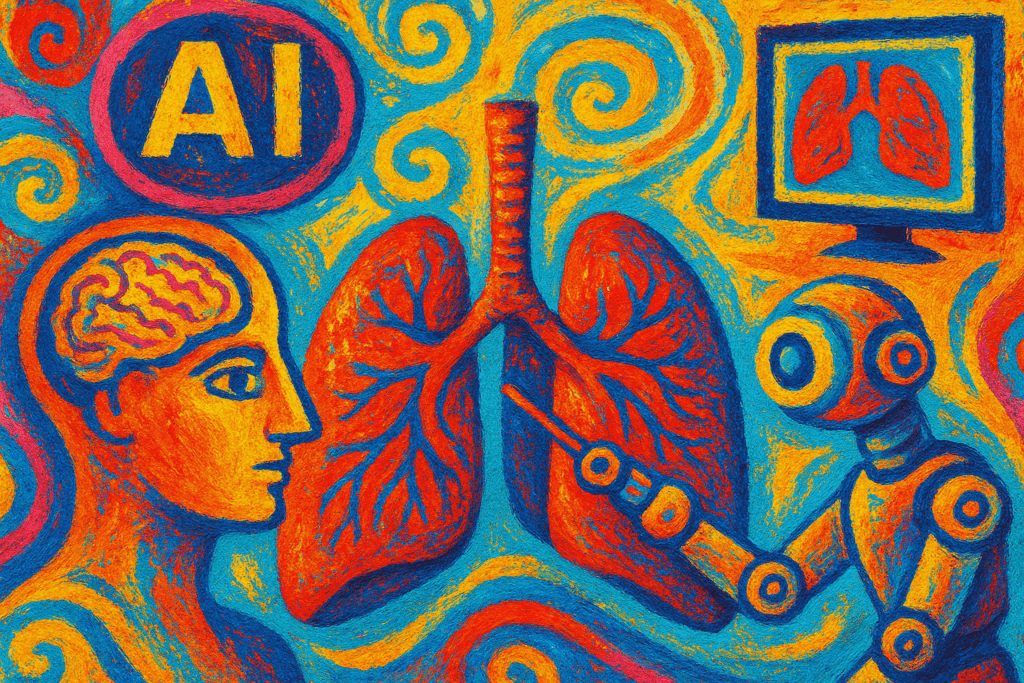
AI algorithms are applied to low-dose CT scans to identify and characterise pulmonary nodules. These models perform automated segmentation, assign malignancy risk scores, and prioritise scans for clinician review. By flagging small or subtle lesions and reducing false negatives, the technology shortens the time between imaging and clinical attention while supporting consistent triage across radiology services.
How the Pilot Integrates AI and Robotics
In the pilot workflow, AI first analyses imaging to mark target lesions and estimate probability of cancer. Those results inform procedural planning. Robotic platforms then assist bronchoscopic navigation and biopsy targeting, using image fusion and real-time feedback to reach peripheral nodules that are difficult to access manually. The combination aims to increase sampling accuracy, reduce repeat procedures, and lower complication rates by improving precision.
Future Implications for Patient Outcomes
Faster, more precise diagnosis can increase the proportion of cancers found at an early, treatable stage, which typically improves survival and expands less invasive treatment options. Professor Peter Johnson noted that the pilot is intended to shorten diagnostic intervals and raise early-stage detection rates, making timely treatment decisions more likely. Wider adoption would depend on continued validation, clinician training, and clear governance for AI outputs and robotic safety.
The Expanding Horizon of AI in Healthcare
This NHS pilot highlights a practical path for integrating diagnostic AI with interventional robotics. If validated at scale, the model could be extended across screening programs and other cancer pathways, shifting emphasis toward prevention and early intervention while requiring robust regulation, data stewardship, and multidisciplinary implementation.