The Latest Breakthrough: Multimodal Foundation Models in Healthcare
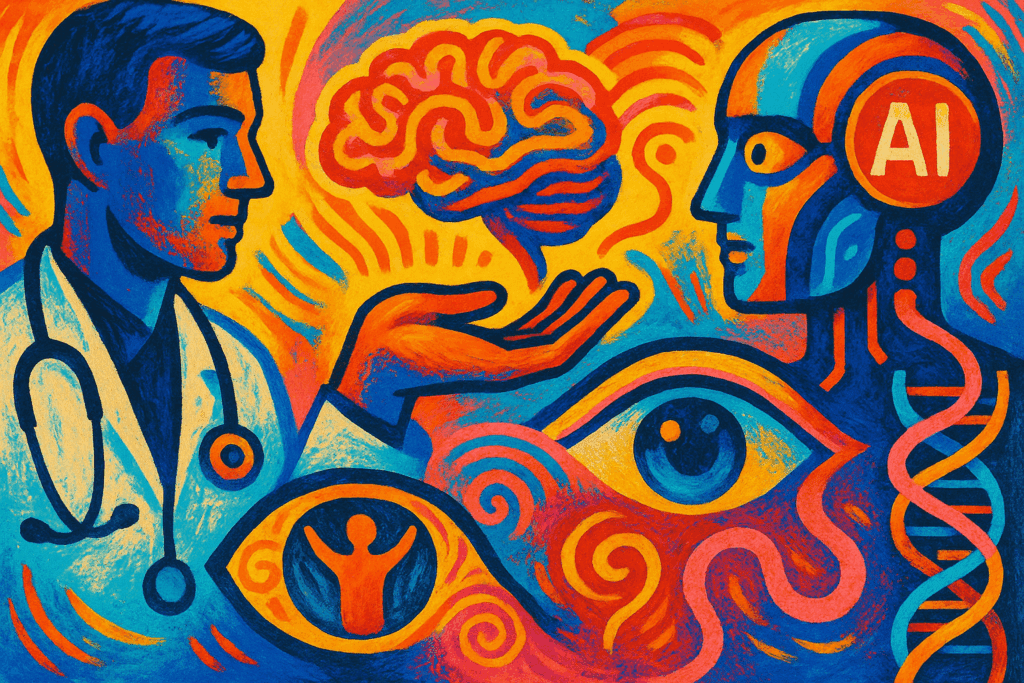
A new class of large, multimodal foundation models that integrate medical images, electronic health record text, lab results, and genomic data is accelerating practical AI use across medicine. These models learn shared representations across data types, enabling tasks that were previously siloed: image interpretation, clinical summarization, and predictive risk scoring within a single system.
How Multimodal Models are Reshaping Patient Care and Research
In radiology, multimodal models can combine imaging and clinical context to reduce false positives on chest CT and mammography. In oncology, they match tumor genomics with imaging and pathology notes to prioritize targeted therapies and clinical trials. Hospitals use the same models to auto-generate discharge summaries, flag high-risk patients for early intervention, and automate billing code suggestions, freeing clinicians to focus on complex decision making.
Looking Ahead: The Broader Impact on Medicine
Wider adoption could shorten diagnostic timelines, boost trial enrollment, and compress drug discovery cycles by prioritizing candidates with convergent evidence from multiple data modalities. However, adoption depends on rigorous external validation, transparent model behavior, and workflows that preserve clinician oversight. Privacy-conscious architectures such as federated learning and synthetic data are being paired with these models to limit data exposure while maintaining performance.
Why This Matters for the Future of HealthAI
Multimodal foundation models unify fragmented medical data into actionable insight, offering more comprehensive decision support than single-modality tools. Adoption will require coordinated policy, robust evaluation, and attention to bias and equity so benefits reach diverse patient populations. For providers, researchers, and regulators, the immediate task is pragmatic: validate these models in clinical settings and build safeguards so this capability improves outcomes without introducing new harms.