
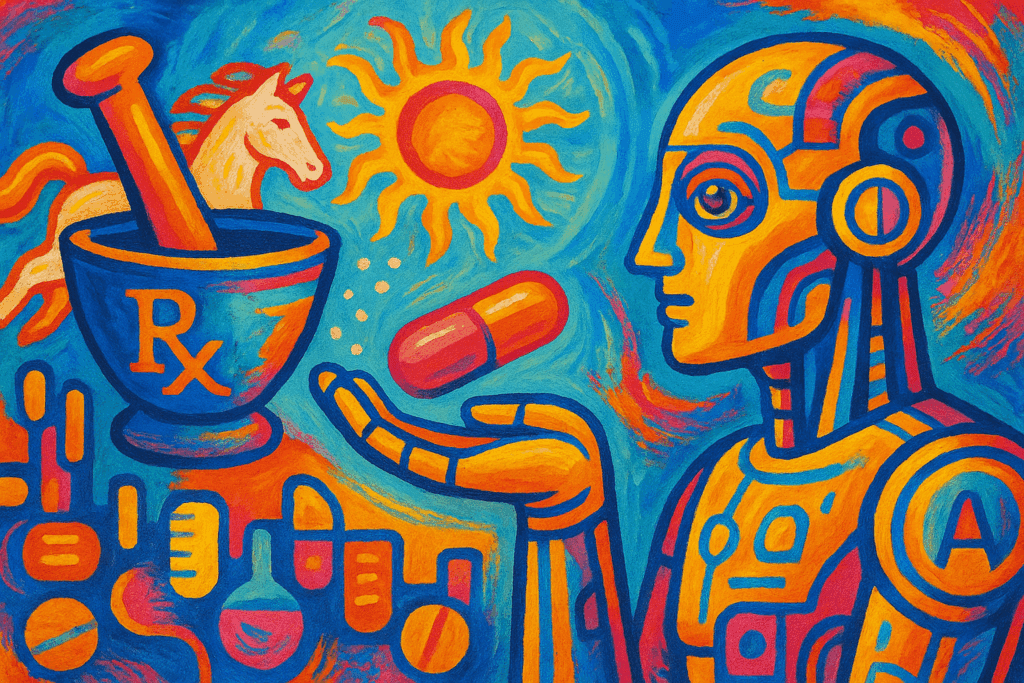
AI Set to Transform Drug Safety Testing
The UK Medicines and Healthcare products Regulatory Agency has announced an AI sandbox to test artificial intelligence tools for medicines development. The sandbox will offer a controlled environment where regulators, industry and researchers can trial AI methods that predict drug behavior, identify safety risks and reduce reliance on animal testing. The first phase will consider up to five approaches, with activity targeted for summer 2026.
How the Sandbox Will Operate
The sandbox is designed as a safe testbed. Developers can submit models for assessment under realistic data and regulatory constraints while the MHRA observes performance, failure modes and data requirements. Expected AI capabilities include predictive analytics for absorption and toxicity, machine learning models trained on pharmacology datasets, in-silico simulation of human responses, and privacy-preserving techniques such as federated learning.
By running these tools in a supervised setting, regulators can gather evidence on accuracy, generalizability across populations, and how models handle rare adverse drug reactions. That evidence will inform technical standards, validation criteria and guidance for clinical and preclinical use.
Shaping the Future of Medicine
For patients, faster detection of safety issues means fewer harmful exposures and swifter access to safer medicines. For drug developers, validated AI tools can reduce late-stage failures, lower development costs, and limit animal experiments by replacing some lab and animal studies with validated computational models. For the UK life sciences sector, the sandbox positions the country as a testing ground for regulatory innovation and a potential template for international regulators.
Global implications are significant. If the MHRA can translate sandbox findings into clear standards, other regulators may follow, accelerating adoption of robust AI in drug development worldwide. The outcome will depend on transparent reporting, cross-sector collaboration, and rigorous evaluation of model performance across diverse patient groups.
Timeline highlights: up to five approaches in phase one, sandbox activity aimed at summer 2026, and ongoing work to convert findings into regulatory guidance.