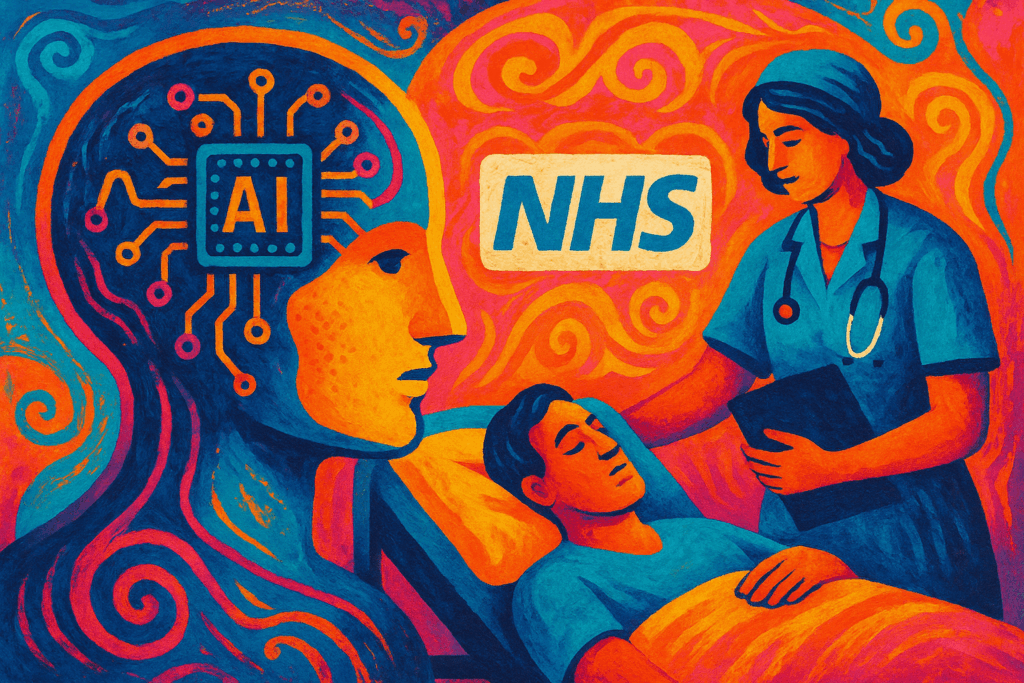

Pioneering AI for Early Infection Detection in Hospitals
East Kent Hospitals has begun using MEMORI, an AI-driven infection risk tool developed with Sanome, to identify patients at higher risk of infection earlier than conventional clinical review. The system analyzes routine clinical inputs to produce a simple infection risk score, making this deployment one of the first practical implementations of predictive infection detection in a UK trust.
Transforming Clinical Workflow with Predictive AI
MEMORI ingests standard data such as blood test results, observations and vital signs recorded in electronic patient records. It applies predictive analytics to detect subtle patterns that often precede visible clinical symptoms and flags patients with raised infection risk. Clinicians receive a concise risk alert that helps prioritise review and testing. Staff report that the tool reduces time spent manually scanning datasets, allowing nurses and doctors to focus on bedside care and decision making rather than data collation.
Broader Impact: Patient Outcomes and Operational Gains
Early identification allows faster initiation of targeted investigation and treatment, which can shorten recovery times and reduce the likelihood of hospital-acquired infections. Operational benefits include improved bed management by reducing unexpected deterioration, and more efficient use of microbiology and pharmacy resources. Importantly, the MEMORI rollout is positioned as a support for clinicians rather than a replacement; the system amplifies human judgment by surfacing high-risk cases for timely intervention.
The Path Forward for AI in Hospital Care
East Kent Hospitals’ use of MEMORI illustrates how leveraging existing clinical data can shift care from reactive to proactive. For health system leaders, the case highlights measurable gains in patient safety and workflow efficiency and offers a replicable model for other trusts and hospitals. As predictive tools mature, integration with electronic records and clear clinical pathways will be key to safe, scalable adoption across NHS and global health systems.