
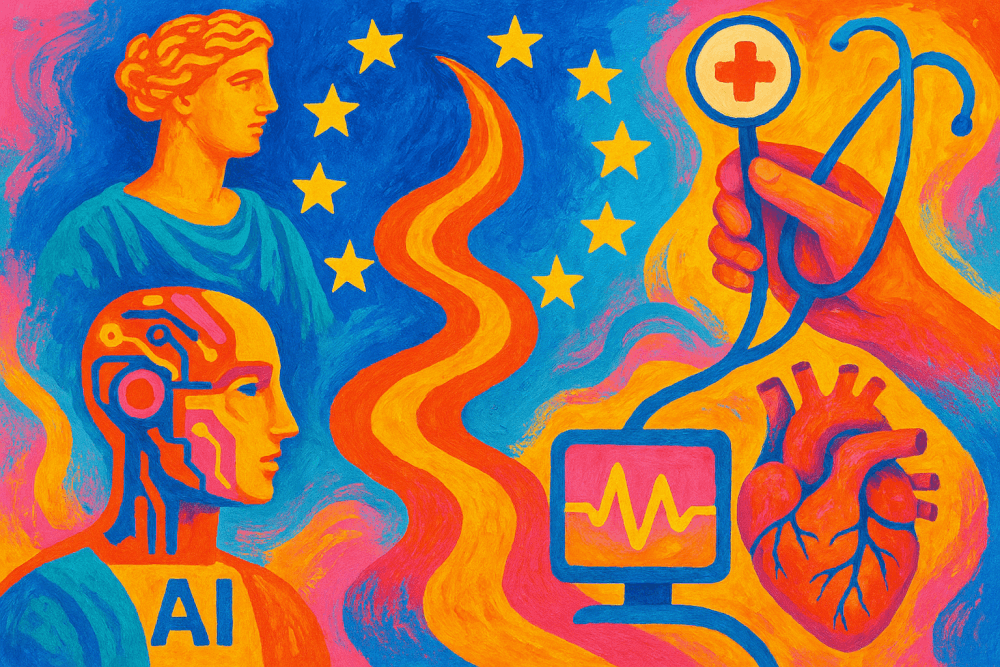
Policymakers, clinicians, and industry leaders across Europe are calling for a single regulatory pathway for AI-enabled medical technologies. The goal is to align safety, clinical validation, and market access so patients and health systems can benefit from trustworthy AI tools at scale.
AI’s promise for patient care and system efficiency
AI diagnostics and decision support can detect disease earlier, stratify risk, and support personalised treatment plans. For overstretched health systems, these tools can reduce clinician burden, speed workflows, and help manage ageing populations and workforce shortages. When backed by clinical evidence, AI products can improve outcomes and broaden access to specialist-level analyses.
The current regulatory hurdle
At present, AI health products face overlapping rules. Medical Device Regulation and In Vitro Diagnostic Regulation already set high bars for safety and performance. The proposed EU AI Act adds a second layer focused on algorithmic risk. This regulatory patchwork increases complexity, delays approvals, and raises costs for developers. The result is slower patient access and fragmented adoption across member states.
What a single European pathway would do
A harmonised pathway would align premarket evaluation, clinical validation, transparency requirements, and post-market surveillance into a coherent route. Key elements would include:
- Clear classification rules for AI medical functions and risk levels
- Standardised evidence expectations for clinical performance
- Unified post-market monitoring and reporting requirements
- Transparent auditability and data governance rules that preserve privacy
This approach would reduce duplication, provide predictable timelines, and strengthen public and professional trust in AI tools.
Impact on innovators, investors and patients
A single pathway makes EU market entry simpler and more predictable for startups and established firms alike. Investors gain clearer risk assessments, which can increase funding for validation and scale. Clinicians benefit from consistent standards and guidance, while patients see faster availability of validated AI solutions across Europe.
As regulators refine policy, stakeholders should prioritise practical, evidence-based rules that support safe innovation and broad patient access. Aligning regulatory frameworks is a necessary step if Europe wants to convert AI potential into measurable health gains.