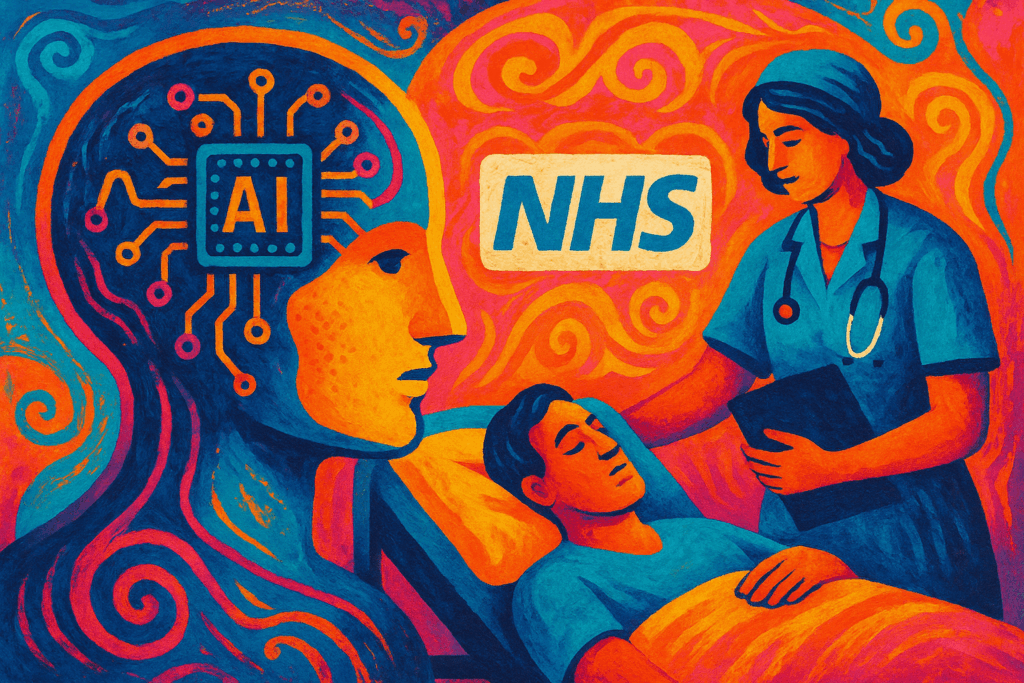

UK policy updates around GP contracts, vaccination delivery and screening create a practical runway for AI tools. From early cancer detection to cutting administrative load, AI can convert policy intentions into measurable system improvements.
AI-Driven Enhancements for Primary Care & Prevention
New GP Contract: Fueling Early Detection and Data Integration
Provisions for expanded vaccination delivery and mandatory lung cancer screening data share will push primary care to adopt risk-driven workflows. Machine learning models trained on primary care records can flag high-risk patients for targeted outreach, while natural language processing can surface smoking history and symptom patterns from free text. Coupled with standard APIs such as FHIR and federated learning approaches, these tools can support screening programs without centralising identifiable data.
Deconstructing the “Healthcare Maze” with AI
Streamlining Patient Pathways and Operational Workflows
Fragmented IT links and referral bottlenecks are well suited to AI automation. Automated triage and prioritisation using NLP can speed referrals, while real-time referral tracking dashboards reduce repeat queries and administrative overhead. Virtual assistants can help patients access records and appointment slots, and predictive scheduling can lower no-show rates and improve clinic throughput.
Expanding AI’s Reach: Personalized Support and System Efficiency
Beyond core primary care, AI can personalise support for children with special educational needs by modelling service needs and coordinating multiagency plans. For dentistry and community services, demand forecasting and optimisation algorithms can guide resource allocation and venue placement, improving access where supply is limited.
The Road Ahead: Policy Foundations for AI Integration
These policy shifts create momentum for interoperable data standards, clearer consent models and cross-sector pilot programmes. Strong governance, independent evaluation and clinician-led deployment will be needed to translate pilots into scale. Internationally, the UK experience in linking contracts and data flows offers a template for other systems seeking to pair policy change with responsible AI adoption.