AI Rescues Failed Medicines: A Sustainable Solution
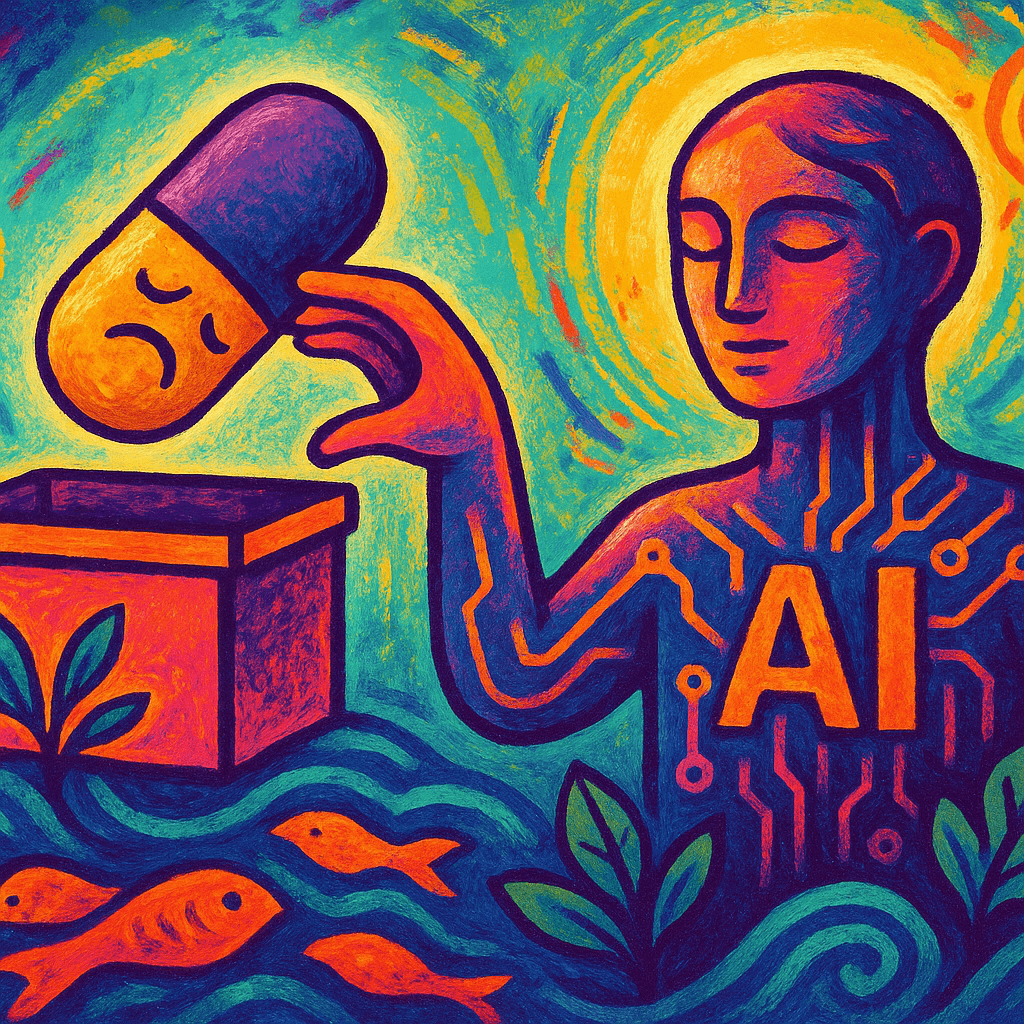
Clinical trials fail at roughly 90 percent of drug candidates, producing vast sunk costs, delayed therapies, and significant environmental waste from repeated discovery cycles. Artificial intelligence is emerging not just to find new molecules, but to recover value from compounds shelved for safety or efficacy reasons. This approach shortens development timelines, reduces expenditure, and limits the resources consumed by traditional drug discovery.
Ignota Labs’ SAFEPATH: Unlocking Drug Toxicity
Ignota Labs applies its SAFEPATH AI platform to map mechanisms of toxicity for previously failed candidates. Using integrated bioinformatics and cheminformatics, SAFEPATH links chemical structure, biological targets, and cellular pathways to propose why a molecule caused adverse events. That information enables teams to pursue targeted fixes such as structure tweaks, alternative indications, dose adjustments, or patient stratification rather than discarding the asset.
Explainable AI: Building Trust in Predictions
SAFEPATH emphasizes explainable AI so outputs are mechanistic and interpretable instead of black box scores. Models provide hypothesis-level explanations: which off-targets, metabolites, or pathway perturbations drive risk and which assays validate those predictions. Transparent reasoning supports internal decision making and dialogue with regulators, increasing confidence in repurposing strategies and safety mitigation plans.
Beyond Discovery: Efficiency and Environmental Gains
Repurposing with AI can cut years from development and reduce costs by avoiding full de novo pipelines. Environmental benefits follow: fewer synthetic campaigns, smaller reagent and consumable usage, and reduced carbon and water footprints compared with starting from scratch. Over time, routine use of rescue platforms could make drug development more sustainable while improving portfolio productivity.
As regulatory bodies grow familiar with mechanistic, explainable predictions, AI-driven rescue programs are likely to become standard tools for biopharma, investors, and research teams seeking to maximize the value of existing chemistry and lower the overall burden of drug development.