Artificial intelligence is moving from research labs into clinical imaging suites, offering more consistent reads and faster triage for conditions like early-stage cancer. This article summarizes how recent AI advances are shifting precision diagnostics from promise to practical use while noting limits that still require attention.
The Promise of AI in Diagnosis
AI systems can process vast imaging datasets and identify subtle patterns that may elude the human eye. In practice, that means faster detection of abnormalities and a lower chance of missed findings when models are integrated with radiology workflows.
How AI is Transforming Medical Imaging
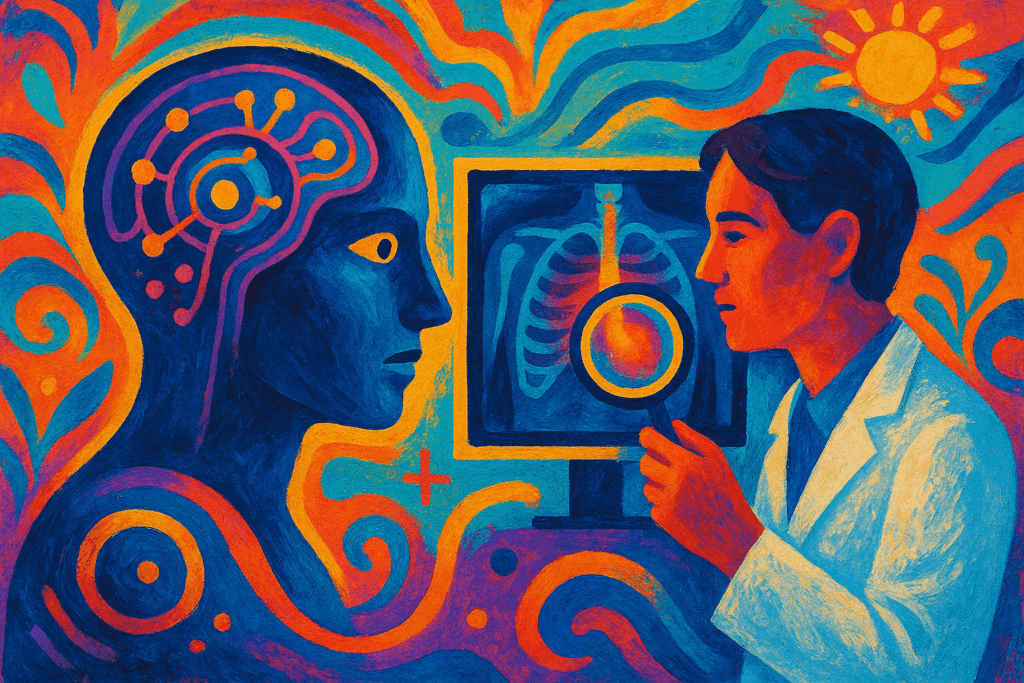
Modern deep learning models specialize in tasks such as spotting tiny lung nodules on CT, detecting microcalcifications on mammography, and quantifying tumor volume on MRI. These tools act as second readers or triage assistants, flagging high-risk studies for immediate review. Recent multicenter pilots report improved sensitivity while keeping false positives manageable when AI is combined with radiologist oversight. The speed benefit is also important: automated prereads can reduce time-to-report from hours to minutes in some emergency and screening settings.
Impact on Patient Care and Future Outlook
Earlier and more consistent detection can translate into less invasive follow-up, more timely treatment, and reduced diagnostic delays. Clinicians gain a practical workload buffer, enabling them to focus on complex cases and patient communication. Wider access to validated AI tools could improve care in regions with limited specialist availability.
Challenges remain. Models must be validated across diverse populations to avoid biased performance. Data governance, integration with electronic health records, and clear regulatory paths will shape adoption. Prospective studies that measure outcomes, not just diagnostic accuracy, will be essential to move AI from promising tool to routine standard of care.
HealthAIInsiders will track major clinical trials and regulatory milestones as AI continues to reshape precision diagnostics for patients and providers.