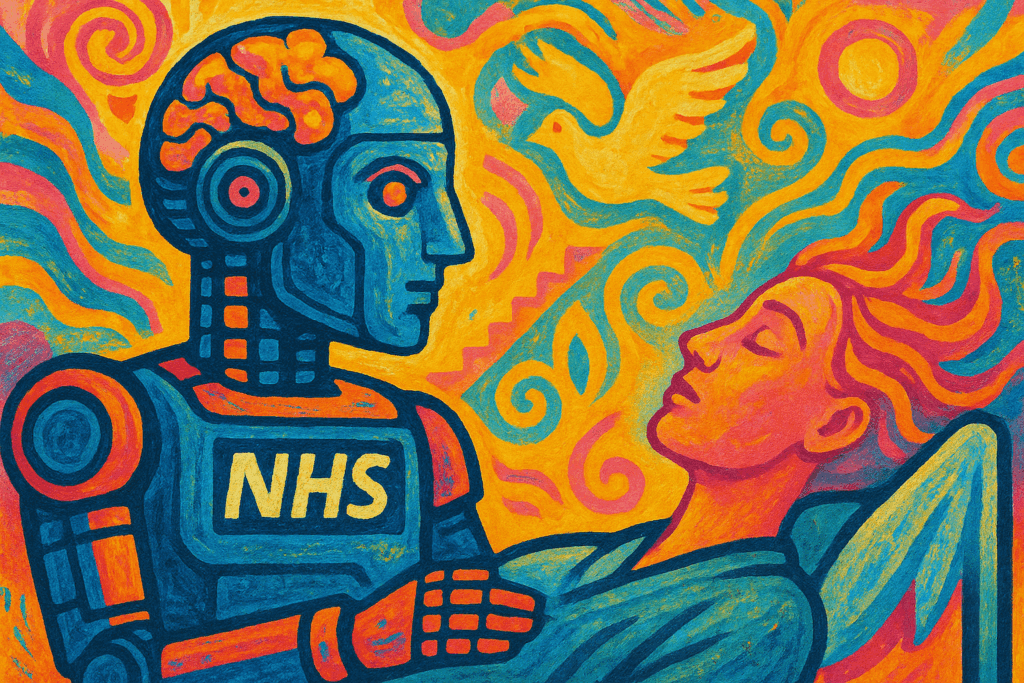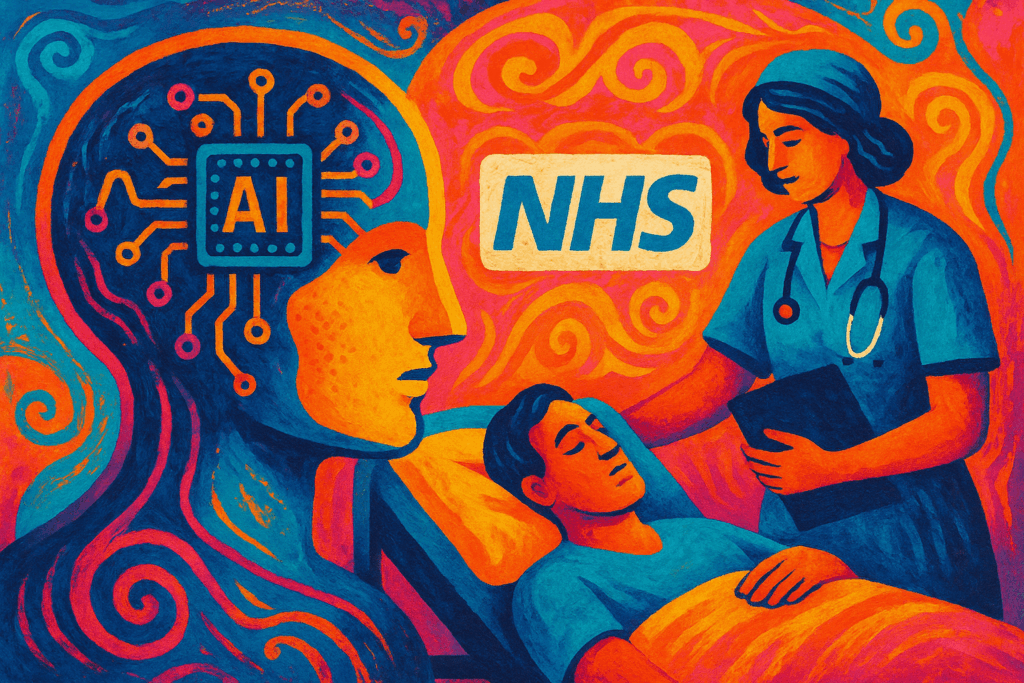
The Driving Force of AI in Healthcare
Artificial intelligence is moving from proof-of-concept projects to operational systems that address persistent bottlenecks in care and development. Leading healthcare organizations use AI to reduce time to decision, improve diagnostic sensitivity, and make complex operational processes more predictable.
Real-World AI Integration: Company Spotlights
AstraZeneca: Faster, smarter drug discovery and trial design
AstraZeneca applies machine learning models and computational biology to prioritize targets, predict compound properties, and accelerate lead selection in oncology and rare disease programs. On the clinical side, AI supports adaptive trial designs and patient stratification through integrated clinical and molecular data, lowering failure risk and shortening recruitment windows.
Haleon: Smarter consumer health operations
Haleon uses data science for demand forecasting, inventory optimization, and route-to-market planning for brands such as Sensodyne and Panadol. AI-driven segmentation and content testing refine marketing spend and digital engagement, while predictive logistics reduce stockouts and waste across retail channels.
IXICO: Neuroimaging and biomarker services for brain disease trials
IXICO provides centralized, AI-powered image processing and quantitative biomarker extraction for Alzheimer’s, Parkinson’s, and related trials. Automated pipelines increase consistency across sites, enable earlier detection of disease signals, and support regulatory-grade endpoints for sponsors running brain-focused studies.
Shaping the Future of Health AI
These implementations show common patterns: AI adds value where complex data, long timelines, or operational variability exist. Expect broader adoption of federated learning for multi-site trials, synthetic data for model training, and more regulatory engagement on validated digital biomarkers. Cross-functional teams that combine clinical, data science, and operational expertise will lead deployments that are practical and sustainable.
Conclusion: The AI Healthcare Journey Continues
AI is already solving targeted problems across discovery, trials, diagnostics, and consumer health logistics. For healthcare leaders, the takeaway is clear: prioritize use cases with measurable workflow gains, build multidisciplinary governance, and scale gradually to capture real-world impact.