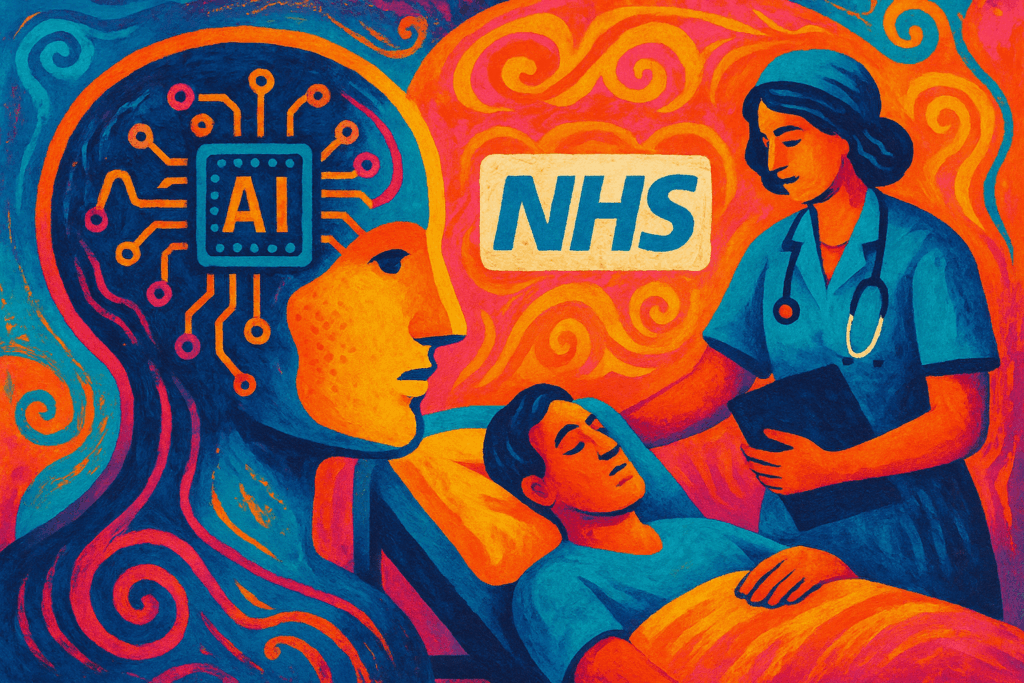
The Dual Impact of AI in Healthcare
AI in healthcare brings real benefits: faster image reads, automated paperwork and decision support. At the same time, a rising generation of AI-informed patients introduces new work for clinicians. The result is a mix of efficiency gains and practical complications for everyday care.
Patient-Driven AI: A Source of New Scrutiny
Patients use chatbots and search tools to research symptoms, suggest treatments and even prepare formal complaints. That can help conversations when patients come with thoughtful questions. But it can also create extra tasks: clinicians must verify AI outputs, correct errors, explain why suggestions may not apply and sometimes respond to AI-generated critiques. Some practices report an added 20 to 40 minutes per flagged encounter when records and guidance need careful review.
Safeguarding Professional Well-being
This added scrutiny piles on top of existing time pressures and administrative load. When clinicians spend extra unpaid time addressing AI-originated materials, their work-life balance worsens and the risk of burnout rises. That matters for retention and for patient safety, because stressed staff cannot perform at their best.
Fostering Constructive AI Collaboration
Patients can use AI responsibly by treating outputs as starting points. Bring AI prompts and answers to appointments as discussion items, ask where recommendations came from and invite clinicians to interpret findings. Avoid using AI as a definitive diagnosis or as a basis for immediate accusations.
A Call for Practical Steps
Healthcare organizations, policymakers and tech developers should define workflows that acknowledge time spent on AI-related patient questions. This could include brief triage tools, documentation templates and compensation models for review time. Training on patient-provider communication in the AI era will help protect both clinicians and patients.
AI has promise, but its value depends on how patients and professionals work together. Respectful use of AI and system-level supports can keep care effective while protecting clinician well-being.