AI in Healthcare: The New Frontier of Accountability
Artificial intelligence is being used across diagnosis, decision support, and robotic procedures, offering potential speed and pattern recognition benefits. At the same time, its adoption raises questions about who bears responsibility when AI contributes to a missed or incorrect clinical decision. This creates a need for clear practice standards and updated organisational policies.
When AI Misses: Who Holds the Blame?
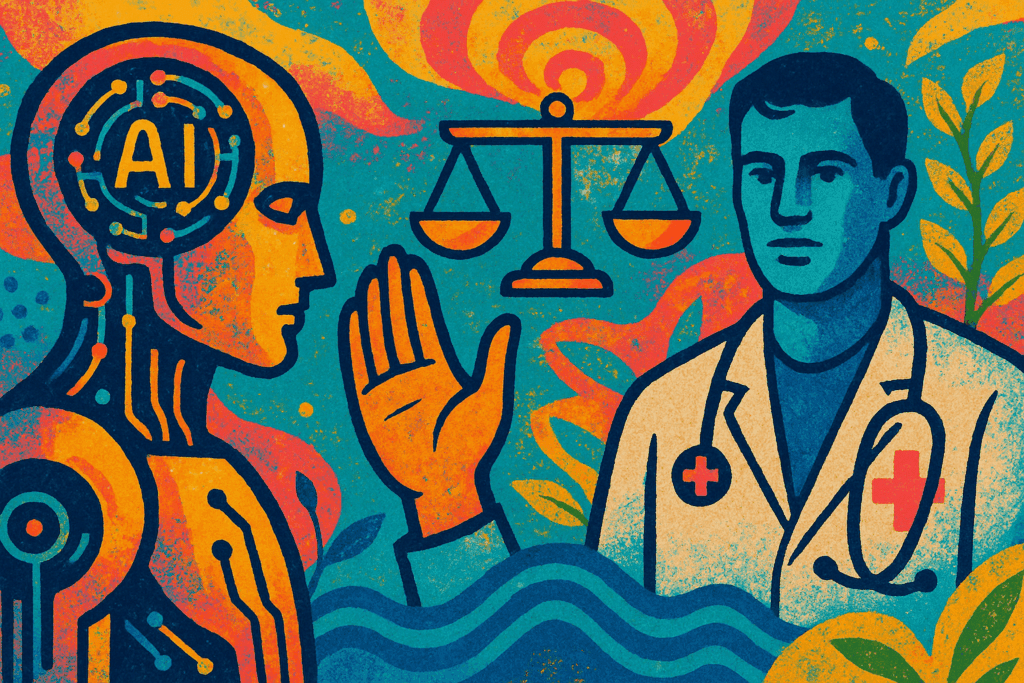
AI can blur traditional accountability lines. A mistake may involve the clinician who acted on a recommendation, the health service that implemented the tool, or the developer that supplied it. Many jurisdictions still place ultimate responsibility on the treating practitioner, because clinicians remain responsible for clinical judgment. However, lack of algorithm explainability and opaque training data complicate liability assessments and may expose gaps in coverage for providers and organisations.
Meeting Professional Obligations with AI Tools
Practitioners should treat AI as an assistive tool, not a replacement for clinical judgment. Practical steps include verifying AI outputs against clinical findings, documenting how AI informed decisions, and familiarising oneself with the tool’s scope and limitations. Patient communication matters: record when AI contributed to care and include relevant information in consent conversations, especially where decisions diverge from standard practice. Protecting patient privacy remains essential when sharing data with third-party AI vendors.
Preparing for AI-Driven Risk Management
Healthcare organisations need governance frameworks that define approved use cases, validation processes, staff training, and incident reporting. Risk assessments should consider model performance across patient groups and fallback plans for system failures. Engage insurers early to confirm how professional indemnity and cyber policies respond to AI-related claims. Regularly review vendor contracts to clarify liability, warranty, and data responsibilities.
AI can support better care, but its safe use depends on human oversight, clear documentation, and organisational readiness to manage new liability exposures. Taking proactive, practical steps will help clinicians and health services navigate this evolving medicolegal landscape.