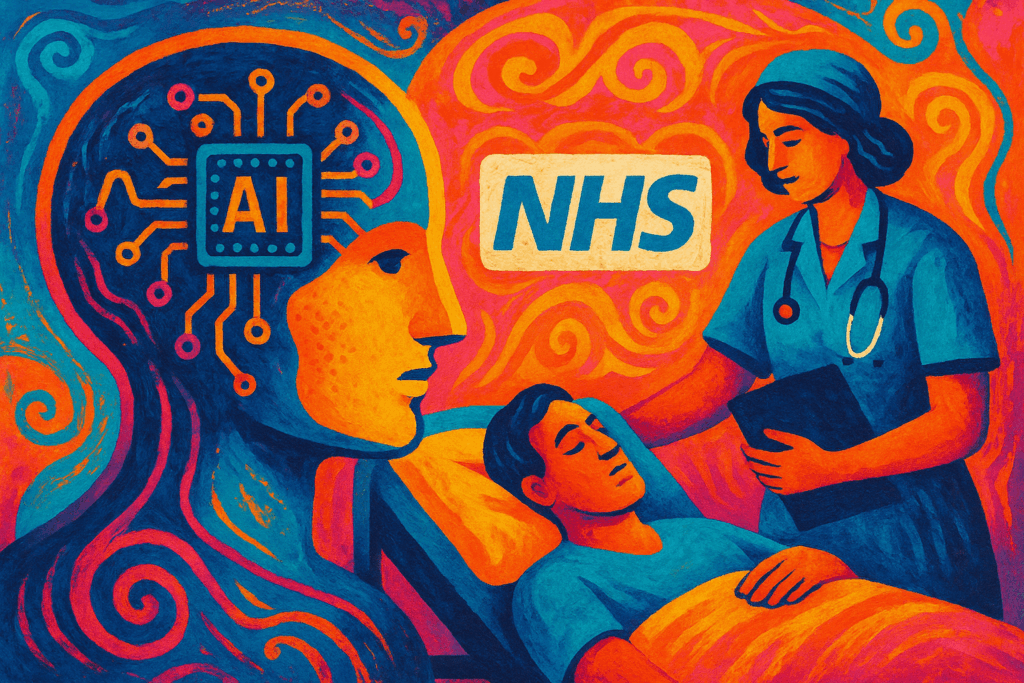
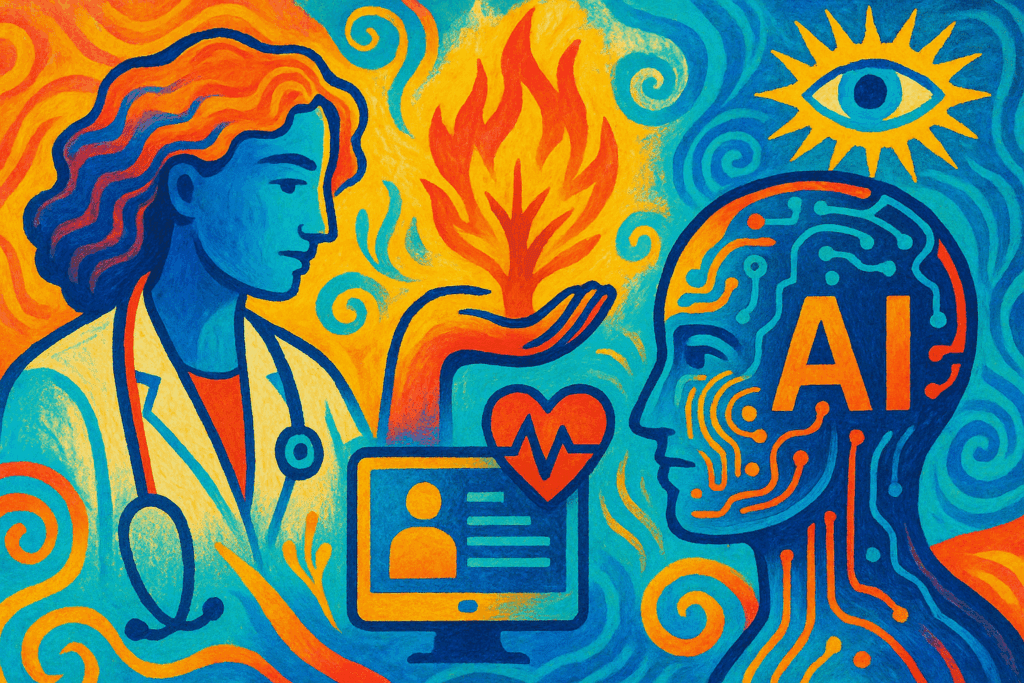
Artificial intelligence is reshaping how care is delivered, from faster diagnostics to accelerated drug discovery. This short briefing outlines practical gains for clinicians and patients, the ethical questions now on the table, and the policy actions that will shape adoption worldwide.
AI’s Promise: Reshaping Healthcare Delivery
AI systems are already improving diagnostic accuracy in radiology and pathology, speeding candidate selection in drug development, and supporting remote monitoring. On the front line, tools such as AI-powered scribes, automated coding, and triage algorithms reduce administrative workload and let clinicians spend more time with patients. Pilot programs in national health services and private systems show measurable time savings and faster diagnostic turnaround.
The Ethical Frontier: Navigating Challenges
Major risks follow rapid deployment. Patient data privacy and security are priorities as large datasets are collected and shared. Algorithmic bias can reproduce and amplify existing health disparities when training data underrepresents certain populations. Transparency about model limitations, access to representative data, and mechanisms for audit and redress are needed to avoid widening inequity. The World Health Organization has urged member states to adopt governance that protects people while allowing beneficial innovation.
The Path to Responsible Innovation
Robust national strategies and harmonized international standards will determine whether AI serves broad public health goals or concentrates benefits. Regulators such as the FDA and regional authorities are evolving frameworks for clinical validation, post-market surveillance, and data stewardship. Success will depend on multi-stakeholder collaboration among clinicians, technologists, patients, and policymakers, plus investments in AI literacy for healthcare teams. Practical next steps include transparent validation studies, enforceable privacy safeguards, and global cooperation on benchmark datasets and safety standards.
AI has practical, near-term uses that can reduce clinician burden and speed discovery. Realizing those gains while protecting patients calls for deliberate governance, measurable accountability, and shared international effort.