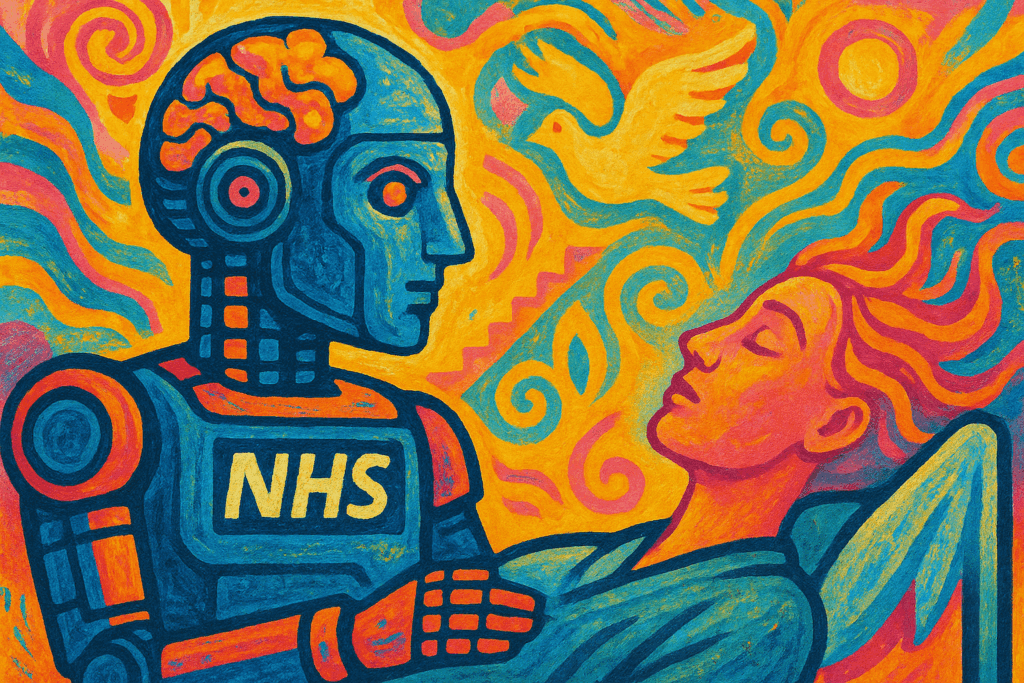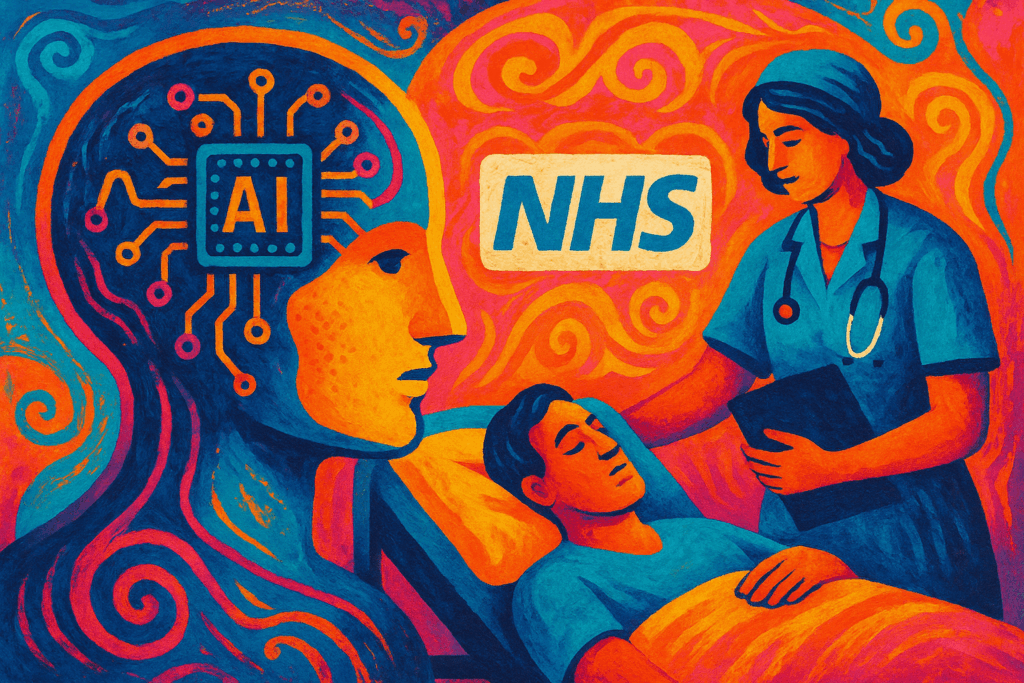

The adoption of artificial intelligence within large healthcare networks is moving from pilots to production. Across hospitals, clinics and research centers, AI is being embedded into enterprise workflows to reduce waste, speed diagnosis and support more precise care decisions.
AI Powering Healthcare Enterprise Networks
Enterprise networks are adopting models that operate at scale, integrating AI into electronic health records, imaging platforms and administrative systems. These deployments prioritize reproducibility, model monitoring and regulatory compliance. By standardizing model deployment pipelines, networks can move beyond point solutions to network-wide capabilities that serve clinicians and administrators alike.
Driving Efficiency and Outcomes
Key AI applications include diagnostic imaging interpretation, sepsis and deterioration prediction, personalized treatment recommendations and demand forecasting for staffing and supplies. When models are incorporated into clinical pathways, response times improve and avoidable admissions decline. Operational AI reduces administrative burden by automating coding, prior authorization and scheduling, freeing clinicians to focus on complex care.
The Network Effect: Collaboration and Data
AI benefits from diverse, high-quality data. Federated learning, secure multi-party computation and standardized APIs allow institutions to train robust models without centrally sharing raw patient records. Cross-institutional research networks accelerate validation and reduce bias. Governance frameworks, role-based access and privacy-preserving techniques are essential to maintain trust while enabling collaboration.
The Future of Connected Health AI
Near-term priorities are model transparency, continuous performance auditing and integration into clinician workflows. Longer term, expect broader adoption of edge inference, real-world evidence loops and reimbursement models tied to AI-driven outcomes. Success will depend on clear governance, interoperability standards and multi-stakeholder collaboration spanning technology vendors, health systems and regulators.
For healthcare executives and investors, the shift is strategic: AI is not a single product but an operational capability that, when scaled across an enterprise network, can improve efficiency and patient outcomes at population scale.