Artificial intelligence is moving from research labs into frontline care. A recent WHO/Europe report gives the first comprehensive snapshot of AI deployment across European health systems, highlighting rapid uptake in diagnostic applications and the need to align innovation with governance, workforce skills, and public confidence to improve patient outcomes.
AI Diagnostics Leads Healthcare Transformation
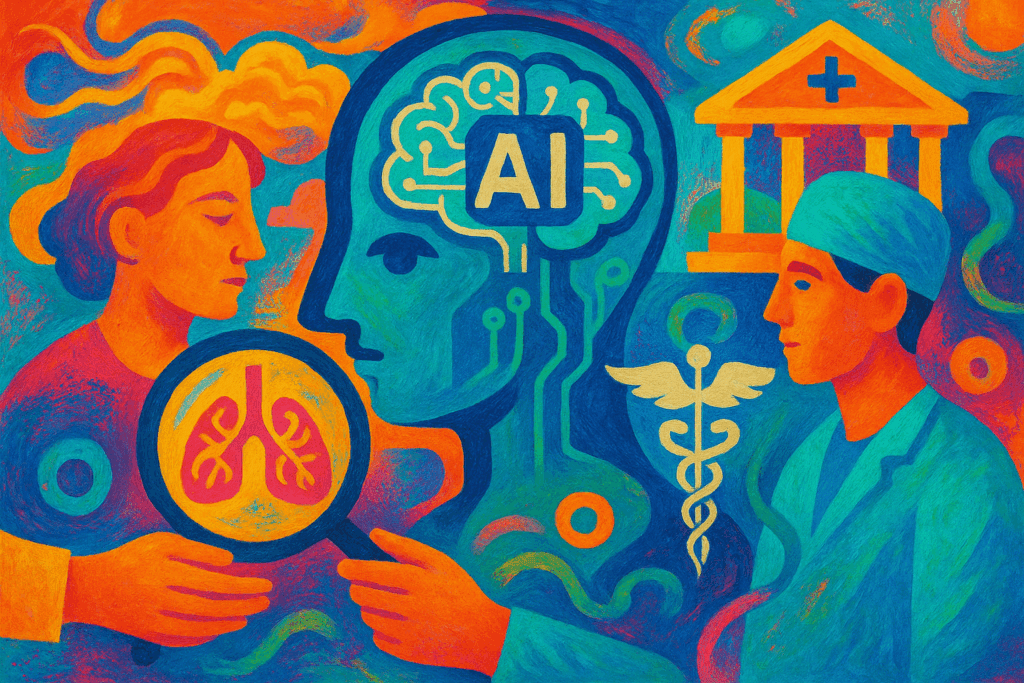
AI is most mature in diagnostics, particularly medical imaging, pathology, and algorithms that support disease detection and clinical decision making. Many European hospitals now run pilots or operational tools that flag abnormalities, prioritize scans, or assist triage. Adoption is driven by better algorithms, richer labeled datasets, and rising clinical demand for faster, more consistent interpretations. The report notes new clinical roles focused on data science and AI governance, as well as auxiliary tools such as chatbots for appointment management and patient queries. These deployments show momentum, but performance varies by country, specialty, and data infrastructure.
Beyond Technology: Skills and Public Confidence
Workforce Preparedness for AI
Health professionals need practical AI literacy: how models are developed, their limits, and how to interpret outputs in context. Training should cover basic statistics, bias recognition, and ethical responsibilities that remain with clinicians when they use AI-informed advice. Professional curricula and continuing education must adapt so clinicians can collaborate with data scientists, review model performance, and document decisions when AI inputs are used.
Building Trust Through Inclusive Design
Public and patient involvement in design, testing, and governance improves acceptability and equity. Participatory processes uncover real-world concerns about bias, privacy, and transparency and help set acceptable risk thresholds. Systems that omit citizen engagement risk resistance and unequal outcomes. Open communication about data use, consent, and safeguards is essential to build long term trust.
Path Forward: Strategic Integration of AI
Priorities are clear: scale education in AI fundamentals and ethics for clinicians, create transparent channels for patient and public input, and establish innovation hubs or centres of excellence to run pilots, audit algorithms, and share best practices. Complementary actions include robust data governance, clear regulatory pathways under EU frameworks, and routine impact monitoring. The goal is to align technology, people, and policy so diagnostic AI improves care while protecting rights and public confidence.