Is AI Ready to Diagnose? Weighing Promise and Reality
Artificial intelligence has moved from research labs into clinics, producing impressive results in specific diagnostic tasks. Yet widespread autonomous diagnosis remains premature. This brief outlines where AI performs well, the obstacles to reliable real-world use, and why human oversight must stay central.
AI’s Diagnostic Breakthroughs
In controlled studies, AI systems have matched or exceeded clinicians on narrow tasks, particularly image-based diagnosis. Notable areas include:
- Radiology tasks: automated interpretation of X-rays and CT images with high sensitivity for selected pathologies.
- Oncology screening: algorithms that detect suspicious lesions in mammograms and skin images, improving early detection rates in test datasets.
- Ophthalmology: retinal image analysis for diabetic retinopathy screening that has earned regulatory clearance in several regions.
- Telehealth triage: symptom checkers and chat systems that help prioritize urgent cases and augment remote assessment.
Growing Adoption, Persistent Challenges
Hospitals, startups, and regulatory bodies are increasingly approving AI tools for targeted uses. Adoption is expanding where workflows allow AI to operate as a second reader or decision support. However, multiple reliability hurdles remain:
- Data bias: Models trained on limited populations can underperform for demographic groups underrepresented in training data.
- Explainability: Many models act as black boxes, making it hard for clinicians to understand why a prediction was made.
- Privacy and security: Use of patient data raises risks around consent, breaches, and secondary uses.
- Generalization: Performance often drops when models face new scanners, protocols, or patient mix not seen during training.
Building Trust Through Human-AI Partnership
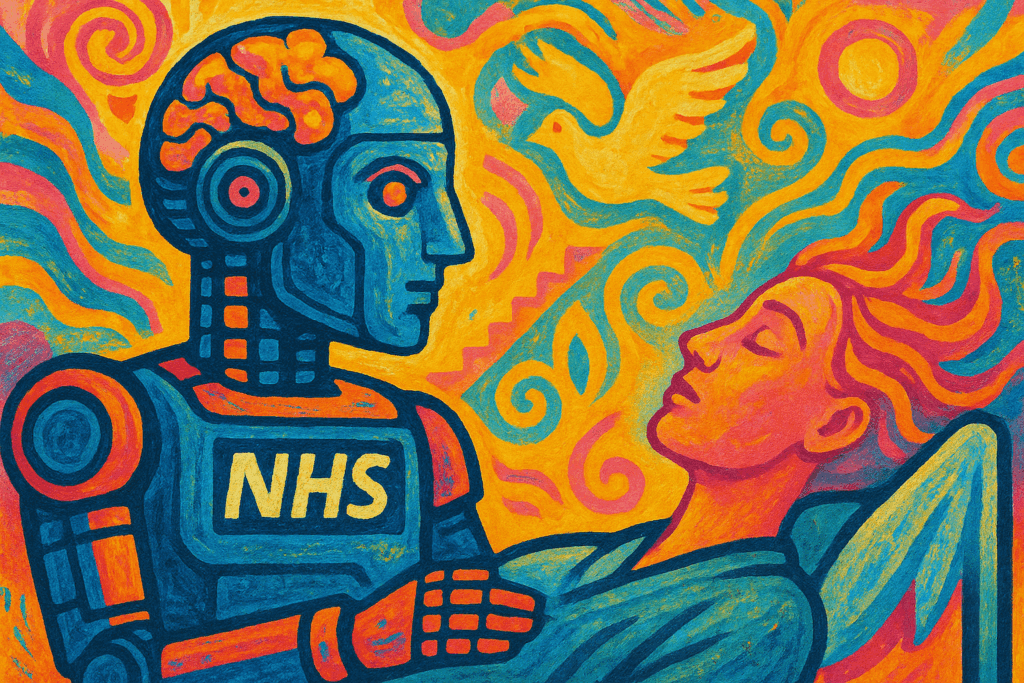
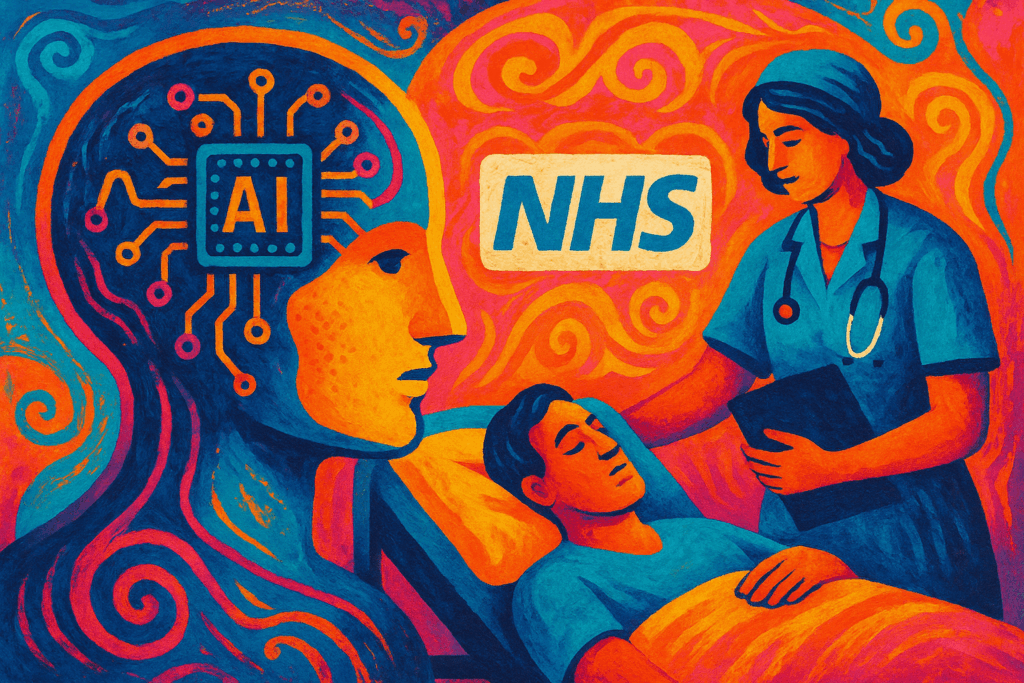
AI currently functions best as an assistant. Clinician oversight, confirmatory testing, and clear communication with patients are essential for safe deployment. Trust grows when tools are validated in local settings, results are interpretable, and workflows define responsibility and escalation paths.
Conclusion
AI is a powerful diagnostic tool for specific tasks but not a replacement for clinician judgment. Responsible adoption requires rigorous validation, ongoing monitoring, and preserved human oversight to deliver reliable, equitable care.