AI Catalyzes a New Era in Drug Discovery
Market forecasts project AI in drug discovery to expand roughly 25 to 30 percent annually over the next five years, driven by pressure to lower R&D costs and speed time to market. The effect is practical: computational models shrink candidate lists, prioritize targets and shorten preclinical cycles, shifting resources toward higher-value experimental testing and earlier clinical entry.
Core Drivers of AI’s Expanding Role
Streamlining Development and Costs
Traditional discovery is costly and slow. AI automates tasks that once required extensive wet lab screening, from virtual screening to predicting pharmacokinetics. That reduces the number of failed leads and concentrates laboratory work on the most promising molecules, trimming both calendar time and spend.
Computing Power Fuels Progress
Advances in high performance computing, GPUs and optimized cloud stacks let teams train larger molecular models faster. This compute backbone, supplied by major cloud and infrastructure providers, enables models to integrate chemistry, structural biology and real world data at scale.
Strategic Industry Collaborations
Pharmaceutical companies are increasingly partnering with AI specialists. Big pharma names such as Sanofi, Merck and Almirall are working with AI firms including Exscientia and BenevolentAI. Startups such as Formation Bio and platform advances from organizations like Google DeepMind are accelerating transfers from algorithm to assay.
Major Impact Areas and Recent Milestones
Targeting Critical Diseases
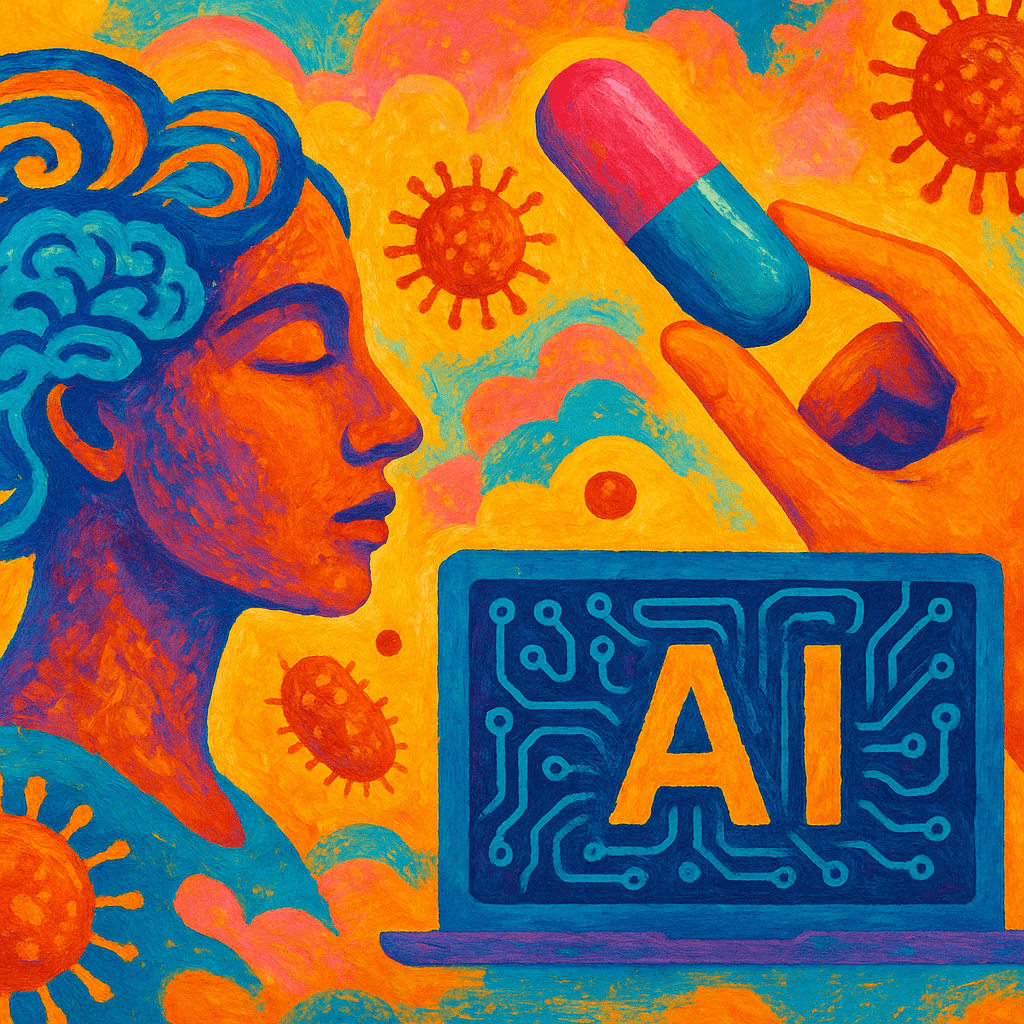
Oncology and infectious disease remain primary focus areas because of biological complexity and urgent clinical need. AI systems are being used to identify novel targets, predict resistance mechanisms and propose combination strategies.
Industry’s Latest Innovations
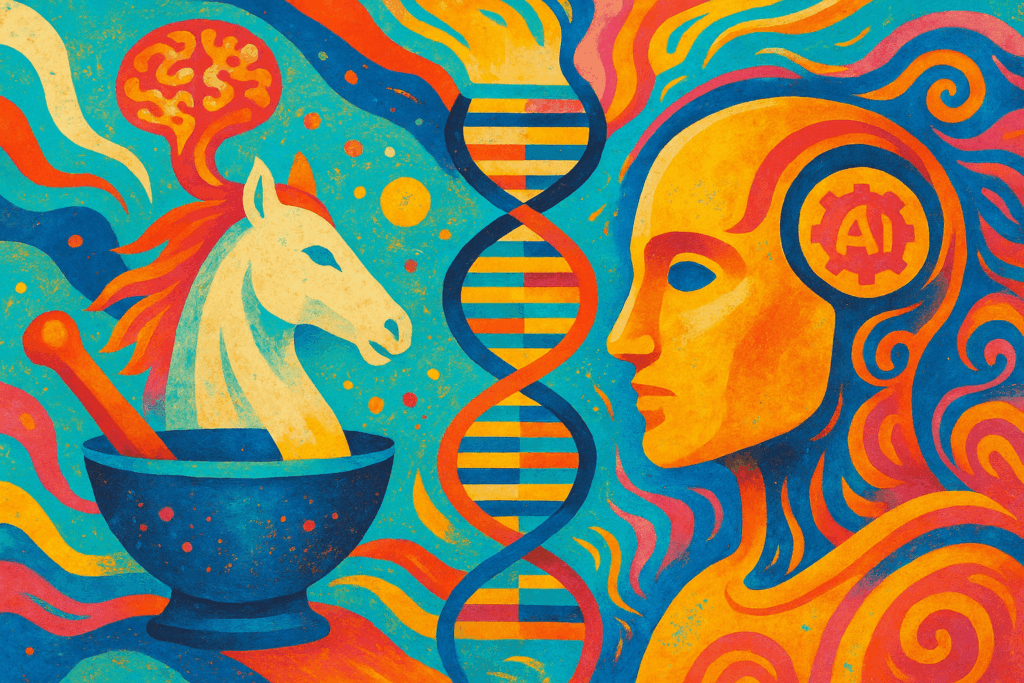
Notable milestones include improved protein structure prediction with tools such as AlphaFold 3 and AI-designed candidates from companies like Exscientia entering clinical testing. General purpose large models and specialized molecular platforms are also being adapted to support hypothesis generation and design.
The Path Forward for AI in Medicine
Adoption faces hurdles: data quality and interoperability, model interpretability, and regulatory pathways for AI-assisted therapeutics. Still, the trajectory points to faster ideation, more efficient candidate selection and a clearer route for translating computational insights into patient impact. Expect steady integration of AI across discovery workflows as technical, clinical and regulatory frameworks mature.