AI Transforms Diagnostics: A Quick Look at Latest Progress
Introduction: The Rise of AI in Medical Diagnosis
Artificial intelligence is moving from research labs into routine clinical use. Machine learning models now assist clinicians by spotting patterns in imaging, pathology slides, and physiologic signals that can be hard to detect visually. The result is faster triage, more consistent reads, and earlier disease detection in many settings.
Key Applications and Recent Breakthroughs
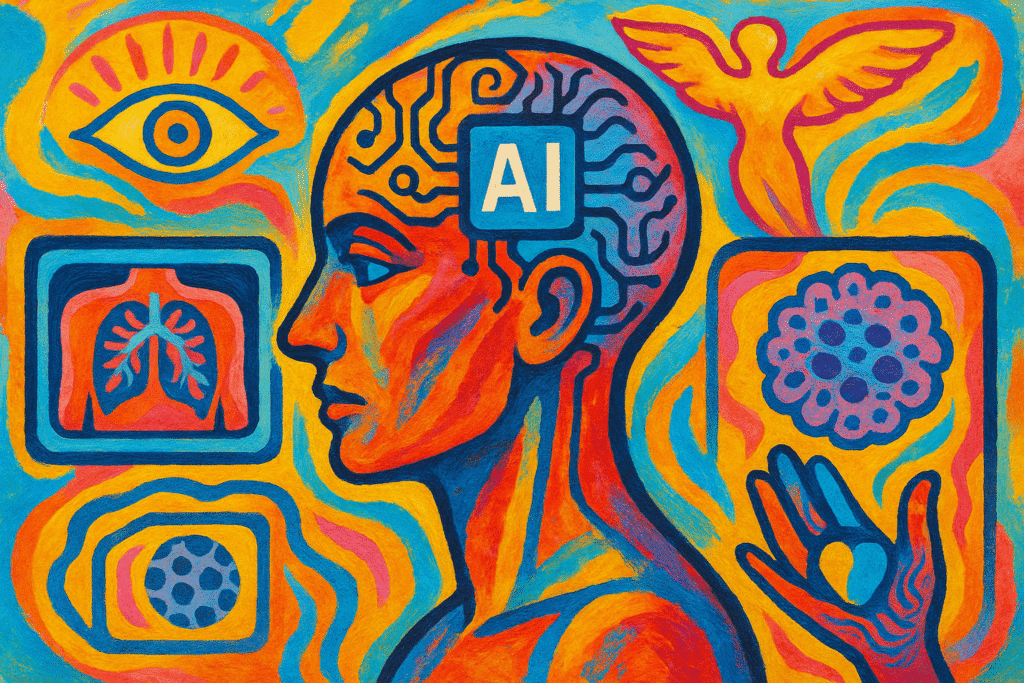
In radiology, AI tools help detect lung nodules, breast lesions, and stroke on CT scans. Several cleared products such as systems for stroke triage and diabetic retinopathy screening have established real-world utility. In pathology, algorithmic analysis of whole-slide images aids tumor classification and quantification of biomarkers. Ophthalmology uses AI for screening diabetic retinopathy and other retinal diseases, expanding access where specialists are scarce. Cardiology benefits from AI analysis of ECGs and echocardiography to flag arrhythmias and structural abnormalities.
Impact on Patient Care and Clinical Efficiency
AI-based diagnostics shorten time to actionable findings by prioritizing urgent cases and reducing manual workload for routine reads. For patients, that can mean quicker referrals and earlier treatment. For clinicians, automated quantification and standardized reporting lower variability across readers. Early evidence shows improved diagnostic sensitivity in some applications while maintaining acceptable specificity, supporting safer and more consistent decision making.
The Path Ahead for AI Diagnostics
Near-term trends include tighter integration with electronic health records, multimodal models that combine imaging with clinical data, and broader deployment in community settings. Key challenges remain data representativeness, regulatory alignment, and clinician workflow adoption. With ongoing validation and careful clinical implementation, AI diagnostics will become a routine support tool that helps clinicians reach decisions faster and with greater confidence.
Bottom line: AI is no longer hypothetical for diagnostics. It augments clinical practice across specialties and will expand its role as evidence and integration improve.