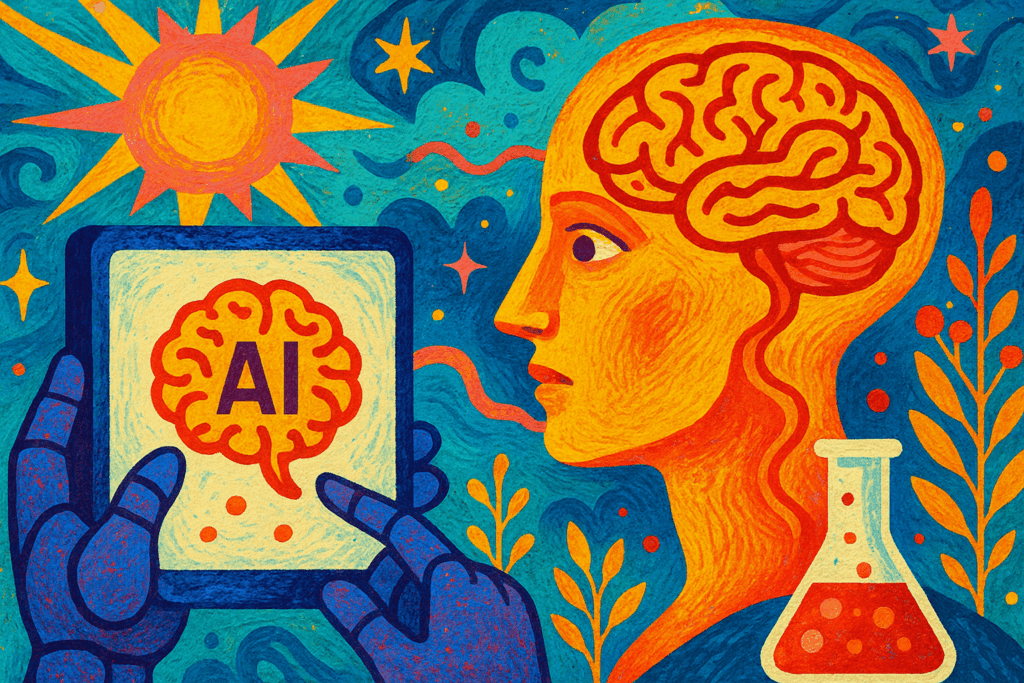

Artificial intelligence is moving quickly into clinical practice, sparking optimism and debate about its trustworthiness. This short, evidence-minded overview outlines where AI already performs well in diagnosis, the limits that affect real-world reliability, and how clinicians and AI can form a safe, productive partnership.
Promising Advances in AI Diagnosis
AI has delivered notable successes, particularly in image-based diagnosis. Algorithms for chest X-rays, retinal scans, and cancer screening such as mammography have shown high precision and recall in controlled studies, at times matching or exceeding specialist performance for narrowly defined tasks. AI also speeds routine triage, highlights patterns across large datasets, and is seeing growing deployment in hospitals, radiology workflows, and commercial diagnostic products.
Addressing AI’s Core Challenges
Despite progress, important limitations affect reliability. Data bias can produce unequal accuracy across age, ethnicity, or socioeconomic groups if training data are not representative. The so-called black box problem limits explainability, which complicates clinical decision making and accountability. Patient privacy is a persistent concern when models are trained on health records. Finally, models often struggle to generalize when moved to different hospitals, scanners, or patient populations where input characteristics diverge from training data.
The Path Forward: Partnership and Oversight
AI is most useful as a supportive tool rather than a stand-alone diagnostician. Robust external validation, prospective trials, continuous post-deployment monitoring, and transparent reporting of performance by subgroup are needed to build trust. Clinicians should retain final responsibility, using AI to accelerate pattern recognition and flag cases that need attention, while contributing clinical context and empathy. The best outcomes will come from a pragmatic partnership: AI’s scale and speed combined with human judgment, ethics, and patient-centered care.