Introduction: Why Revieve’s Report Matters for Health AI
Revieve’s “The Future Face of Beauty” report frames a 2030 vision where AI-driven diagnostics power hyper-personalized routines. For clinicians, technologists, and informed consumers, the report highlights how diagnostic systems move personal care from one-size-fits-all products to data-guided, adaptive regimens.
From Products to Precision: The Intelligence-First Shift
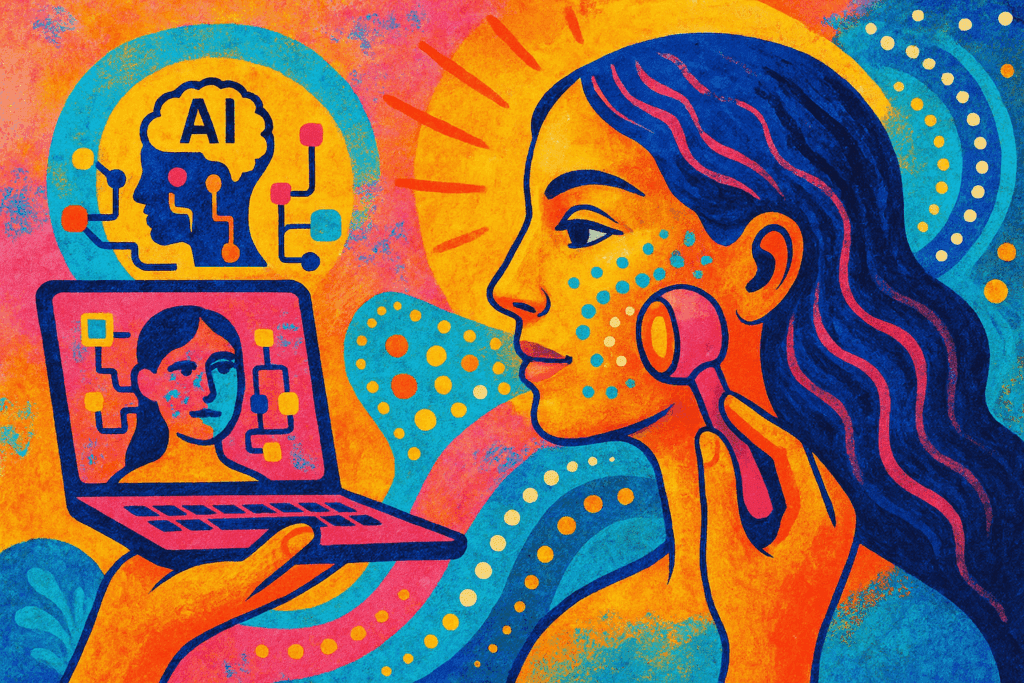
AI diagnostics use computer vision, multimodal sensors, and predictive models to convert skin images, biochemical signals, and behavioral data into actionable profiles. Computer vision algorithms quantify texture, pigmentation, and erythema. Wearables and mobile sensors track hydration, sleep, and UV exposure. Machine learning models synthesize these inputs and update recommendations in real time as new measurements arrive.
This intelligence-first approach reduces guesswork by matching interventions to measurable biomarkers and predicted trajectories. Personalization becomes a continuous loop: data collection, model inference, tailored suggestion, and outcome feedback. Privacy-preserving techniques such as federated learning let models improve across users without centralizing raw health data.
Integrating Beauty with Broader Health and Wellness
Diagnostics reveal links between skin status and systemic health. Inflammatory markers, hormonal shifts, and sleep quality can all show up in skin diagnostics and inform wellness plans. Brands and clinicians can use validated diagnostic outputs to recommend lifestyle, nutrition, or clinically directed care, bridging cosmetic outcomes with longevity and mental well-being.
The Future of AI in Personalized Experiences
By 2030, expect ecosystems that integrate device telemetry, electronic health records, and consumer-reported outcomes to create unified care pathways. Success will rely on tight integration of algorithms with human expertise: clinicians to interpret complex signals, regulatory frameworks to set safety baselines, and designers to deliver clear guidance to users.
For HealthAIInsiders.com readers, the main takeaway is practical. AI diagnostics will turn personal care into measurable, adaptive healthcare. The winners will be solutions that combine robust data, transparent models, and human oversight to produce safer, more effective individualized plans.