The Future of Health: AI’s Role in Modern Diagnostics
Artificial intelligence is moving from research labs into everyday clinical care, changing how clinicians detect, triage, and track disease. Shorter turnaround, more consistent interpretation, and new predictive signals are shifting diagnostic workflows across hospitals, clinics, and labs. This brief explains where AI is already making an impact and what health systems should watch for next.
AI: Reshaping Diagnostic Practice
Precision in Medical Imaging
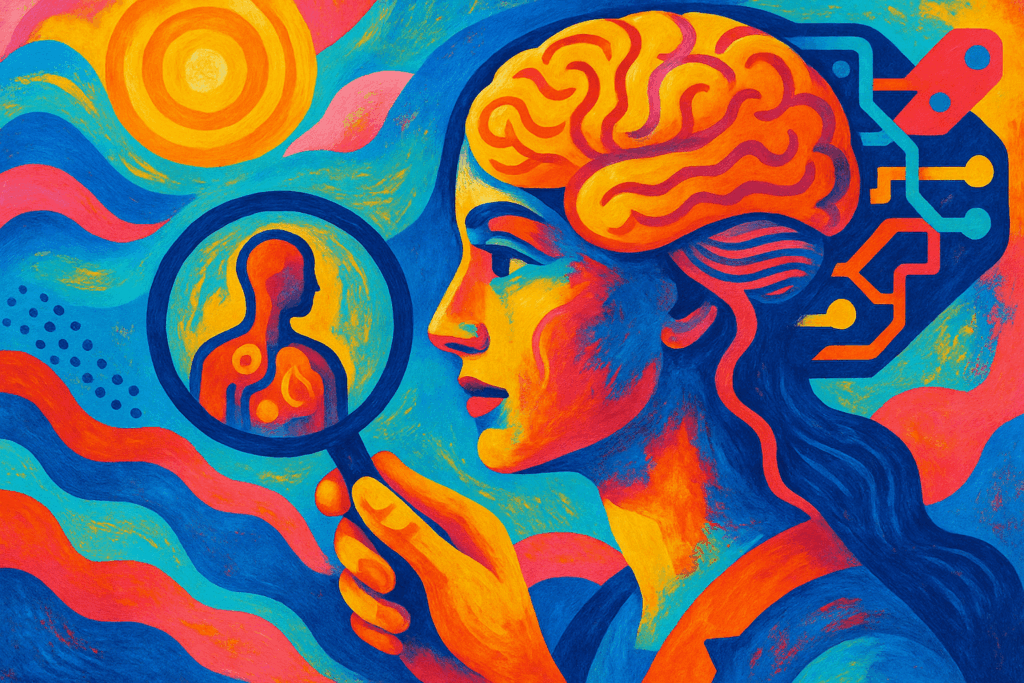
Machine learning models analyze MRIs, CTs, and X-rays to flag abnormalities that may be subtle or easily missed on first read. These tools can accelerate interpretation, prioritize urgent cases such as stroke or pulmonary embolism, and reduce variability between readers. Several image-based algorithms now have regulatory clearance for specific tasks, and radiology teams are using them as a second opinion to improve early detection rates.
Beyond Imaging: Predictive Insights
AI is extending into pathology, genomics, and electronic health record data to predict disease risk, treatment response, and adverse events. Digital pathology models can classify tissue patterns at scale. Genomic analysis powered by AI helps identify drivers of disease and potential biomarkers. Risk models that combine labs, medications, and vital signs are used for early warning of sepsis or readmission, aiding proactive care.
What’s Next for AI Diagnostics?
Adoption depends on robust validation, transparent performance, and smooth integration with clinical systems. Emerging trends include federated learning to protect patient privacy, greater emphasis on model explainability, and trials linking AI-driven diagnosis to improved outcomes. Regulators and payers are increasingly focused on reliability and bias mitigation, which will shape commercial uptake and reimbursement.
Conclusion
AI is turning data into actionable diagnostic insight across imaging, labs, and clinical records. The most effective deployments will combine validated algorithms, clinician oversight, and attention to equity and privacy. HealthAIInsiders will continue to track innovations, approvals, and real-world evidence that determine how AI transforms diagnosis and patient care.