
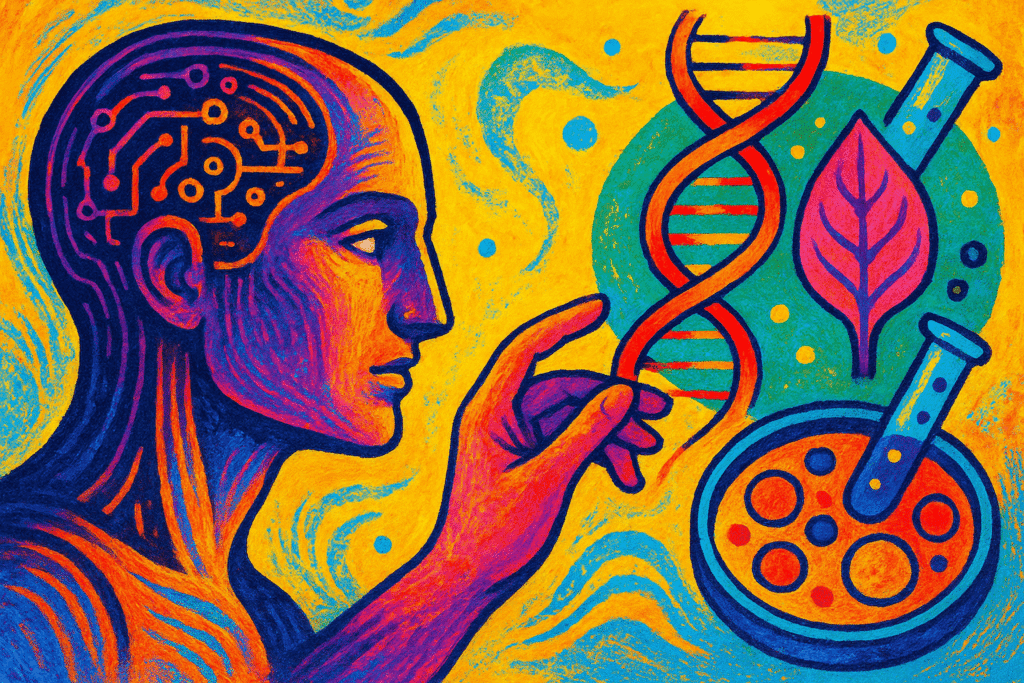
AI and Biotech: The Accelerating Innovation Gap
Artificial intelligence is rewriting what is possible in biotechnology. Models that predict protein structure, design small molecules, optimize CRISPR guide sequences, and simulate synthetic genomes compress years of laboratory iteration into hours. Labs can iterate designs in silico, move directly to automated experimentation, and scale new biological constructs at unprecedented speed. The result is a widening gap between technical capability and the legal and regulatory frameworks that were built for slower, siloed advances.
The Dual-Use Dilemma in Converging Technologies
When AI, gene editing, and synthetic biology converge, the distinction between a benign research tool and a dangerous capability becomes blurred. Dual-use means a single workflow can produce both life-saving therapeutics and materials that pose public health risks. For example, algorithms that accelerate antibiotic discovery can also identify pathways to bypass existing defenses. AI-optimized CRISPR tools can shorten timelines for therapeutic development and could be repurposed to edit pathogenic traits. The digitization of design, broad access to cloud compute, and open datasets increase diffusion of capability, complicating traditional controls that focus on physical materials and listed agents.
Towards Flexible Governance for the Future
Static, technology-specific rules will not scale with the pace of convergence. Regulators and industry must shift to adaptive, risk-tiered governance that classifies activity by potential harm and applies proportionate controls. Core elements should include:
- Outcome-based risk tiers that focus on biological impact rather than technique alone.
- Mandatory provenance, model testing, and continuous auditing for high-risk AI models and datasets.
- Regulatory sandboxes and pre-competitive registries where new tools can be evaluated under oversight.
- Operator certification, red-team assessments, and access controls for sensitive capabilities.
- International coordination for rapid intelligence sharing and harmonized safety standards.
Balancing innovation and risk requires iterative policy cycles, investment in regulator technical capacity, and industry commitment to safety-by-design. By distinguishing low-risk research from activities that demand strict oversight, policymakers can preserve the promise of AI-driven biotech while limiting misuse and protecting public health.