Why early detection matters — and why AI now matters more
Finding disease earlier saves lives, reduces treatment complexity, and lowers system costs. Recent advances in artificial intelligence use pattern recognition and predictive modeling to spot subtle signals that humans can miss, shifting care from reactive to preventive.
How AI boosts diagnostic accuracy
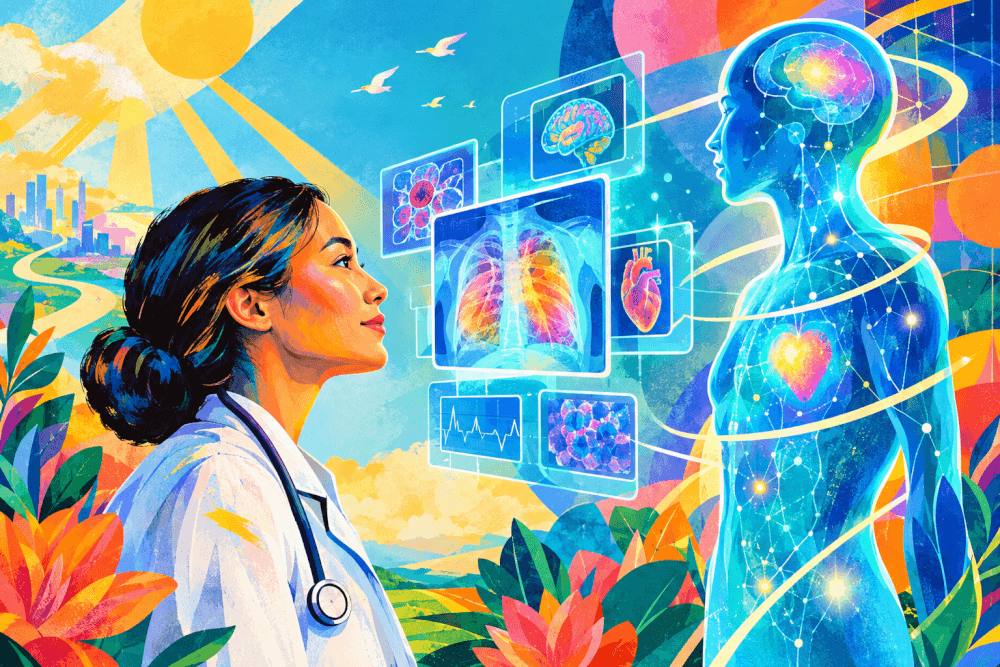
Machine learning models applied to medical images, genomics, and electronic health records can improve sensitivity and specificity for conditions such as cancer, cardiovascular disease, and sepsis. In radiology, AI highlights faint lesions and standardizes measurements. In genomics, algorithms detect combinations of variants that raise long-term risk. Real-time analysis of EHR data can flag early signs of deterioration, giving clinicians a head start on intervention.
Expanding access and stopping progression earlier
AI tools deployed in clinics, community centers, and through mobile devices can bring diagnostic capability to areas with few specialists. Remote screening powered by automated image readouts or wearable-derived algorithms helps identify people who need confirmatory testing or faster referral. For patients, earlier detection often means less invasive treatment, better outcomes, and fewer hospital stays.
The path forward: challenges and promise
Adoption faces real obstacles. Model bias, gaps in diverse training data, privacy concerns, and integration with clinician workflows all require attention. Regulatory review and transparent performance reporting are needed so clinicians know when and how to trust AI outputs. Still, when models are validated across populations and paired with clear clinical pathways, AI can become a reliable ally that augments clinician judgment rather than replacing it.
Short-term priorities include robust prospective studies, standards for real-world performance, and investments in clinician education so teams can use AI safely and effectively. Long-term, AI-driven screening and risk stratification could reduce late-stage disease and reshape preventive care delivery.
AI is not a magic fix, but its growing ability to detect subtle signs earlier promises meaningful gains for patients and health systems. Clinicians and policymakers who focus on evidence, equity, and workflow fit will be best positioned to capture those benefits.