Multimodal AI at the Point of Care: Faster, Smarter Diagnostics
The Breakthrough Defined: What’s New?
Clinics and hospitals are beginning to deploy multimodal AI systems that fuse imaging, laboratory results and electronic health record notes to deliver real-time diagnostic suggestions. Unlike single-input models that process only images or only labs, these systems combine different data types so outputs reflect a broader clinical picture. The novelty is less about raw accuracy and more about workflow integration: models now return context-aware, time-sensitive guidance at the bedside or in the clinician inbox.
Impact on Practice & Patients
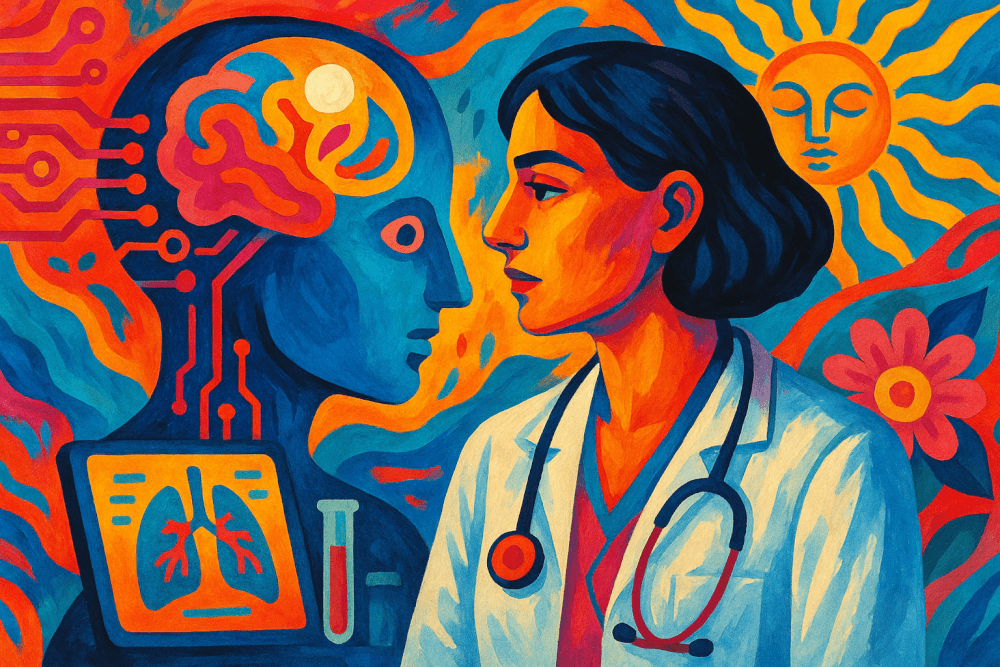
For clinicians, multimodal AI can speed decision making during triage, reduce diagnostic tests when probabilities are low, and flag high-risk patients earlier. For example, a system could combine chest x-ray findings with recent vitals and medication history to prioritize patients for follow-up or admission. Patients benefit from faster evaluation and more personalized risk estimates that account for recent labs and notes, not just a single scan. Health systems may see fewer unnecessary transfers, reduced length of stay for some cohorts, and improved allocation of specialist time. Early adopters report higher clinician acceptance when AI outputs are transparent, linked to data sources, and presented as actionable suggestions rather than verdicts.
Challenges & Opportunities
Adoption hurdles include data interoperability, model validation across diverse populations, and workflow friction. Integrating AI with major EHRs can be technically complex and costly. There are also ethical and legal questions about responsibility when AI advice influences care, and about model bias when training datasets underrepresent certain groups. On the regulatory front, vendors must navigate evolving guidance for adaptive models and real-world performance monitoring. Yet there is opportunity: robust external validation studies, federated learning approaches, and clinician-in-the-loop designs can improve safety and trust. Payers and regulators are increasingly focused on measurable clinical benefit, which creates a path for reimbursement tied to validated outcomes.
Conclusion: The Road Ahead
Multimodal AI is moving from research into routine care by delivering richer, context-aware recommendations at the point of care. Success will depend on transparent validation, tight EHR integration, and clear governance that balances innovation with patient safety. For clinicians and health leaders, the next 12 to 24 months will show whether these systems shift from promising pilots to sustainable clinical tools.