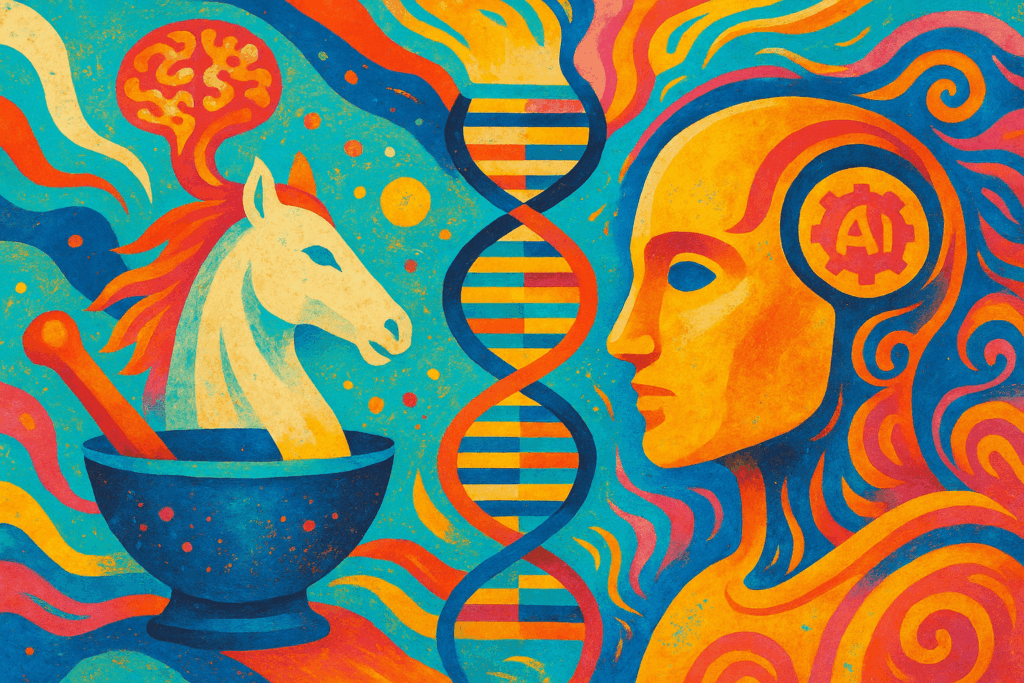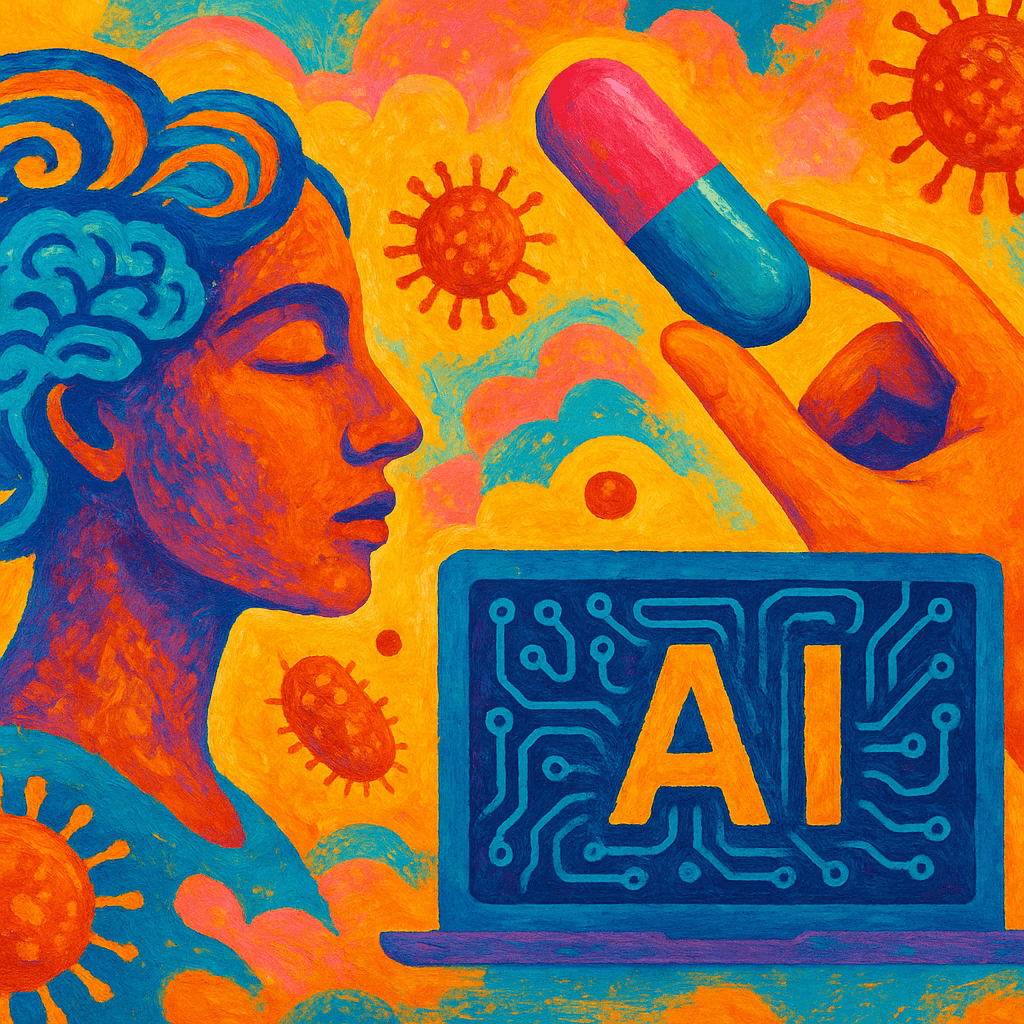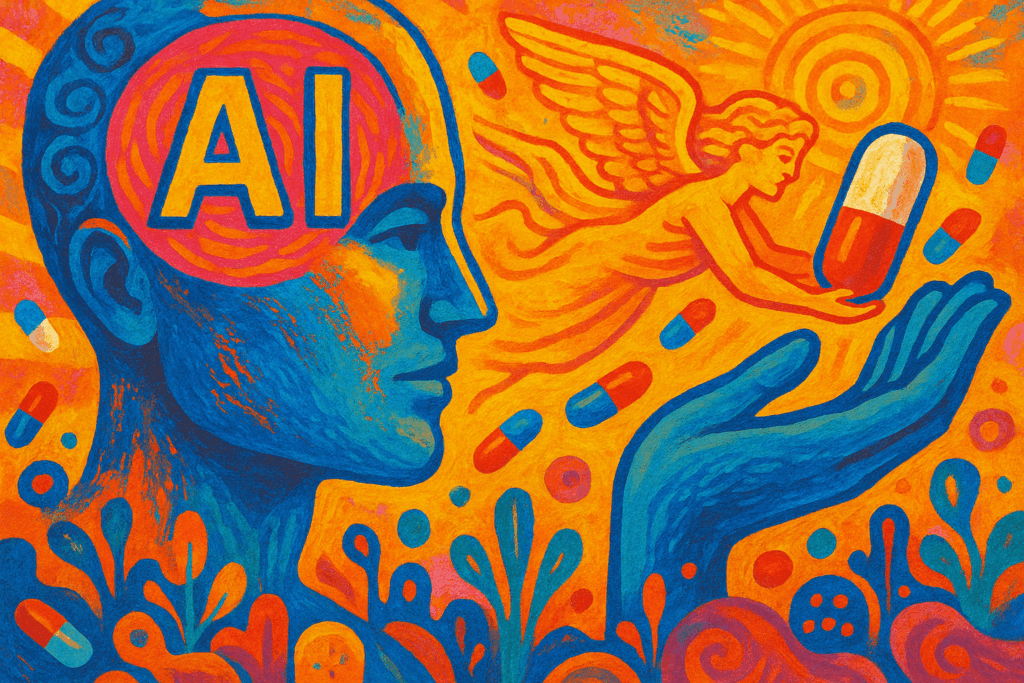
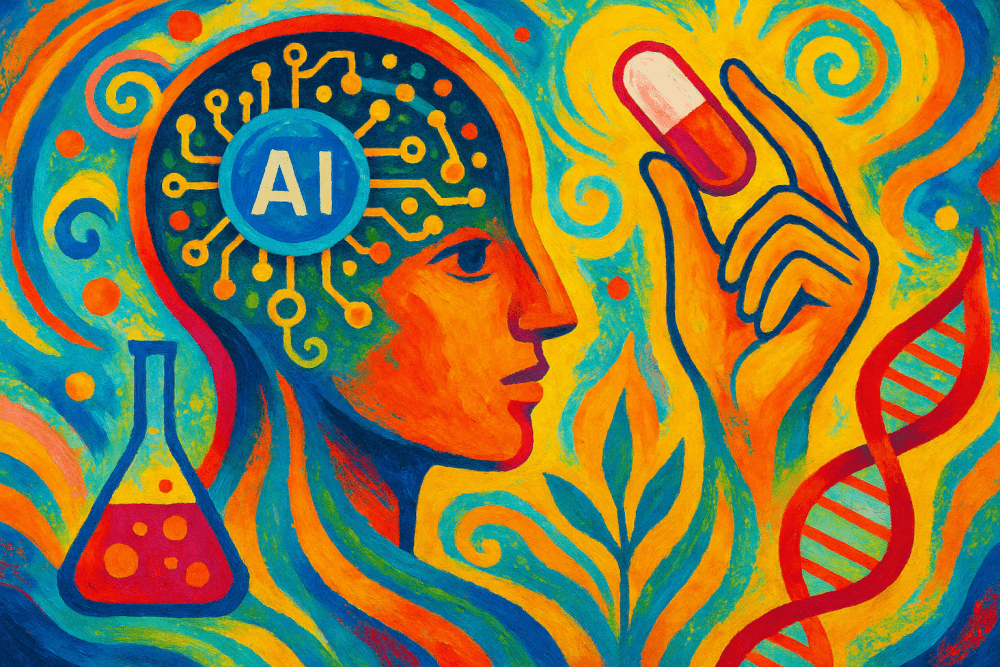
Artificial intelligence is rapidly shifting the economics and timelines of drug discovery. By applying machine learning and deep learning across discovery workflows, companies can prioritize targets faster, propose novel molecules, and reduce late-stage failures. For researchers and R&D leaders this means more focused experiments, lower spend on dead-end candidates, and accelerated paths toward first-in-human studies.
Speeding Up the Lab: How AI Changes Drug R&D
Target Identification & Molecule Design
AI systems analyze vast biological datasets to surface disease drivers and druggable targets that human review might miss. Once targets are defined, generative models propose candidate compounds with desired properties. These platforms synthesize knowledge from genomics, proteomics, structural biology, and medicinal chemistry to suggest molecules with optimized binding and synthetic feasibility. That reduces the number of physical screens and directs chemists toward higher-probability leads.
Predictive Power
Predictive modeling helps forecast efficacy, off-target activity, and toxicity earlier in the pipeline. Machine learning classifiers and physics-informed neural networks score candidates for ADME properties and safety signals before costly in vivo work. The result is a narrower, higher-quality candidate set entering preclinical studies, which lowers attrition and shortens timelines to IND filings.
The Future Landscape: Smarter Drug Development
The next phase is integration. AI models will connect discovery, preclinical data, and clinical readouts to create continuous learning pipelines. That can unlock new therapeutic modalities, repurpose existing compounds, and enable adaptive trial designs informed by real-world and biomarker data. For pharma executives and biotech investors the opportunity is tangible: reduced cost per approved drug, faster time to market, and the potential to target previously intractable diseases. Challenges remain, including data quality, model interpretability, and regulatory acceptance, yet the strategic advantage of AI-driven R&D is already visible in partnerships, venture flows, and accelerated programs. Leaders who combine domain expertise with robust AI infrastructure will set the pace for the next decade of drug development.