The Eye: Your New Diagnostic Window with AI
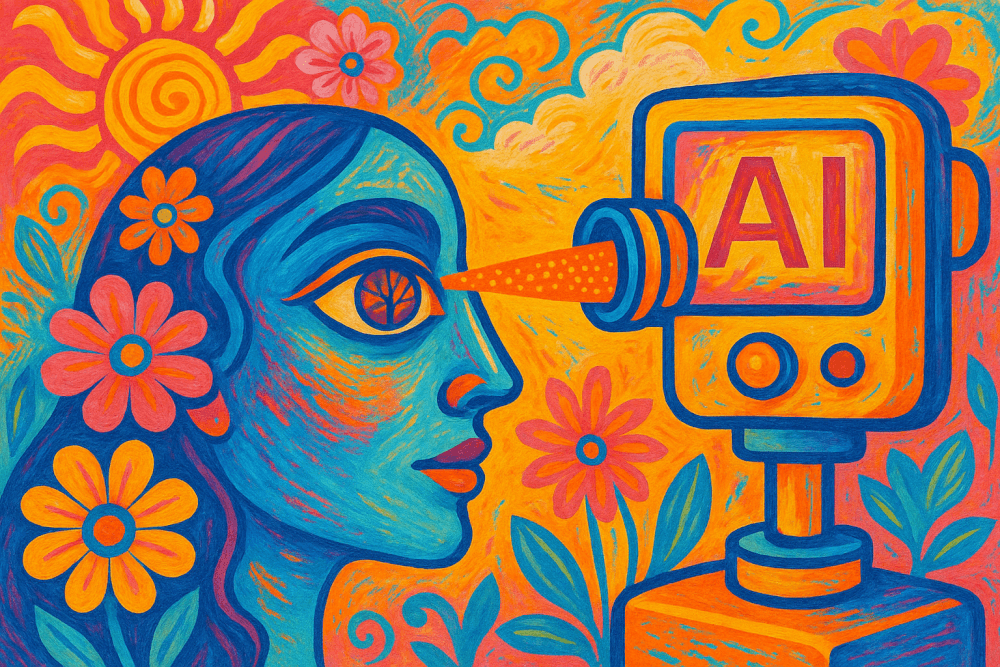
Imagine a routine eye photo that also flags a pregnant patient at higher risk of preeclampsia. That is the promise of retinal AI: software that reads subtle changes in the tiny blood vessels of the retina to produce an immediate risk score. Because the retina is one of the few places doctors can directly view blood vessels, it provides a clear signal about systemic vascular health without needles or scans.
From Lab to Clinic: The Path for Retinal AI
Research shows retinal images can carry patterns linked to blood pressure, diabetes, and pregnancy complications. But moving from research models to everyday care means proving two things: that algorithms are accurate across different cameras and patient groups, and that clinicians and patients can trust those results. This requires large, diverse datasets, independent validation studies, transparent model reporting, and clear regulatory pathways so clinicians know when and how to act on a result.
Unlocking Broader Health Benefits
For retinal AI to reach its potential, vendors, health systems, and regulators must align on performance standards, privacy safeguards, and fair access. Practical steps include testing across device types, monitoring real-world outcomes, training clinicians to interpret scores, and creating reimbursement models so screenings are available in routine care. When these pieces fall into place, retinal screening could shift care from reactive to proactive: catching risk earlier, targeting monitoring or treatment, and reducing complications.
Retinal AI will not replace clinical judgment, but it can become a fast, non-invasive triage tool that brings preventative care to more people. With robust validation and sensible rules for use, an eye photo could soon be a low-cost gateway to earlier intervention and better outcomes for conditions like preeclampsia and more common vascular diseases.