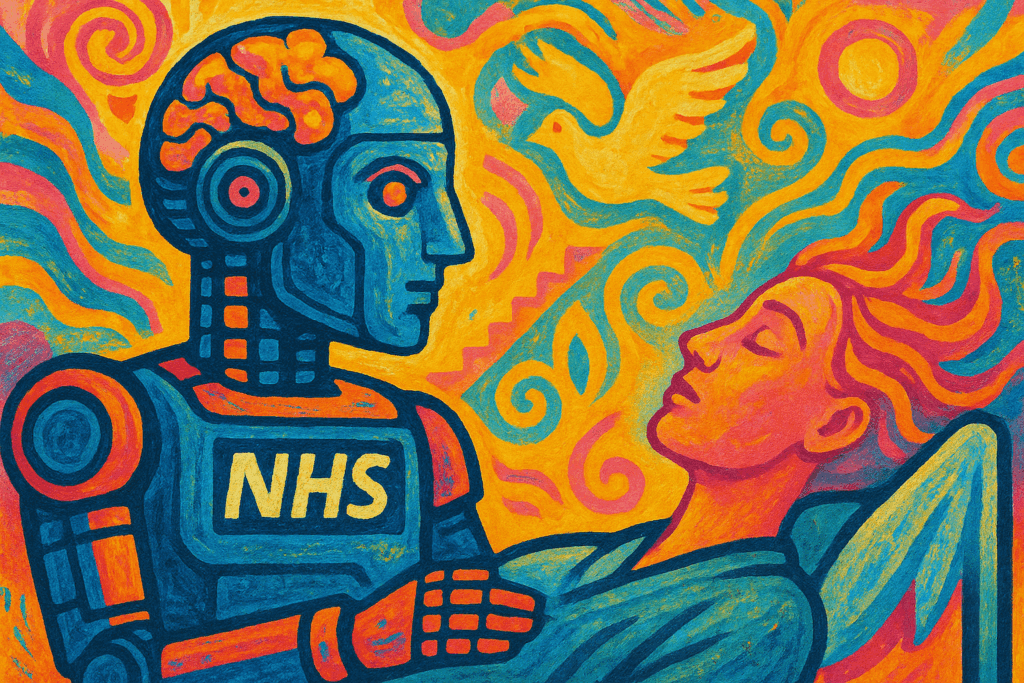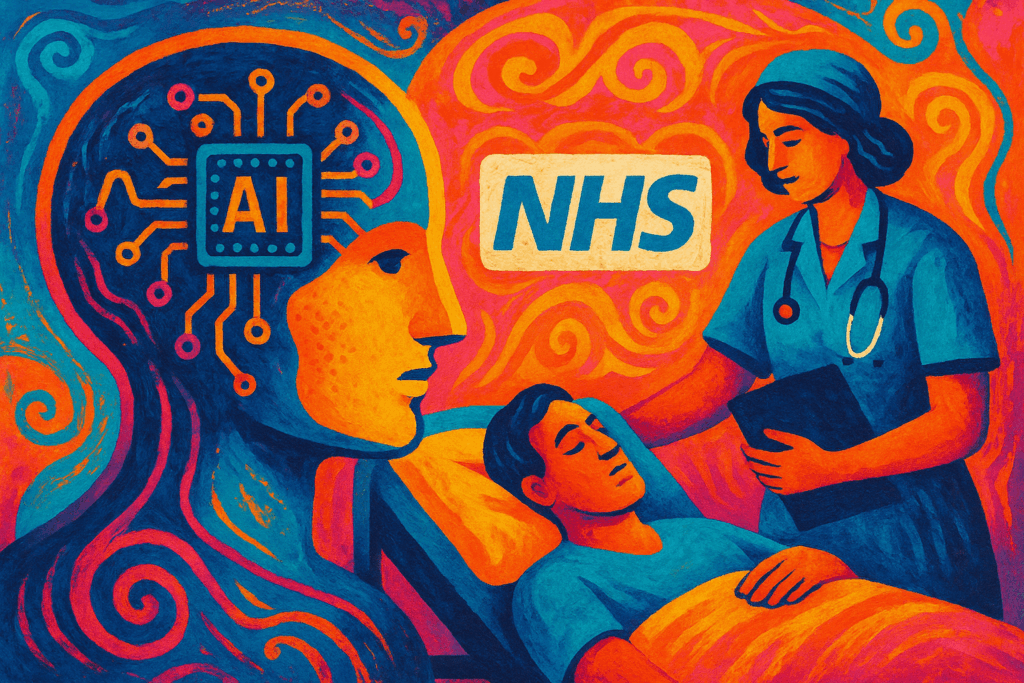
A Global Dialogue on Ethical AI
The Council of Europe, working with the OECD and the Alan Turing Institute, has opened a high-level conversation on the human rights implications of artificial intelligence in healthcare. Their work frames AI not just as a technical opportunity but as a public service subject to legal and ethical standards that protect patient dignity, privacy, and non-discrimination.
Balancing Innovation with Patient and Professional Safety
AI tools can improve diagnostics, personalize care and reduce clinician workload, but they also introduce risks. Key concerns include threats to individual dignity, breaches of medical confidentiality, biased decision-making and gaps in accountability when systems fail. Protecting both patients and healthcare professionals requires attention to safety, effectiveness and trust at every stage of design and deployment.
Practical steps include transparent model reporting, clinician-centered workflows, clear lines of responsibility, and ongoing performance monitoring in real-world practice. These measures help reduce harm and maintain confidence among users and the public.
Frameworks for Responsible AI Deployment
Participants highlighted the HUDERIA risk and impact assessment methodology as a pragmatic tool for identifying and reducing rights-related harms in health AI projects. HUDERIA guides teams through hazard identification, user needs, data governance and mitigation measures.
Existing human rights instruments, such as the Oviedo Convention on human rights and biomedicine, provide legal and ethical anchors. Combining such conventions with sector-specific risk assessments creates a layered approach: international norms, national regulation and project-level controls.
Towards a Collaborative and Trustworthy Future
Speakers called for multi-stakeholder governance that includes policymakers, health professionals, patients, developers and independent experts. This collaborative model supports robust auditability, equitable access and continuous improvement.
In short, scaling AI in healthcare responsibly means embedding human rights into design, assessment and oversight. Doing so aligns innovation with patient protection and builds the public trust needed for wider adoption.
Quick answers
- Primary ethical priorities: patient dignity, privacy, non-discrimination, accountability.
- Leading organizations: Council of Europe, OECD, Alan Turing Institute.
- Assessment tools: HUDERIA and established legal frameworks like the Oviedo Convention.
- Why multi-stakeholder work matters: it balances technical capability with ethical and legal safeguards.