
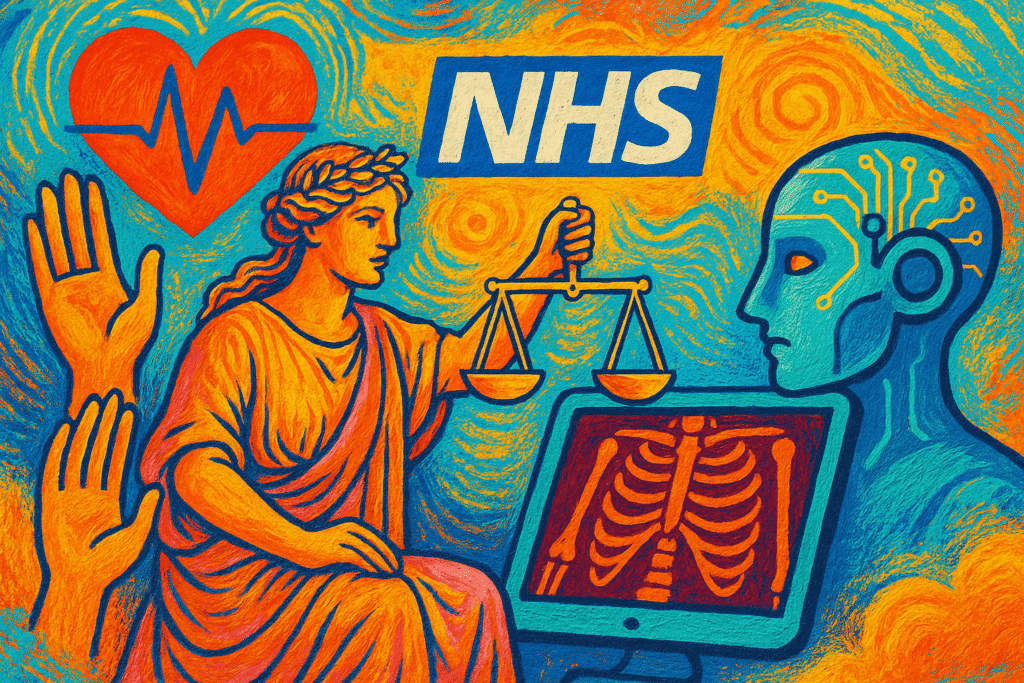
The NHS is now defending the first clinical negligence claims tied to AI-driven diagnoses. Cases alleging missed findings on AI-assisted X-rays mark a turning point for how courts, regulators and health systems assign responsibility for algorithmic errors.
AI’s Legal Crossroads
The First Claims and Core Dilemma
These early claims challenge medical negligence law that assumes human judgment. Plaintiffs say AI output contributed directly to missed or delayed diagnoses. Courts must decide whether a clinician who used the tool remains the primary actor, or whether responsibility shifts when an algorithm influences care. That question matters because legal standards and remedies differ when blame attaches to a practitioner, a hospital trust, or a software developer.
Shifting Lines of Responsibility
Clinicians, Trusts, and Developers
Liability is contested along three axes. Clinicians argue they follow decision-support output; trusts say they procured tools under tight budgets and oversight; developers maintain many products are advisory, not autonomous medical devices. Classification is a core fault line: if a tool is a regulated medical device, developers may face higher duties and post-market obligations. If it remains decision-support, liability tends to rest with clinicians and the employing trust. The paradox: services need AI to manage workload gaps, yet adoption increases perceived legal exposure.
Shaping Future AI Adoption
Impact on Innovation and Regulation
How liability is apportioned will shape procurement, contracts and design choices. If courts push risk onto providers, hospitals may restrict AI use or add defensive workflows. If developers bear more legal exposure, vendors will demand stricter regulatory clarity, warranties, and indemnities, and may slow rollouts pending MHRA guidance and clearer standards for validation and explainability. Investors and product teams will watch whether liability drives more conservative feature sets and stronger post-market surveillance.
The Path Ahead
Policy papers matter, but legal rulings will set practical precedents. Health system leaders, legal teams and developers should review contracts, validation evidence and governance now. The coming court decisions will determine whether AI becomes a managed asset or a managed risk for the NHS and its suppliers.