
AI’s Growing Role in Timely Diagnosis
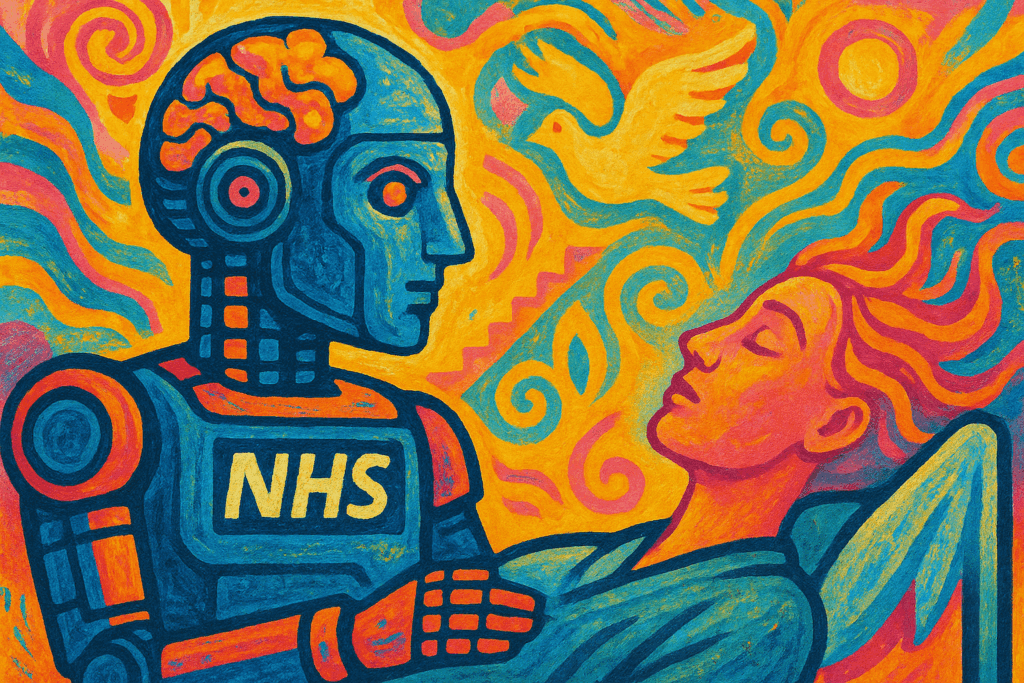
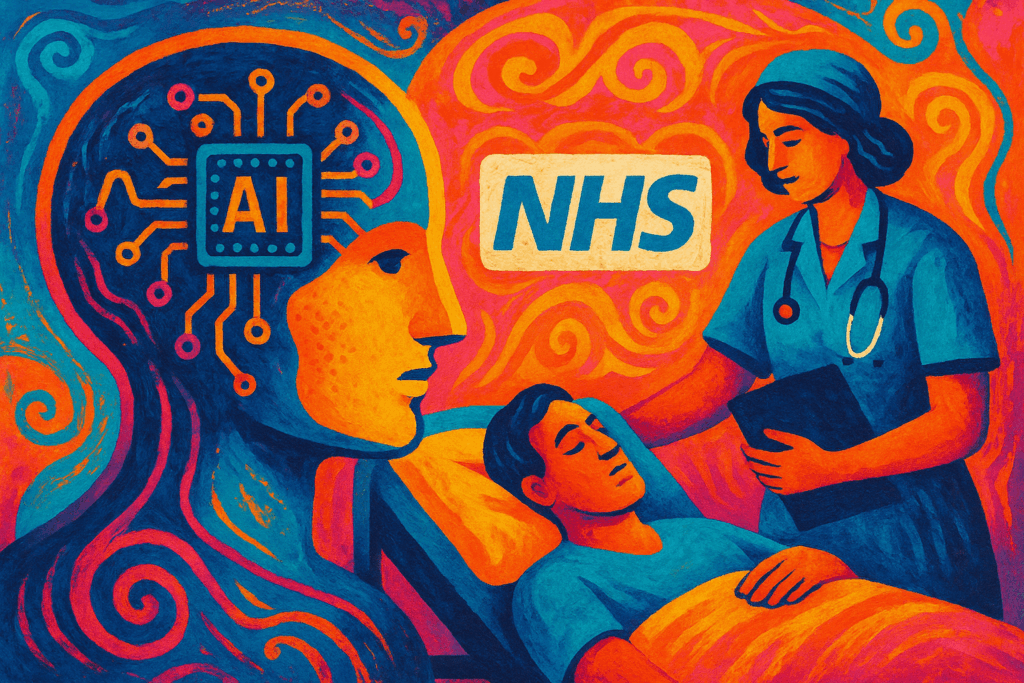
Artificial intelligence and machine learning are shifting diagnostics from reactive to proactive. By spotting subtle patterns in imaging, molecular data, and electronic health records, AI tools are helping clinicians identify disease earlier, when interventions can have the greatest impact.
Specific Applications: From Imaging to Genomics
Imaging Insights
Deep learning models now assist radiologists in detecting findings that are easy to miss on MRI, CT, and X-ray. Examples include lung nodule screening, mammography triage, and automated stroke detection workflows that prioritize urgent reads. Some FDA-cleared systems operate in routine clinical settings, reducing time to diagnosis and guiding faster treatment decisions.
Predictive Power
Beyond images, AI analyzes genomics, pathology slides, and longitudinal EHR data to predict disease risk. Liquid biopsy platforms use machine learning on cell-free DNA to flag potential cancers earlier. Predictive models can also identify patients at high risk for sepsis or heart failure, enabling targeted follow up and preventive care.
Impact on Patient Care and Outcomes
Earlier detection translates into more treatment options, lower morbidity, and often better survival. For patients it can mean fewer invasive tests and more personalized care plans. Clinicians gain decision support that focuses attention where it matters most, improving workflow and potentially lowering costs across the system.
The Path Ahead: Challenges and Collaboration
Wider adoption depends on high-quality data, rigorous clinical validation, and transparent performance across diverse populations. Privacy, interoperability, and fair reimbursement models remain barriers. Progress requires collaboration among clinicians, data scientists, regulators, and payers to build trustworthy, scalable solutions.
Conclusion
AI is already changing how diseases are detected, with tangible benefits in imaging, genomics, and predictive analytics. While limitations and ethical questions remain, coordinated validation and responsible deployment can help realize a future where earlier diagnosis meaningfully improves outcomes for more patients.