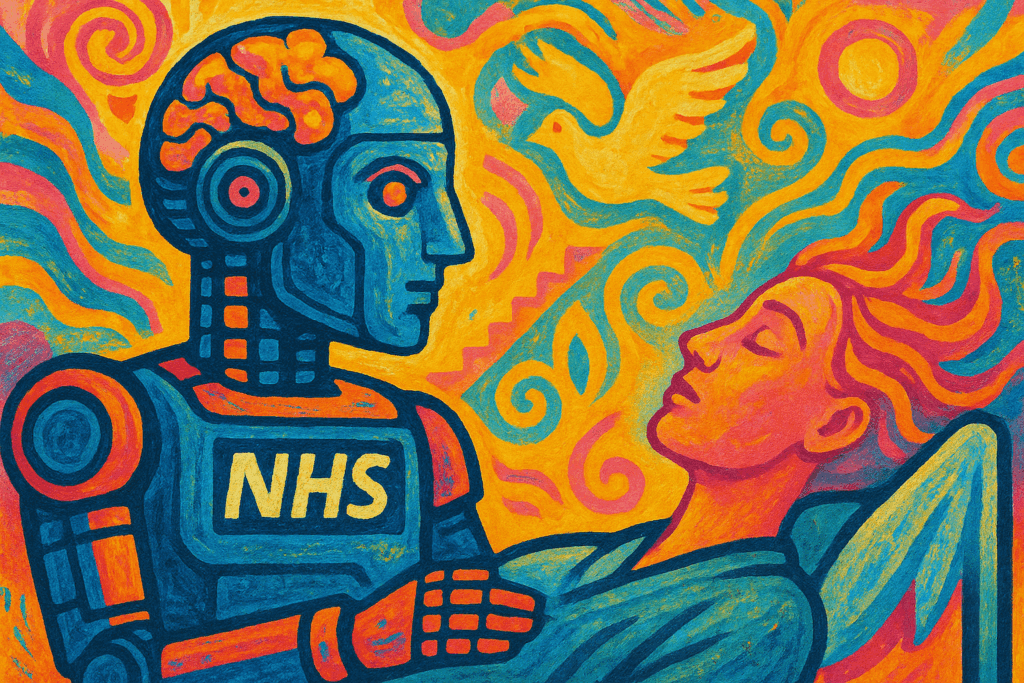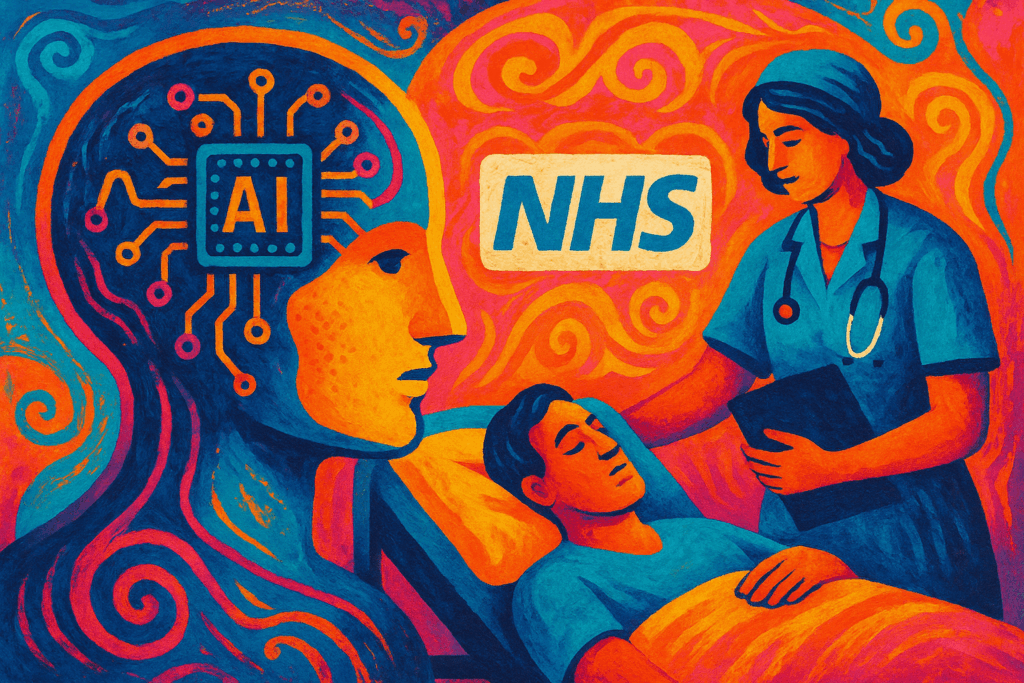

California is considering measures to limit or ban certain AI-powered mental health tools. Lawmakers cite patient safety and ethical risks, while users and developers warn that restrictions could reduce access to care. This article summarizes the bill landscape, why people turn to AI chatbots, and the trade-offs for healthcare and technology stakeholders.
California’s Legislative Push Against AI Therapy
State legislators have introduced proposals targeting AI systems marketed as therapists or clinical tools. Core concerns include unvalidated clinical claims, lack of licensed human oversight, unclear liability when harm occurs, and gaps in data protection. Regulators argue that without clear standards, AI that provides diagnoses, treatment recommendations, or therapeutic interventions could put vulnerable people at risk.
The Growing Reliance on AI for Mental Wellness
Despite regulatory alarm, tens of thousands of users engage with chatbot-based mental health services. Drivers include long waitlists for therapists, high costs of care, demand for anonymity, and 24/7 availability. For many, chatbots act as an entry point for support, symptom tracking, or crisis triage when traditional services are unreachable.
Balancing Innovation and Oversight
AI can increase reach and reduce barriers, but evidence of clinical effectiveness varies. Risks include inaccurate advice, amplification of bias from training data, insufficient informed consent, and weak incident reporting. A balanced approach would require clinical validation, clear labeling of tool capabilities and limits, data governance, and pathways for clinician escalation. Developers and providers will need to clarify accountability and safety mechanisms.
What This Means for the Future of AI in Healthcare
California’s actions could set national precedent, prompting federal guidance or state-level frameworks elsewhere. Potential outcomes range from tighter product certification and clinical partnerships to companies relocating or narrowing product claims. For investors and health systems, expecting stronger evidence, transparent risk management, and regulatory-aligned design will be important as AI moves from experiments toward mainstream care.
For policymakers and industry leaders, the challenge is to protect users without stifling tools that expand access. Practical next steps include standardized testing, mandatory disclosure of limitations, and pilot programs that pair AI tools with licensed clinicians.