AI Reshaping Healthcare’s Frontier
Artificial intelligence is moving beyond experimental pilots into workflows that touch diagnosis, treatment planning, clinical research, and hospital operations. Clinicians, administrators, and investors are watching how algorithms streamline decision making, shorten development timelines, and free care teams to focus on patients.
Precision in Diagnosis and Personalized Care
Machine learning models analyze medical imaging, pathology slides, and continuous patient data to improve detection of conditions such as cancer and cardiovascular disease. AI can flag subtle patterns that humans may miss, prioritize high-risk cases, and supply decision support at the point of care. Combined with genomics and patient history, predictive models help tailor treatment plans and dosing strategies to individual needs, increasing the likelihood of better outcomes.
Accelerating Drug Discovery and Operations
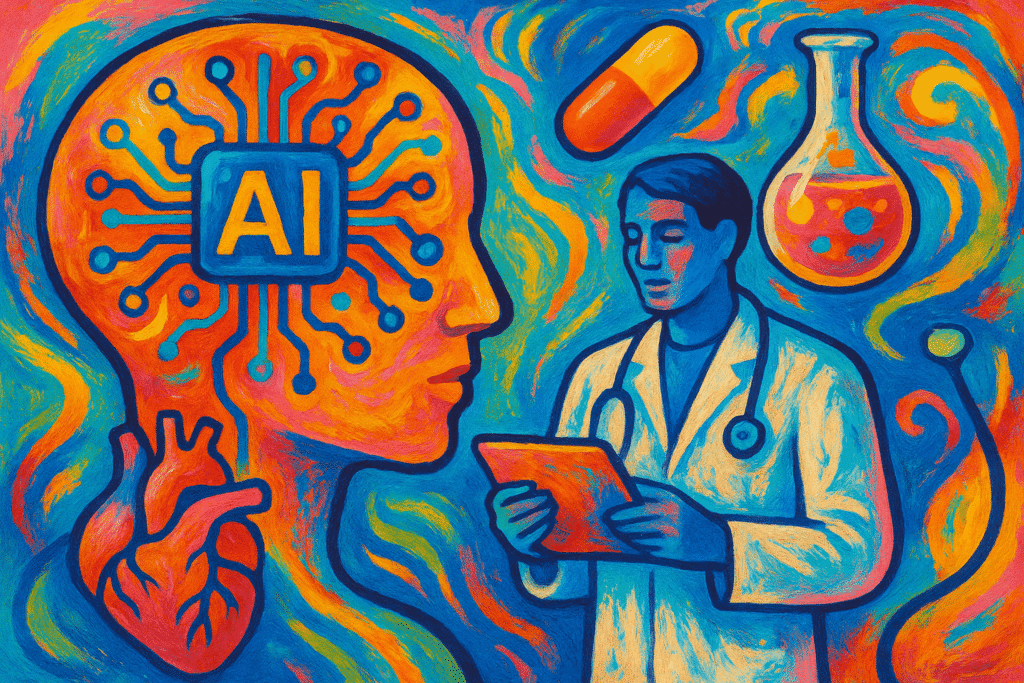
AI speeds early-stage drug research by predicting molecular properties, suggesting candidates, and optimizing trial design. Generative algorithms shorten ideation cycles and funnel higher-quality leads into preclinical testing. In clinical settings, AI optimizes staffing, reduces wait times, predicts admissions, and automates routine documentation, cutting operational costs and improving patient flow.
Addressing Ethical and Practical Hurdles
Adoption faces data privacy concerns, algorithmic bias, and questions about accountability when errors occur. Interoperability with electronic health records and clinician workflows remains a major barrier. Regulators are evolving frameworks for validation and post-market surveillance, but widespread trust requires transparent models, representative data sets, and clear liability pathways.
The Future of Health, Powered by AI
Near-term trends include multimodal models that combine images, genomics, and clinical notes, wider use of federated learning to protect privacy, and more robust real-world evidence generation. As regulation and standards mature, the most effective implementations will pair AI with clinician expertise, focus on measurable patient benefits, and prioritize equitable access. For professionals and leaders, staying informed and participating in pilot programs will be key to shaping responsible AI adoption.