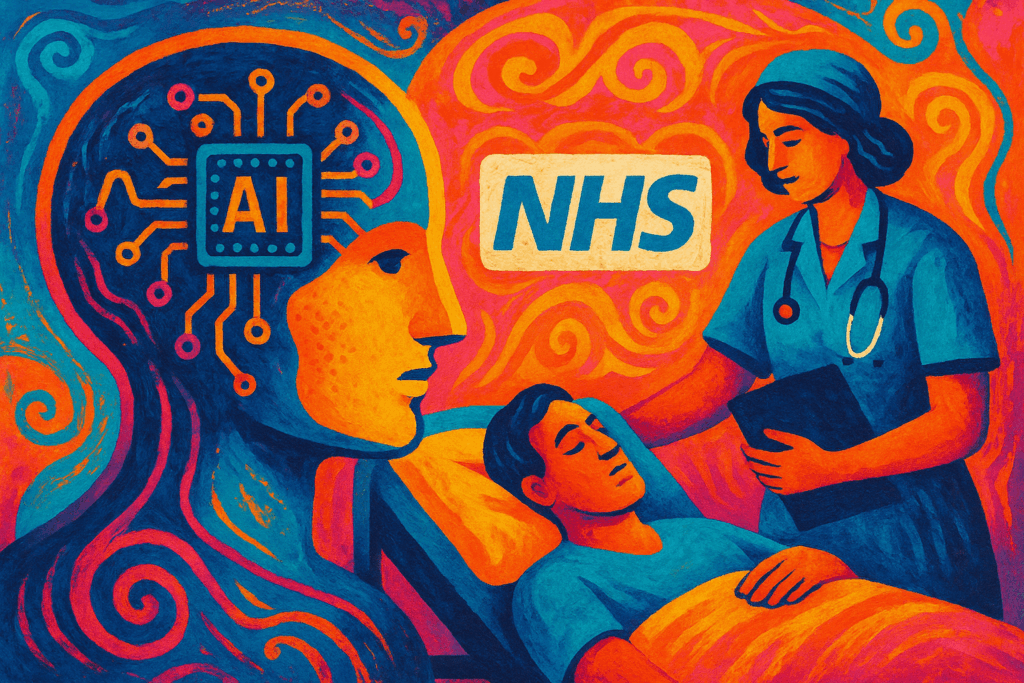

Federated AI Reshaping Diagnostic Imaging
Hospitals and imaging networks are adopting federated learning models that train AI across sites without centralizing patient images. The approach reduces data movement, respects privacy rules, and brings advanced diagnostic models into routine radiology workflows sooner. For clinicians and health system leaders, the change matters because it combines clinical-scale data diversity with practical deployment paths.
How It Works and Its Immediate Impact
Federated learning trains a shared model by exchanging model updates rather than raw images. Each site computes gradient updates on local imaging data and shares those encrypted updates to a coordinating server or peer network. The aggregator merges updates to produce an improved global model, which then returns to sites for further local refinement. Immediate benefits include access to broader anatomic and device variability without transferring protected health information, faster identification of critical findings through automated triage, and a shorter path from model development to live use.
Practical Applications and Future Trajectory
Current real-world uses include chest X-ray and CT triage, fracture detection, and workflow prioritization for emergency radiology. Health systems report fewer unread studies in high-acuity streams and better alignment of radiologist staffing to demand. Next steps involve standardized governance for model versioning, continuous monitoring for model drift, and tighter EHR and PACS integration so AI outputs appear naturally in clinician workflows. Key implementation hurdles are heterogeneous image protocols, variable labeling quality, and the need for clear regulatory and contractual frameworks for cross-site model sharing.
What This Means for Healthcare Insiders
Federated AI offers a pragmatic route to higher-performing diagnostic models while lowering legal and logistical barriers to data sharing. Clinical leaders should prioritize pilot partnerships that include IT, compliance, and radiology stakeholders, invest in ongoing validation pipelines, and plan for incremental rollouts that preserve clinician oversight and patient safety.