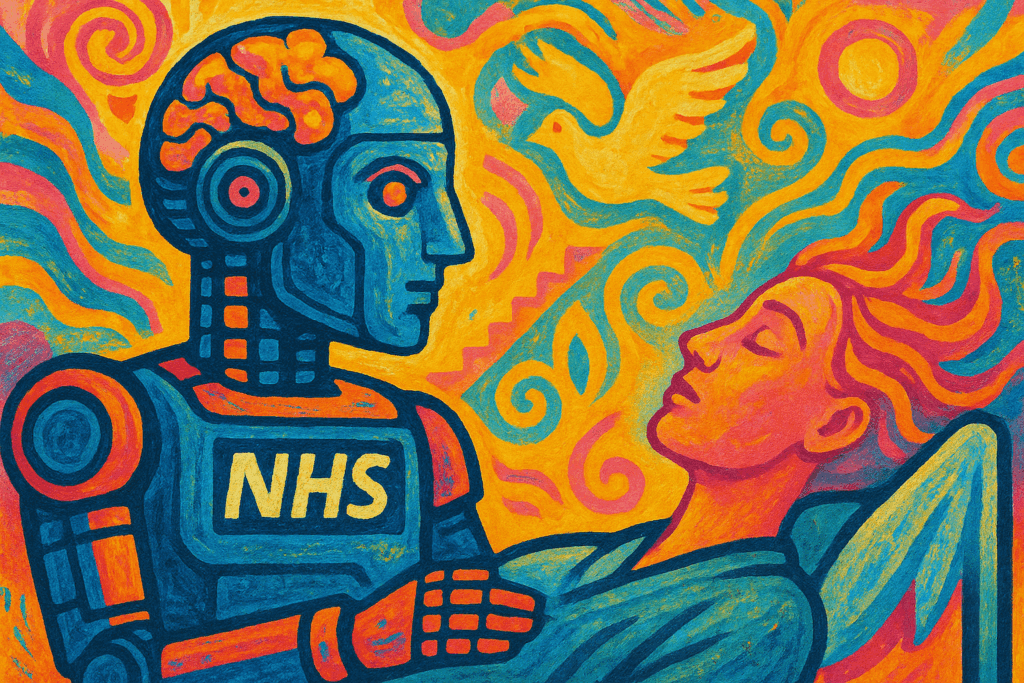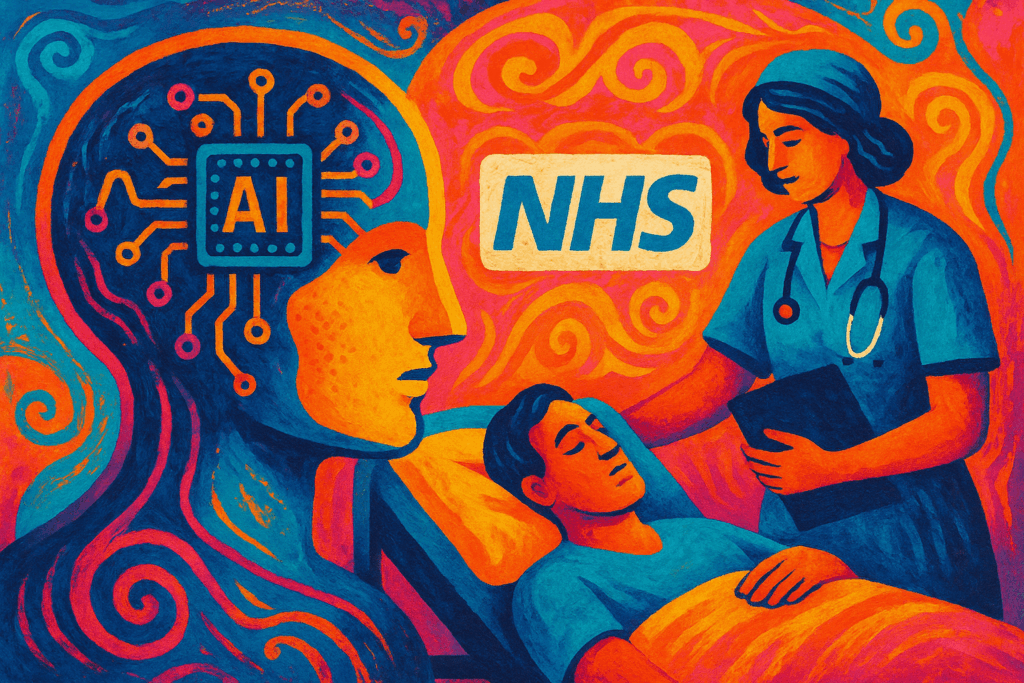

A recent UK survey of the public and NHS staff shows broad support for digital health tools alongside far greater caution about artificial intelligence. The findings highlight what matters most to people and clinicians: safety, accountable oversight and clear rules. These priorities should guide how AI is developed, tested and introduced across health services.
Public Perception: Cautious Optimism
Many people welcome digital services that save time and simplify care, such as the NHS App. But attitudes shift when the word AI appears. Respondents prioritise safety, human oversight and robust regulation over convenience or speed. Views vary by age, gender and socioeconomic background, with older adults and some lower-income groups typically more wary. Trust will depend on transparent evidence about accuracy, limitations and real-world outcomes.
Technology’s Promise vs AI’s Reserves
General technology is widely seen as helpful. AI is viewed more skeptically because it introduces complexity around decision-making, data use and accountability. To close that gap, developers and providers must communicate how AI systems reach conclusions, who is responsible for errors, and how patients retain control.
NHS Staff Insights: Growing Concerns Amid Support
Clinical staff express slightly higher confidence that technology can improve care, yet many report rising concern about potential harms. Frontline experience exposes system limits: workflow disruption, unclear governance and understaffed services can magnify risks. Staff want clear evidence, clinical validation and workflows that keep clinicians central to decisions.
Cultivating Confidence for AI Integration
Moving beyond caution requires practical steps: independent evaluation and clinical trials, transparent model reporting, mandatory human-in-the-loop safeguards, stronger regulation and post-market monitoring. Training for clinicians and accessible patient explanations will help build understanding. Equitable deployment and accountability frameworks must be part of rollout plans so benefits reach all communities. Viewed this way, public and staff caution becomes a roadmap for safer, more trustworthy AI in health care.