AI’s Promise in Heart Diagnostics
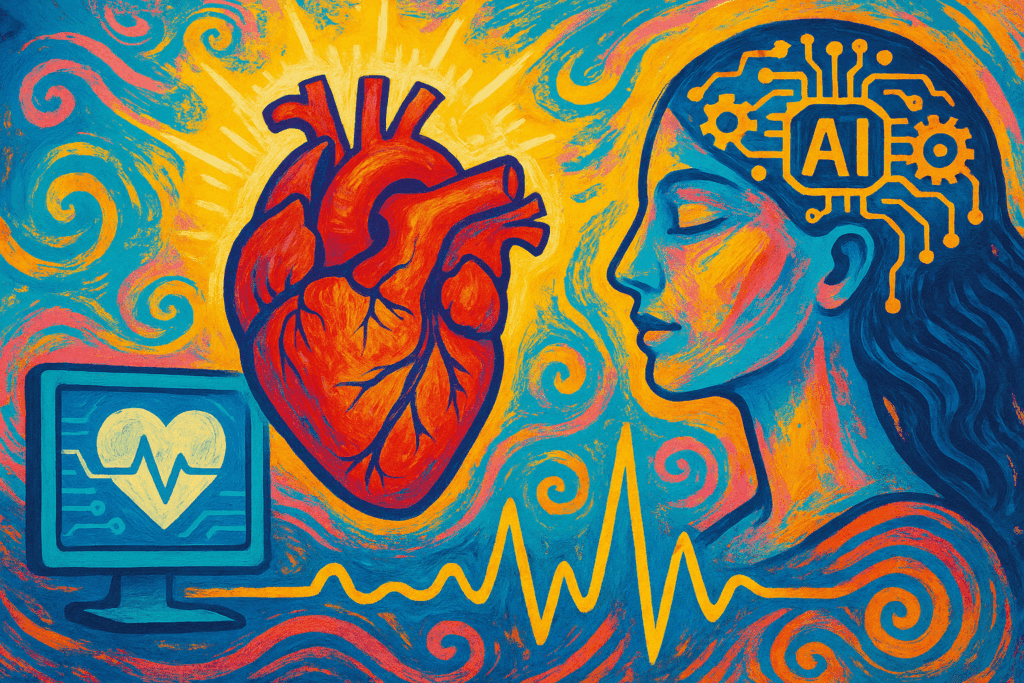
Structural heart disease (SHD) can progress quietly and present suddenly with life threatening complications. Traditional detection relies on echocardiography, which is accurate but time intensive and not always available when rapid decisions are needed. Artificial intelligence applied to standard electrocardiograms, or AI-ECG, offers a faster, low-cost screening layer that can flag patients who need urgent imaging or specialist referral.
Addressing Diagnostic Gaps with AI-ECG
Missed or delayed diagnosis of SHD stems from limited access to echocardiography, variable clinical suspicion, and high patient volumes in acute care. AI-ECG analyzes subtle waveform patterns that are invisible to the human eye and produces risk scores in seconds. That makes it suited for busy settings such as emergency departments where rapid triage decisions affect outcomes and resource use.
AI’s Impact: Spotting the Unseen
Studies and case reports show AI-ECG can identify patients with previously unrecognized severe valve disease, cardiomyopathies, or other structural abnormalities. In practice, AI-ECG does not replace echocardiography. Instead, it acts as a practical gatekeeper: a positive AI-ECG result prompts targeted imaging and specialist review, while a negative result can reduce unnecessary testing. Real world applications have led to timely interventions, including urgent referral for advanced therapies that might otherwise have been delayed.
The Future of AI in Cardiology
Prospective trials such as SAGE are evaluating AI-ECG performance and implementation in emergency settings. Broad adoption will depend on rigorous validation, integration into clinical workflows, and clinician oversight to manage false positives and maintain equity. If validated at scale, AI-ECG has the potential to make early detection more accessible across diverse hospitals, shorten time to treatment, and reduce preventable cardiovascular events.
For clinicians and health system leaders, AI-ECG offers a practical tool to improve detection pathways for SHD while preserving the central role of imaging and clinical judgment.