AI’s Proven Track Record: Accelerating Drug Discovery from Lab to Life
Drug discovery has long been slow, costly and uncertain. Over the past five years, artificial intelligence moved from promise to practice, delivering measurable gains in target selection, molecule design and trial planning. This article summarizes how AI is changing workflows today and what that means for patients and developers.
AI Reimagines Research & Development
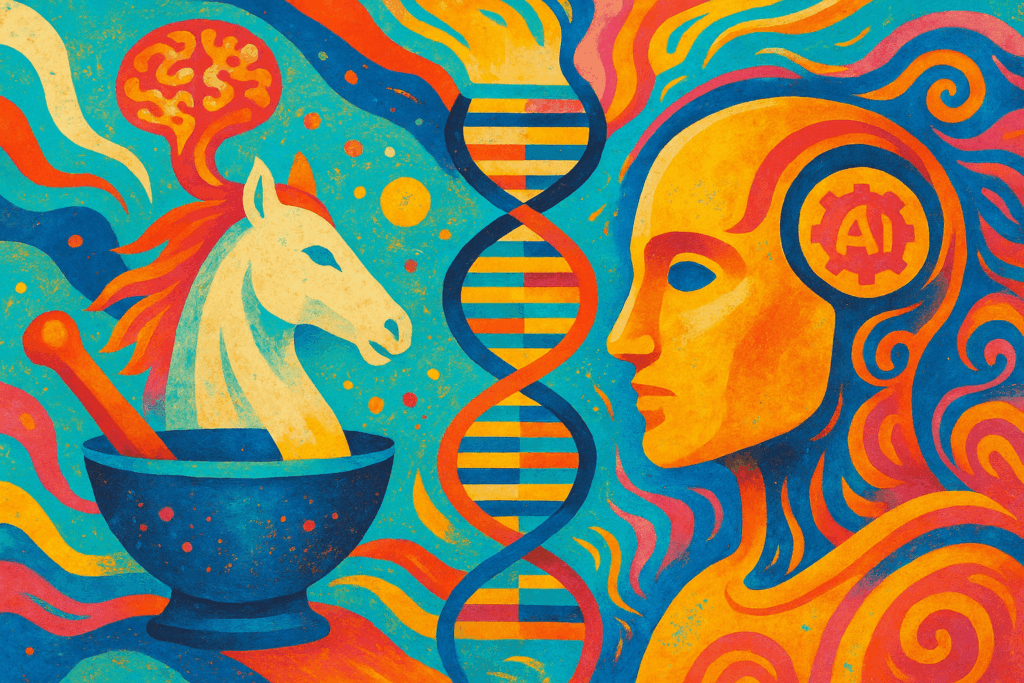
AI speeds discrete stages that historically consumed years. Protein structure prediction at scale, led by AlphaFold, unlocked structural insight for thousands of proteins and sped structure-based design. Machine learning models screen virtual libraries orders of magnitude faster than lab assays, helping teams prioritize high-probability hits. Generative algorithms propose novel chemotypes and optimize properties such as potency and solubility, cutting iterative cycles of synthesis and testing.
Tangible Outcomes and Future Paths
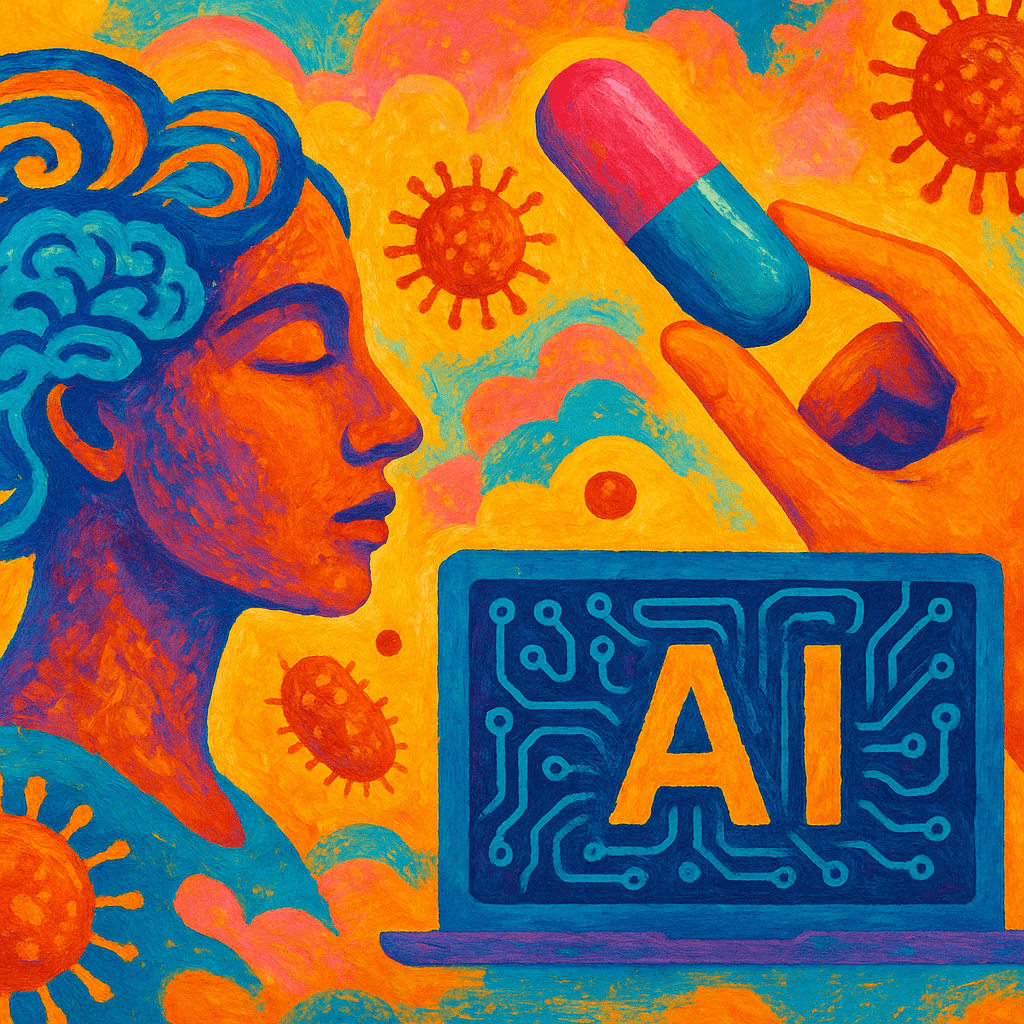
There are concrete examples: Exscientia reported early AI-designed molecules progressing into clinical trials. Insilico Medicine documented compressed design timelines for a target discovery project that previously took much longer. BenevolentAI used computational evidence to repurpose an approved drug for COVID-19, a recommendation that reached clinical evaluation. Biopharma partners now report months shaved off lead identification and more focused candidate selection, which lowers early-stage attrition and cost.
Looking ahead, integration of generative models with high-quality biological data and improved trial-prediction tools will push more AI-derived candidates into late-stage testing. Challenges remain, including data biases, model interpretability and regulatory alignment. Still, AI is already shifting where time and budget are spent in R&D, and that shift is translating into faster patient access to new therapies.
For decision-makers, the practical question is how to pair AI tools with domain expertise and robust data pipelines. When that combination is in place, AI becomes a productive engine in modern drug discovery rather than a remote promise.