AI Powers Breakthroughs in Biotech
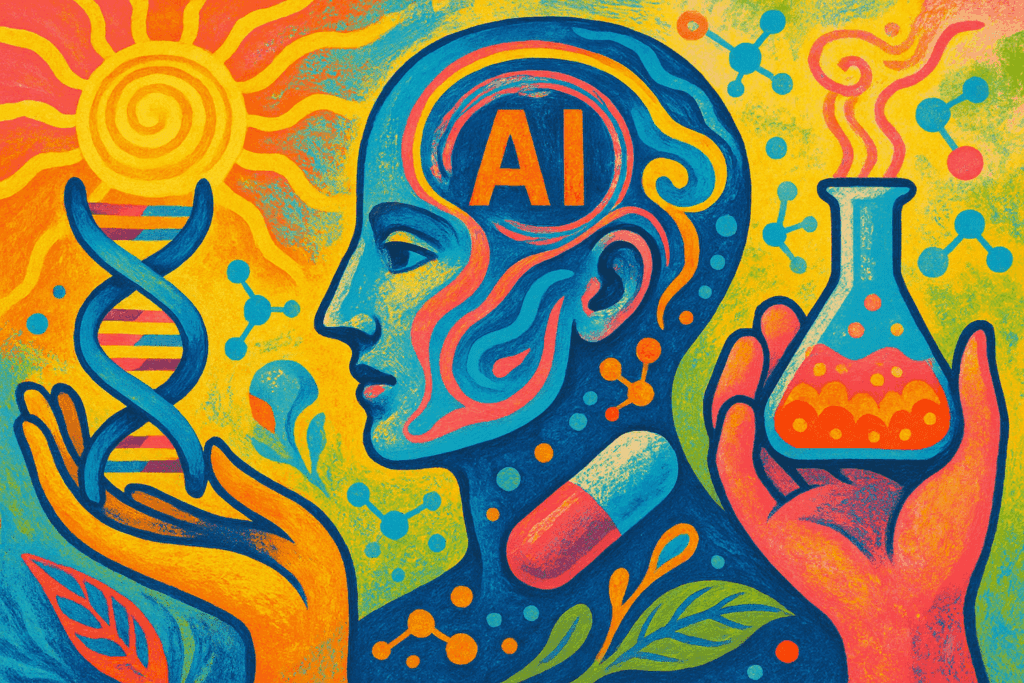
Artificial intelligence is compressing timelines that once took years. Machine learning models accelerate target identification, predict molecular properties, and generate novel chemistries that would be costly to discover through trial and error. Coupled with high-throughput screening and automation, AI moves promising candidates faster into preclinical studies, reducing the number of failed leads and lowering early R&D expense.
Investment Surges into Next-Gen Firms
Investors have poured billions into AI-first biotech startups building platforms for target discovery, generative design, protein engineering, and synthetic biology. Capital is attracted by firms that combine proprietary datasets, advanced models, and wet-lab integration to shorten discovery cycles. Funding supports both platform scale-up and translational work to prove clinical value.
Addressing R&D Challenges with AI
Traditional R&D faces slow hypothesis testing, high attrition and costly wet-lab bottlenecks. AI helps by prioritizing targets, predicting off-target effects, optimizing molecular properties for manufacturability, and suggesting better assay designs. In-silico screening lets teams triage vast chemical and sequence spaces before expensive experiments, improving productivity and lowering risk.
The Future Landscape of Programmable Biology
Programmable therapeutics means drugs and biologics designed with algorithmic rules: custom proteins, programmable RNA, and engineered cells that respond to patient-specific signals. Over time this approach could enable more precise, adaptable treatments that are tuned to an individual’s biology and disease state. Clinical deployment will depend on robust validation, manufacturing scale, and regulatory clarity.
Remaining Bottlenecks
Key challenges include limited high-quality labeled data, reproducibility between labs, model interpretability, and integration of AI workflows into regulated development paths. Compute costs and intellectual property questions add friction. Clinical validation remains the ultimate test; demonstrateable patient benefit will determine long-term impact.
AI has shifted biotech from hopeful experimentation toward a more data-driven, programmable future. Billions in funding reflect investor belief in that trajectory, but translating algorithms into approved therapies will require rigorous data stewardship, cross-disciplinary teams, and time.