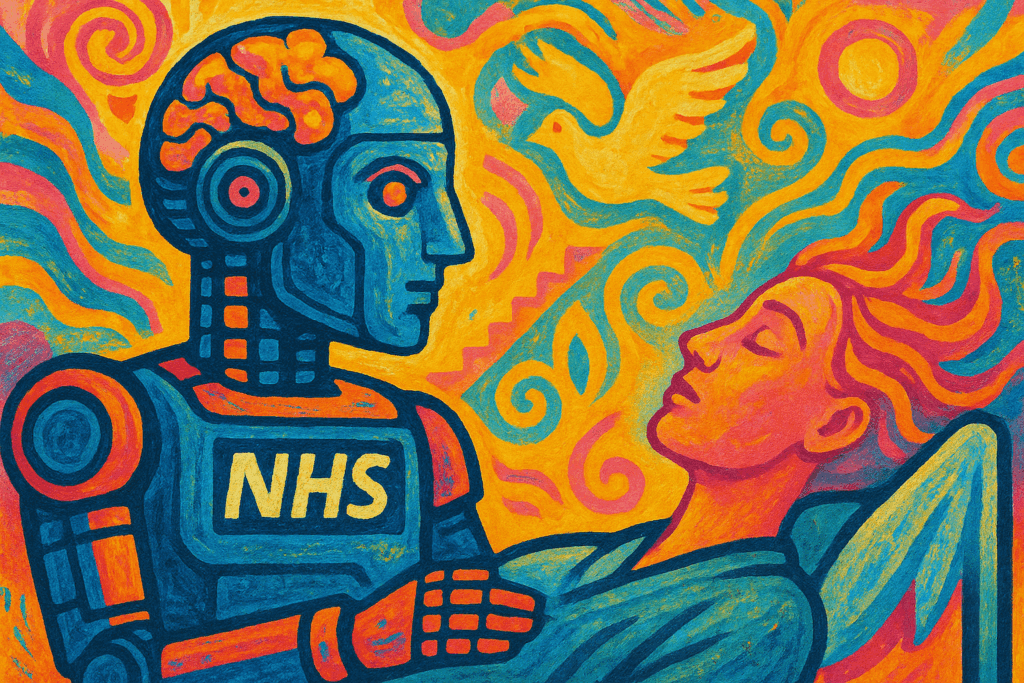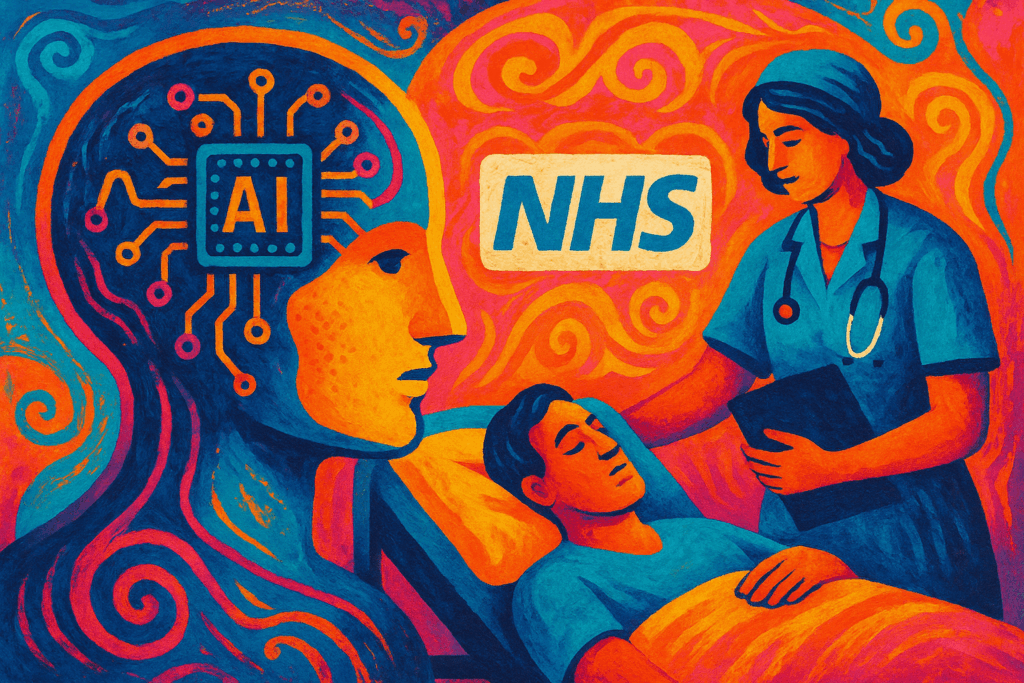

AI’s New Frontier: Transforming Early Diagnostics
Artificial intelligence is moving from experimental tools to practical systems that detect disease earlier and with greater accuracy than many traditional approaches. Across oncology, neurology and cardiology, machine learning is revealing subtle signals that precede symptoms, allowing clinicians to act sooner and more precisely.
How AI Pinpoints Health Risks Sooner
AI algorithms examine large, complex datasets that are difficult for humans to parse at scale. In imaging, convolutional neural networks can highlight tiny features on mammograms or CT scans that correlate with early tumor development. In genomics, pattern recognition models find circulating tumor DNA or expression signatures that identify cancer before clinical signs appear. Combined models also integrate electronic health records, ECGs and wearable sensors to predict cardiac events and neurodegenerative risk. The common thread is multimodal pattern detection: AI links disparate signals to identify risk profiles earlier than single-test screening can.
Impact on Patient Care and Clinical Practice
Earlier detection typically means less invasive treatment options, improved survival, and lower long-term costs. For clinicians, AI provides prioritization and decision support, reducing diagnostic delays and focusing specialist time where it matters most. Patients benefit from faster care pathways and personalized monitoring plans. Real world deployments are already shortening time to diagnosis in pilot programs and supporting triage in busy imaging services.
Next Steps for AI-Powered Detection
Wider adoption requires prospective validation, transparent model auditing, and robust strategies to reduce bias and protect patient privacy. Interoperability standards and clinician training will be essential so tools fit into existing workflows. Regulatory frameworks must balance speed of innovation with safety. With careful deployment and continued clinical evidence, AI will increasingly augment clinician judgment and shift the window for effective intervention earlier in disease courses.