The Diagnostic Revolution Underway
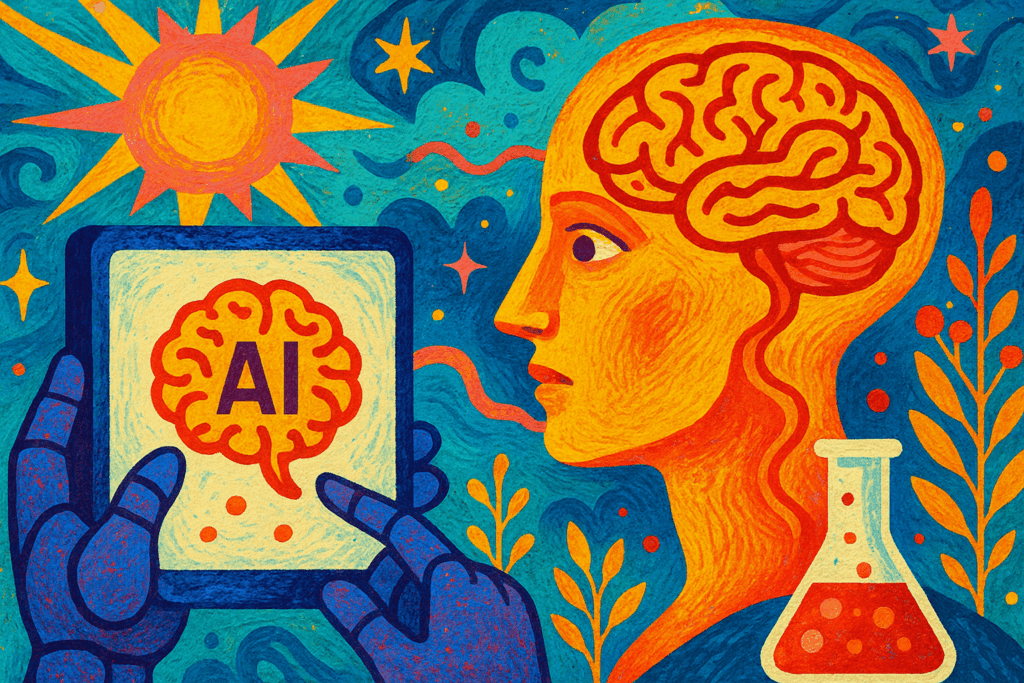
Artificial intelligence is moving from research labs into routine diagnostic practice. Machine learning models trained on large clinical datasets are supporting clinicians across radiology, pathology and ophthalmology. For busy healthcare teams, these tools help prioritize cases, surface subtle signals in images and flag patterns that might be missed during high-volume workflows.
Precision and Speed in Action
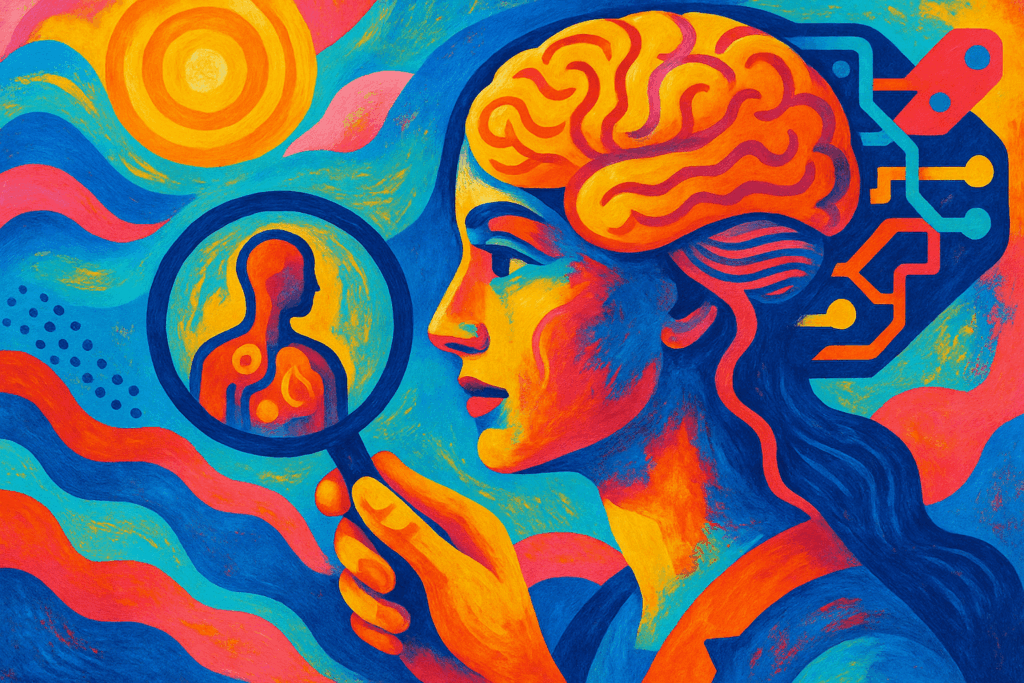
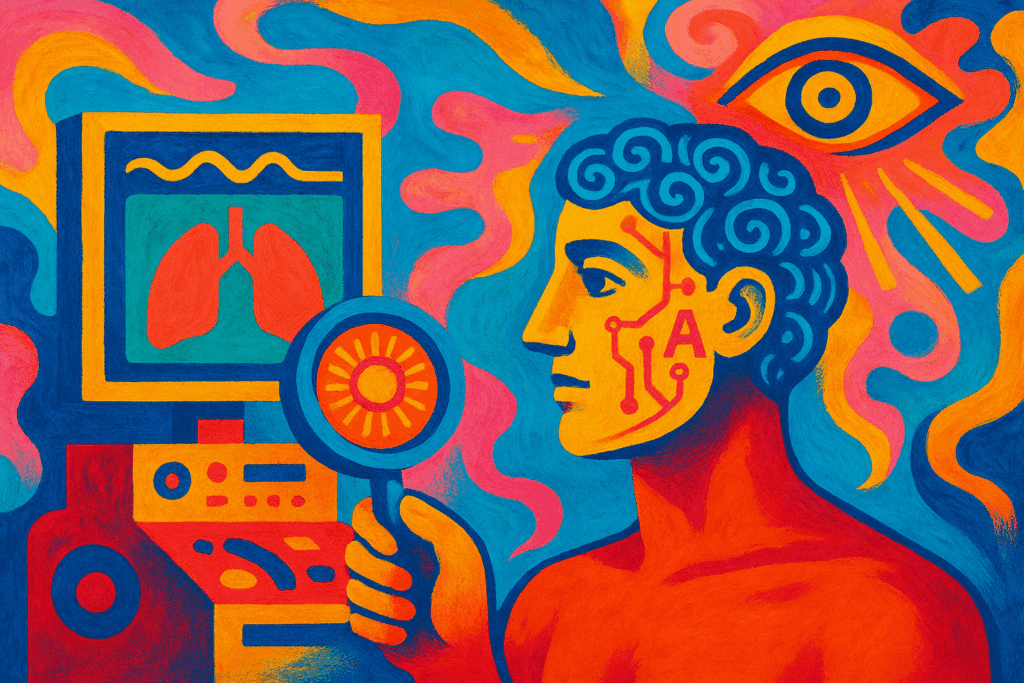
AI systems process imaging studies and histology slides far faster than manual review. In radiology, algorithms detect fractures, pulmonary nodules and signs of stroke; in pathology, they highlight regions of interest and quantify biomarkers. The result is shorter time to diagnosis and improved diagnostic precision, with fewer false negatives in many pilot studies. Rapid triage also means high-risk patients receive attention sooner, which can materially affect outcomes for conditions like cancer and acute infections.
From Labs to Clinics: Real-World Impact
Integration into clinical workflows is happening through decision-support panels, automated reporting and prioritization queues. Clinicians retain final responsibility while AI handles routine pattern recognition and data synthesis. Immediate benefits include reduced diagnostic backlog, more consistent readings across providers and better allocation of specialist time. For patients, this translates to faster treatment initiation and clearer communication about diagnostic confidence.
The Future of AI-Powered Diagnosis
Near-term trends include broader regulatory approvals, tighter integration with electronic health records and more emphasis on model explainability and validation across diverse populations. Adoption will depend on clinician training, reimbursement models and demonstrable gains in patient outcomes. Over the next few years, expect AI to augment diagnostic teams rather than replace them, shifting human effort toward complex decision making and patient-centered care.
For healthcare leaders and investors, the priority is practical deployment: select validated tools, measure impact on workflow and outcomes, and build feedback loops so models improve with local data.