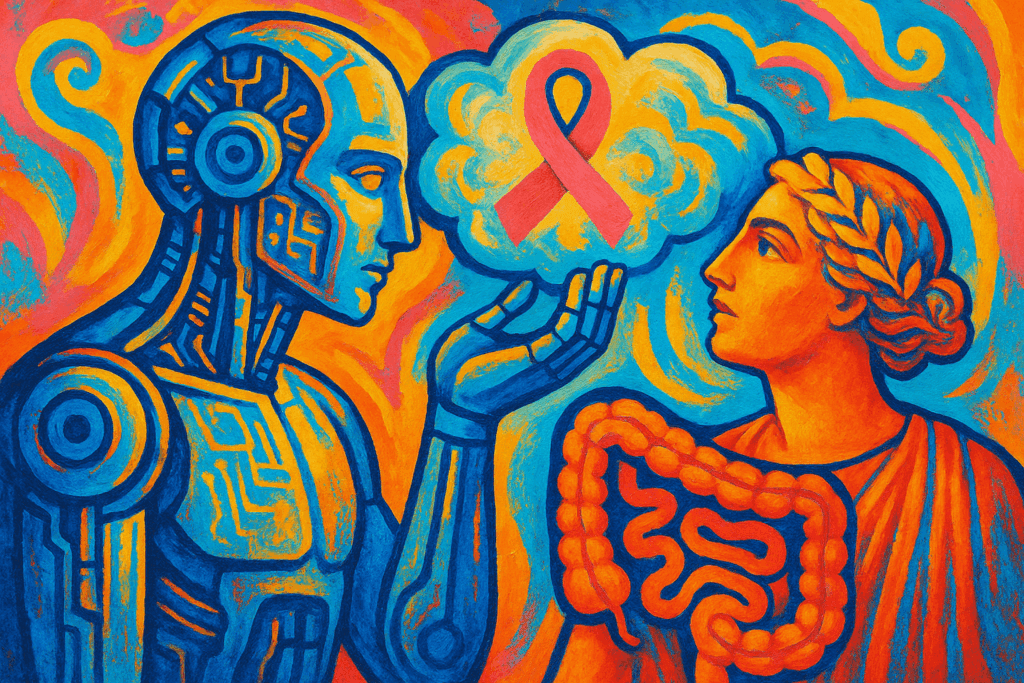
The application of artificial intelligence is reshaping early cancer detection by pairing stronger diagnostic tests with data-driven decision making. Recent moves to raise the sensitivity of the faecal immunochemical test for bowel cancer illustrate how improved tests and intelligent algorithms can work together to find disease sooner and reduce missed cases.
Precision Diagnostics: Advancements in Cancer Screening
Improvements to the FIT test have increased its ability to flag people who need further investigation. AI builds on that progress by integrating diverse data streams and spotting patterns that are difficult for humans to see. Machine learning models can combine FIT results with age, symptoms, prior screening history, genomics, and blood biomarkers to produce more accurate risk scores. In imaging, computer vision aids endoscopy and pathology by highlighting suspicious lesions and standardizing measurements across operators. That helps triage patients to colonoscopy or surveillance programs faster, lowers false negative rates, and supports more timely clinical decisions without adding unsustainable workload.
AI as a Catalyst for Health Equity
AI tools can deliver consistent diagnostic support across regions with different resource levels. Automated analysis and cloud-based reporting let clinics without specialist teams access high-quality interpretation, while decision-support prompts can reduce regional variation in referral thresholds. To translate potential into better outcomes, models must be trained on representative populations and subject to transparent evaluation. With targeted deployment, AI can prioritize screening outreach in underserved communities, shorten waits for confirmatory tests, and allocate limited diagnostic capacity more fairly, narrowing gaps in cancer detection and survival.
Shaping the Future of Proactive Healthcare
When combined with validated clinical pathways and sound governance, AI-driven tools make screening more proactive and personal. The next step for health systems is strategic digital integration, ongoing validation in real-world settings, and clinician training so these technologies move from pilot projects into routine practice. That approach promises earlier diagnoses, more efficient use of resources, and improved patient outcomes at scale.